JetBlue Expands Upgrades as Creditors Prepare for a Restructuring
JetBlue's creditors have hired PJT Partners and Akin Gump. Holders of $2B in 2031 bonds and a $742M first-lien loan are involved, and the stock closed at $2.65, an all-time low. A Chapter 11 filing would put prepaid tickets and TrueBlue balances at risk. Advisors with corporate clients on JetBlue should review rebooking and refund exposure now.
The airline is also changing its premium product. From December 2026, Mosaic members and JetBlue Premier cardholders get unlimited space-available BlueFirst upgrades, clearing 60 minutes before departure. Mint upgrade certificates become Premium Upgrade Certificates usable for BlueFirst. United MileagePlus Premier members are excluded.
The benefits are real for frequent flyers, but they are only worth what the carrier is still flying. Pair any sales push with a contingency plan for travelers holding prepaid fares.
Delta Cuts Detroit–Iceland and Trails Rivals Across the Pacific
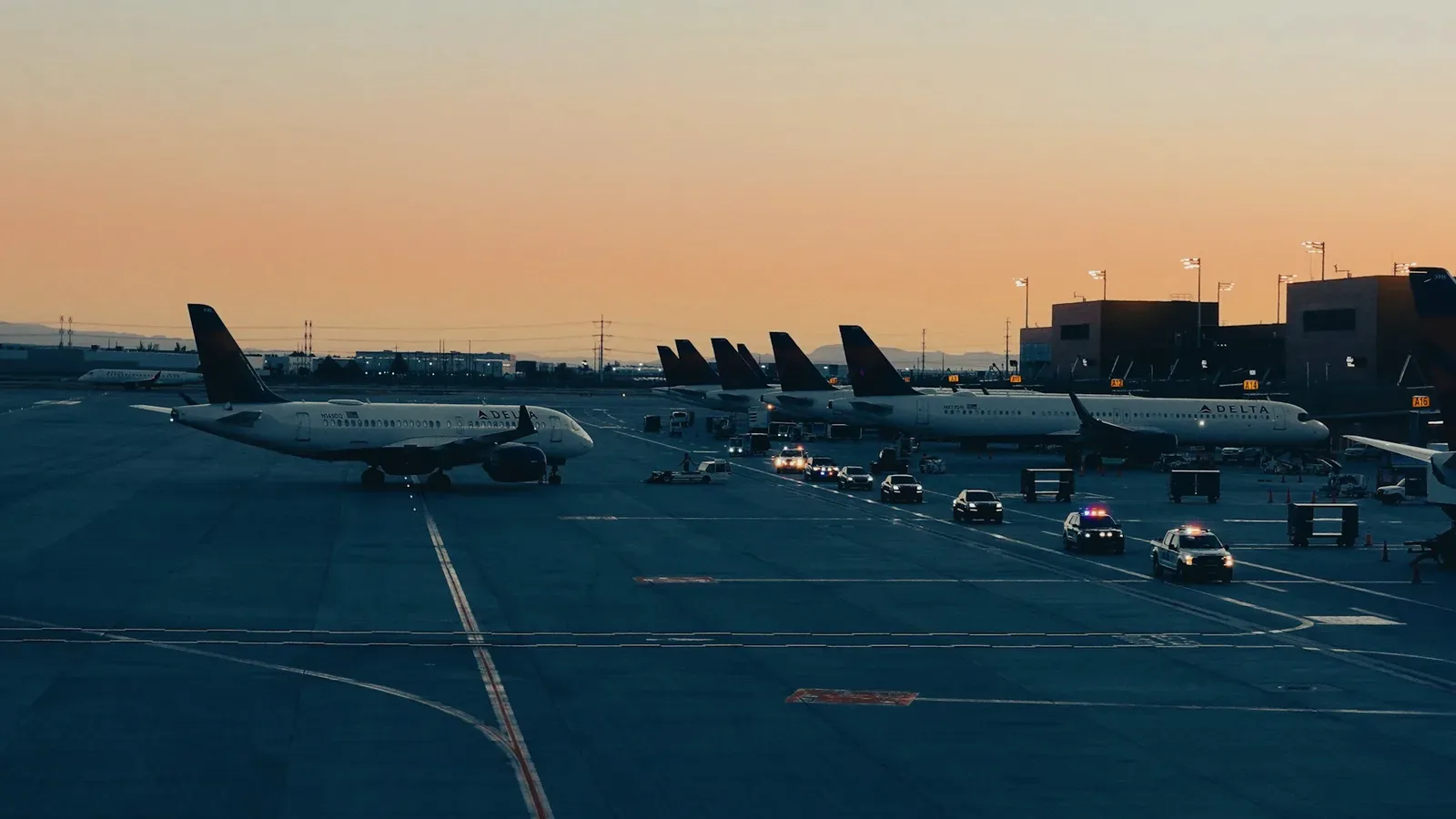
Delta has dropped Detroit–Reykjavik and moved its Iceland flying to Boston. It did this after Icelandair left Detroit, and Detroit now has no Iceland service. The pattern also puts Delta's Minneapolis–Dublin route in question once Aer Lingus leaves at the end of the 2026 season. Routes at Delta hubs can shrink once a competitor exits, so fares and options may shift.
On the Pacific, Delta's Q3 capacity rose 8% against 5% PRASM growth. United and American managed roughly 11%. That raises fare and capacity discipline questions on new Delta transpacific routes. Weigh that when steering corporate programs toward Delta and the Korean Air joint venture, and keep alternatives priced.
FAA Fines Air France and KLM Over Delta-Coded Flights Near Iraq
The US fined Air France ($105K) and KLM ($320K) for flying more than 130 Delta-coded flights below 32,000 ft in FAA-prohibited Baghdad FIR airspace. US carrier safety rules and enforcement reach foreign-operated codeshares.
That is relevant to duty-of-care and risk-policy discussions with corporate clients. A booking under a Delta code may be flown by a partner, and the route may cross conflict-zone airspace. Advisors should know which carrier operates the flight and ask whether a client's risk policy covers overflight exposure.
Lufthansa Renames Green Fares as Impact Fares After Ruling
Lufthansa Group lost a greenwashing lawsuit and is rebranding Green Fares as Impact Fares. The fare keeps bonus miles and flexible rebooking. What changes is how its SAF and offset contribution is described.
Corporate travel managers who count Green Fares toward sustainability reporting should check the revised claims before the next reporting cycle. Advisors should confirm that the new wording still supports whatever the client reports.
Accor and UAE Hoteliers Flag Caution, Softer Rates Likely
Accor is building caution into its guidance for France, which is 23% of room revenue, and the Middle East, about 11%. UAE hoteliers say high jet fuel costs deter long-haul guests. They are pivoting to Indian, Chinese and Russian demand.
For North American corporate buyers, that suggests softer Dubai rates alongside continued disruption risk. It also gives buyers more negotiating leverage on RFPs in these markets. Keep flexible terms in any agreement signed now.
Southeast Asian Haze Threatens November Trips
Haze is hitting Malaysia, Singapore and Indonesia ahead of November travel. Inbound operators report November cancellations, and Indonesia has logged more than 2,600 disrupted domestic flights.
Advisors with clients booked in Kuala Lumpur, Singapore or Jakarta should check fare and hotel flexibility now, and review duty-of-care policies for travelers with respiratory conditions.
Seattle Board Votes October 27 on Chase Lounge
The Port of Seattle commission votes on October 27 on a 16,000 sq ft Chase lounge that would pay $135M in rent. Airport data show 47% of lounge users pick flights based on lounge access.
The outcome shows how airport boards may treat card-funded premium lounge expansion at SEA. If approved, it could influence routing choices for clients who value lounge access.
41% of US Travelers Keep Shopping Hotel Rates After Booking
Skift and McKinsey data show 41% of US travelers keep shopping hotel prices after booking. 51% have changed accommodation after seeing a better option on social media.
That raises the cost of loose cancellation terms for suppliers. It also strengthens the advisor case for monitoring and rebooking rates, which is a concrete argument for managed booking in client conversations.