Trafalgar's 2027 portfolio goes live on TAP; Insight and Costsaver stay bookable through March
Trafalgar's expanded 2027 range, covering saver, classic and premium tiers, has been searchable and bookable on the TTC Travel Advisor Portal (agents.ttc.com) since Oct. 6, with Trafalgar as the selling brand.
The transition rules are the part to get right. Departures through March 31, 2027 still need to be booked under Insight Vacations or Costsaver. Trafalgar's new saver and premium trips only begin operating April 1, 2027.
For advisors, the practical work is choosing the correct brand and booking path by travel date. It also means comparing value tiers across the former Insight and Costsaver lines against the new Trafalgar tiers, rather than assuming the products map one to one. Check each itinerary's operating dates before quoting.
DOT rule narrowing airline-fault disruptions takes effect Oct. 19
A U.S. DOT rule taking effect Oct. 19 narrows which delays and cancellations count as the airline's fault. Fewer disruptions will trigger airline-paid meals and hotels, so more travelers may cover those costs themselves.
This matters for holiday-season packaged and escorted clients, who often have fixed tour start dates and limited slack. It strengthens the case for travel insurance. It also supports building flight buffers into pre- and post-tour plans, so a missed connection does not cost a client the first days of a departure.
Advisors should raise coverage before Oct. 19 bookings are finalized, and note it in client documentation.
Himalayan avalanche and floods put autumn trekking departures under scrutiny
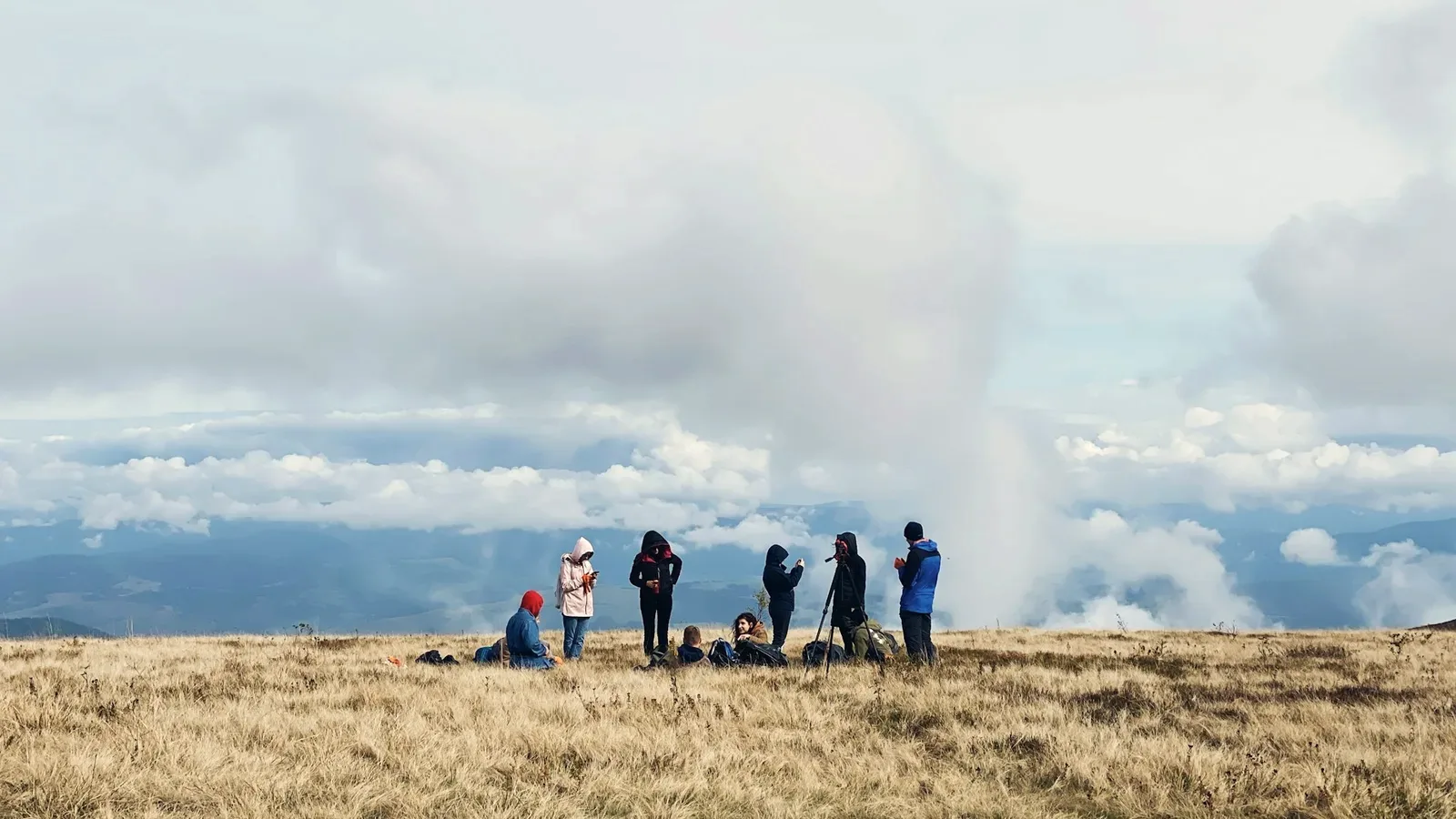
Fifteen people died in a Sept. 27 avalanche in Manang, Nepal. That followed August flooding in the Langtang region that killed more than 1,400 people. Operators including Intrepid are changing how they approach climate risk as peak trekking season begins.
Advisors with Nepal, Tibet or wider Himalaya clients on autumn departures should ask suppliers about cancellation, rerouting and safety policies now. They should also confirm that clients' insurance covers the relevant risks, including trekking at altitude and weather-related cancellations.
The issue is regionally narrow, but it bears directly on in-season group availability and client protection.