Middle East advisories return, and the fuel bill is already visible
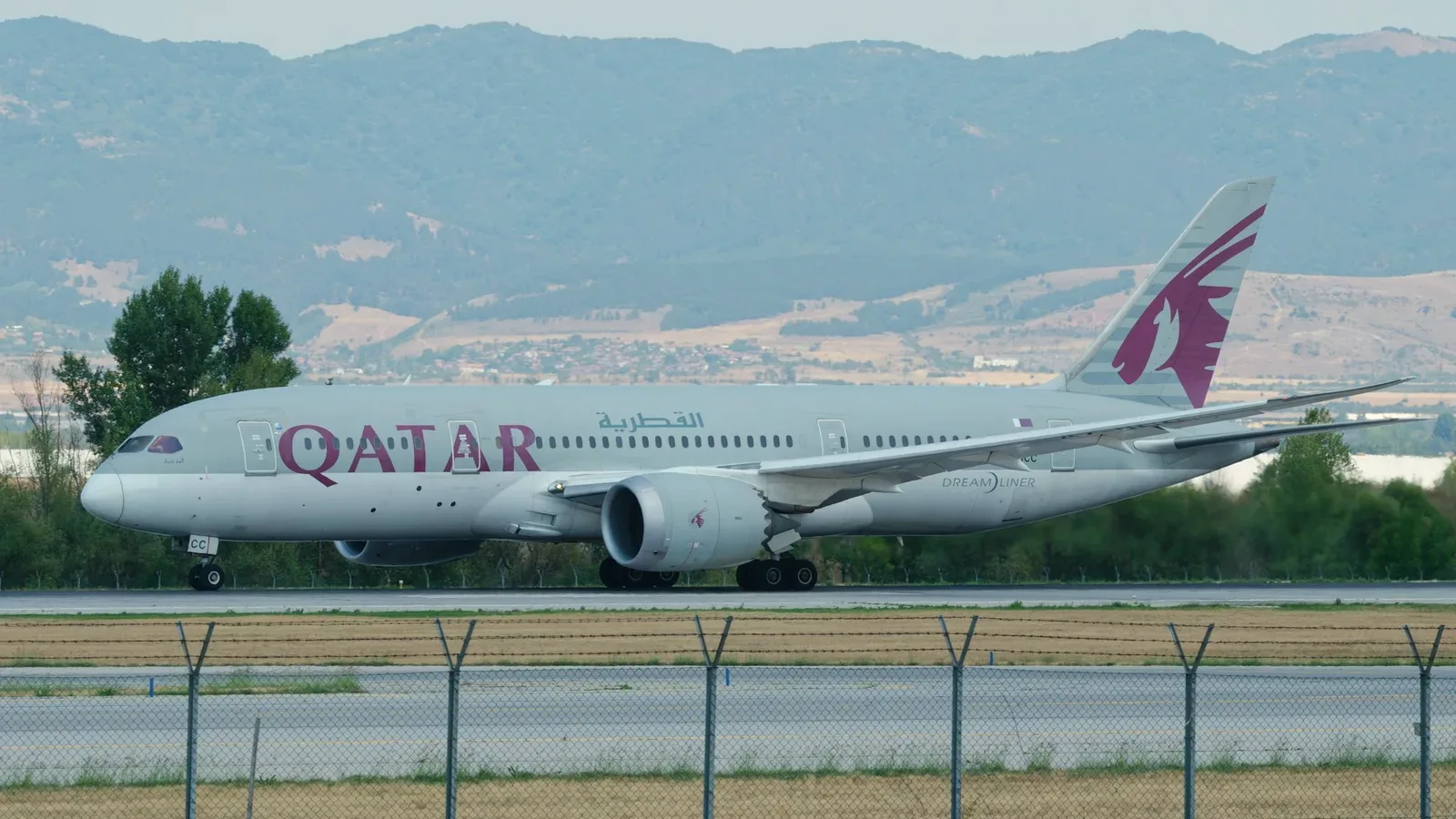
Ceasefire talks in the Gulf have collapsed, and the advisory regime has snapped back with them. The US, UK, Canada, Australia and New Zealand have all raised or reinstated Level 3+ advisories for the UAE, Saudi Arabia, Bahrain, Kuwait, Qatar and Oman within days of each other, triggering duty-of-care reviews and trip-approval holds across corporate T&E policies even as carriers dangle fare sales and easier visas to keep bookings moving. The cost side is already showing up in earnings: IndiGo, India's largest carrier, swung to a $24.5 million net loss last quarter as fuel costs per seat kilometer jumped roughly 80% on the flare-up, even after pushing fares up 21.3% year over year. IndiGo is now guiding to unit revenue growth above 25% next quarter — a sign that Middle East and India-linked corporate fares are headed higher regardless of how capacity shakes out. Treat this as a live policy trigger, not background noise.
American grows capacity into a profit warning
American posted record $16.7 billion Q2 revenue but profit fell 88% year over year to $71 million, and the airline is now guiding to a possible full-year loss for 2026 — even after offsetting roughly half its fuel-cost increase with higher fares. Wall Street isn't reassured: American is raising Q3 capacity 3-5% while Delta and United pull back, and analysts are openly asking whether it should be shrinking its network or premium widebody exposure instead of growing it. On the ground, that growth shows up as 12 new destinations this quarter, taking American to 361 airports, including new-to-airline markets like Vero Beach and Staunton/Waynesboro alongside returning US routes. One notable cut in the mix: Doha, dropped as Middle East advisories tighten. For advisors, the combination is a caution flag — capacity additions are real, but so is the earnings pressure that could force a reversal.
IATA picks an outsider to run the body that sets your settlement rules
IATA has picked Saadia Zahidi, currently a managing director at the World Economic Forum, as its next director general — skipping the airline-veteran shortlist entirely. She succeeds Willie Walsh on November 1; Walsh departs August 3 to become IndiGo's CEO. Zahidi's appointment as the first woman to lead IATA matters less for the symbolism than for what it signals: a non-airline background running the body that sets BSP settlement rules, NDC distribution standards, and much of the regulatory posture agencies negotiate against daily. Advisors won't feel this immediately, but a fresh voice from outside the industry atop IATA is worth watching for shifts in settlement and distribution policy over the coming year, especially with Walsh simultaneously moving to lead one of IATA's own member carriers.
United makes its co-brand card close to mandatory
United has quietly cut how many miles non-cardholders earn per dollar spent — General members drop from 5 to 3 miles per dollar — while boosting earning rates and award discounts for United co-brand cardholders. Basic economy fares now earn zero miles at all for flyers without a United credit card. The practical effect is that a United co-brand card, previously a nice-to-have, is close to mandatory for corporate travelers who want their MileagePlus balances to hold value. United has extended its Business Card's 110,000-point offer alongside the change, effectively pointing frequent flyers toward the workaround it just created. Advisors managing programs with heavy United exposure should flag this now: employees flying United on the company's dime but without the co-brand card are about to see a real, quantifiable drop in loyalty earnings.
Southwest goes premium — but read the earnings fine print
Southwest CEO Bob Jordan has confirmed what's been rumored for months: airport lounges are coming, with leases signed in Austin, Dallas, Nashville, Denver and Honolulu, alongside a new premium co-brand card carrying a $395-$650 annual fee and possible Priority Pass access. It's a real pivot for a carrier advisors have long booked as the no-frills option. But the numbers behind Southwest's other big claim — that new bag and seat fees are driving a turnaround — don't hold up cleanly. Strip out fuel and industry-wide trends, and Southwest's revenue beat peers by only about $77 million, with adjusted results propped up by a $285 million flight-credit accounting change and an estimated $200-300 million lift from its revised Chase co-brand deal. The fee revenue advisors' clients are now paying isn't what's carrying the results — file the lounge news as directional and the earnings framing with some skepticism.
Hilton and Marriott eye a corporate travel tie-up
Hilton and Marriott are reportedly exploring new connections specifically framed around corporate travel programs — early-stage, but notable given these are the two largest hotel groups advisors negotiate corporate rates with. Public detail is thin so far, but any interoperability on booking tools, rate access, or loyalty crediting between the two would reshape how corporate hotel programs are structured across their combined portfolios, which together cover a large share of negotiated corporate hotel spend. Worth flagging to clients now, even without a signed deal: if Hilton and Marriott do move on this, the impact on RFP strategy and preferred-property lists would be immediate. Advisors should watch for follow-up reporting rather than act on it yet.
EU fines Google $525M over buried travel search results
The EU has fined Google $525 million for burying travel rivals — including Trivago and Expedia-backed comparison tools — beneath its own shopping, hotel and flight products in search results, a violation of the Digital Markets Act. The ruling could force changes to how flight and hotel comparison results surface for European searches, which matters for advisors whose clients often start fare research on Google before reaching a booking tool. It's not an immediate operational change, but it signals European regulators are willing to intervene directly in how travel search and price comparison work, with knock-on effects for distribution and visibility that could play out over the next several quarters.
New business-class suite doors, locked open by regulation
KLM, Lufthansa, United, American and JetBlue have all had to disable or lock open the privacy doors on newly delivered business-class suites because FAA and EASA certification rules haven't caught up with door-equipped cabin designs. It isn't a one-airline glitch — it's a shared regulatory gap affecting premium cabins across five major carriers at once. For corporate travelers sold on enclosed-suite privacy as a reason to book or upgrade into these products, the reality on board right now may not match the marketing. Advisors setting expectations for clients flying these aircraft should note that door privacy isn't guaranteed until certification catches up, with no firm timeline yet from regulators.