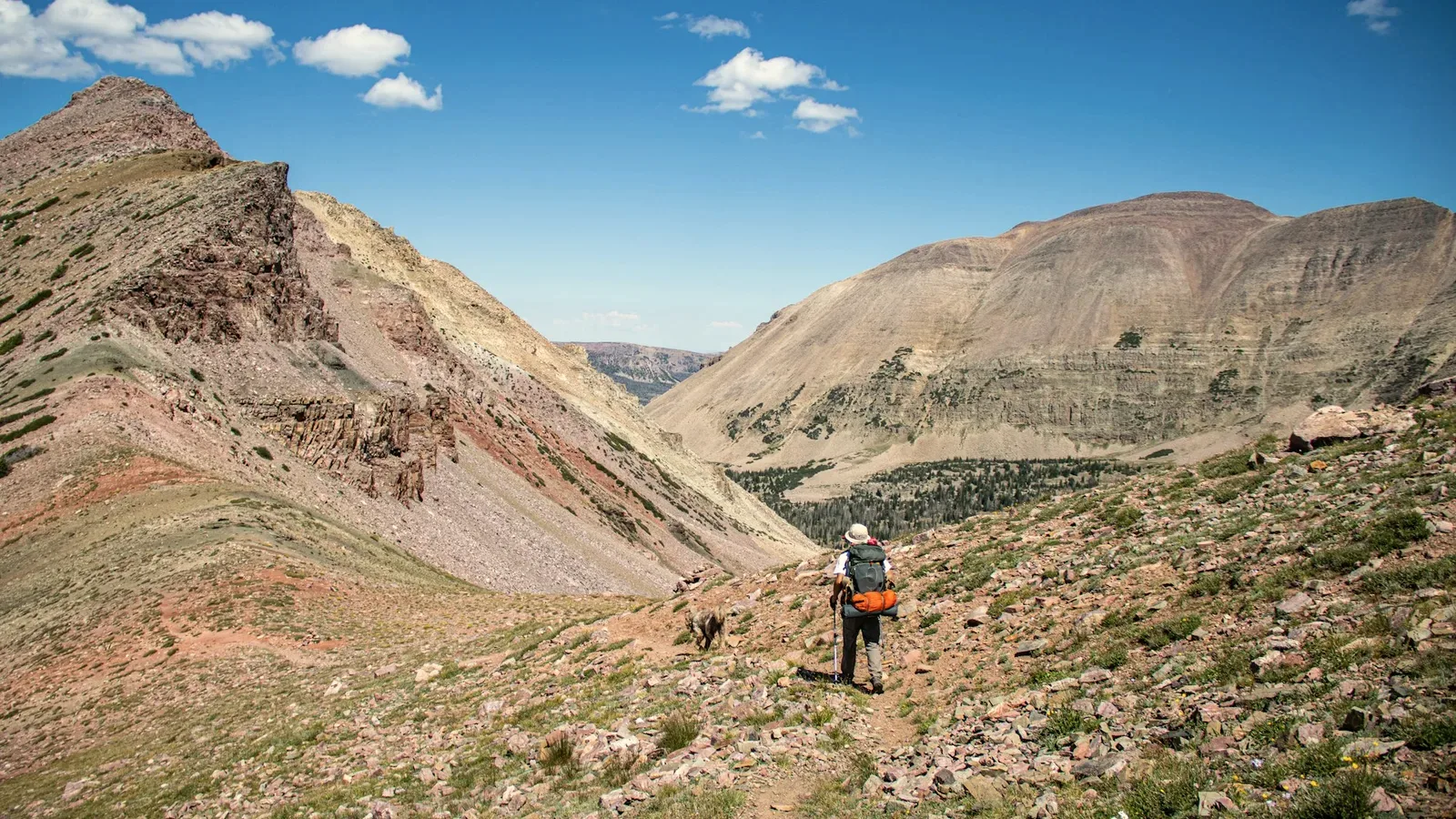
Broad Peak Avalanche Kills Purja and Nine Others; Recovery Continues Under Fire
Nirmal Purja, founder of Elite Exped and one of high-altitude mountaineering's most recognizable guides, was among ten climbers killed in an avalanche on Broad Peak in Pakistan's Karakoram. Recovery teams led by veteran climber Mingma G are pushing to bring Purja's body down despite serac and avalanche danger serious enough that rescuers have debated abandoning the attempt. Nearby, commercial teams kept pushing for summits on Gasherbrum I even as the scale of the disaster became clear, drawing criticism over risk tolerance across the industry. For advisors selling 8,000m expeditions through operators like Elite Exped, Seven Summit Treks, and Imagine Nepal, this is the season's defining safety story. Expect clients booking Karakoram departures to ask harder questions about guide ratios, evacuation insurance, and weather-call protocols, and expect operators to face pressure to publish revised safety statements before the next commercial season opens.
Intrepid Widens 18-35s Range as Youth Bookings Surge
Intrepid Travel is expanding its 18-35s trip range in direct response to a booking surge in the segment, adding departures aimed at the young-adult travelers who have been driving growth across small-group adventure. It's a concrete demand signal from one of the category's largest operators, not just a marketing push — Intrepid is building supply because existing 18-35s departures are filling. For advisors, that cuts two ways: it's a commissionable opportunity in a segment with strong repeat-booking potential, and it's a leading indicator of where adventure demand is concentrating heading into next year's planning cycles. Advisors working this age bracket should get ahead of the expanded range now, before the newest and most in-demand departures tighten on availability, and should flag the expansion to clients who've previously been steered toward pricier or less youth-oriented small-group products.
G Adventures Data Makes the Case for Selling 'Deadzoning'
New G Adventures survey data shows travelers increasingly booking trips specifically to disconnect: 66% cite relaxation and 46% cite escaping work as top motivators, and more than a quarter of 25-30 year-olds now prioritize signal-free itineraries outright — part of a wider 'deadzoning' trend. The operator is pointing clients toward specific product built around limited connectivity: Amazon jungle stays, a Thailand hilltribes trek, Antarctica sailings, Patagonia treks, and Namibia overland routes. The useful shift for advisors is reframing: poor signal, long treated as a drawback to manage around, is now a sellable feature. That gives advisors a ready shortlist to pitch to burned-out professional clients explicitly asking to be unreachable, and a data point to justify steering them toward remote, low-connectivity itineraries rather than the polished, Wi-Fi-equipped alternatives.
UK Car-Free Camping Searches Jump Over 1,000%
Searches for UK campsites reachable by public transport rose 1,127% year over year, according to PitchUp.com, as falling car ownership and rising fuel and insurance costs push travelers toward transit-accessible sites. It's a narrow data point but a fast-moving one, and it tracks a broader sustainable-travel shift that advisors selling UK soft-adventure and camping itineraries should factor into how they choose supplier partners — prioritizing campsites with direct rail or bus links over those that assume a hire car. Operators and campsite networks that market transport access clearly stand to capture a growing share of car-free clients. Advisors sourcing UK camping product should start asking suppliers about transit links as a matter of course, rather than treating it as a niche request.