Middle East Flare-Up Forces Advisory Resets and Fare Hikes
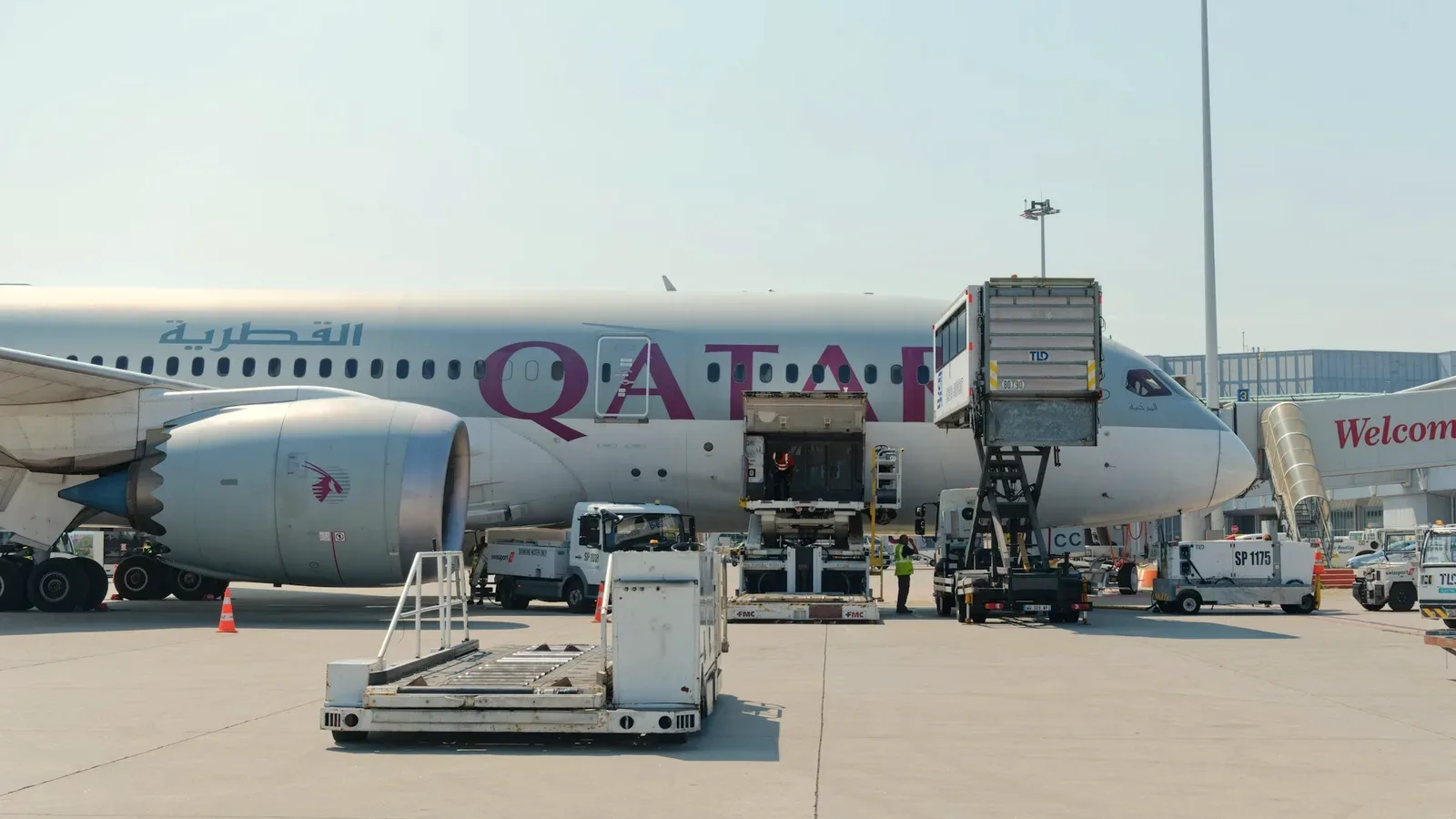
The Middle East flare-up escalating over the past week has triggered a wave of reinstated Level 3 travel advisories from the US, UK, Canada, Australia and New Zealand covering the UAE, Saudi Arabia, Oman, Jordan, Bahrain, Kuwait and Qatar, reversing last month's easing and forcing corporate duty-of-care policies back into restrict-or-approve mode for the region. Gulf destinations are countering with fare sales and eased visa rules to protect occupancy, but the compliance trigger for corporate travel managers is immediate. The same flare-up is already showing up in ticket prices: IndiGo posted a $24.5 million net loss despite raising yields 21.3% year-over-year, as fuel cost per available seat kilometer jumped roughly 80%. For advisors booking through or around the Gulf, expect both tighter approval workflows and higher fares on affected routings until the situation stabilizes.
American Grows Capacity While Rivals Cut — and Profit Craters
American Airlines is running against the grain of its network peers, growing Q2 capacity 5.4% and guiding to 3-5% growth in Q3 even as Delta and United trim seats to defend fares. The divergence hasn't paid off: American offset only half its higher fuel costs with fare increases, net income fell 88% to $71 million, and management now expects the airline to lose money for full-year 2026. Wall Street is unconvinced by the turnaround narrative and is pressing executives to shrink the network rather than keep adding capacity. For advisors, the near-term signal is more American inventory and potentially softer fares on its routes while rivals hold capacity tight — but a pullback isn't off the table if pricing pressure continues into Q3 earnings.
United Guts MileagePlus Earning for Non-Cardholders
United has quietly rewritten MileagePlus economics for anyone without a United co-brand card: non-cardholders now earn 2 fewer points per dollar, lose mileage earning entirely on basic economy fares, and are shut out of new 10-15% redemption discounts reserved for cardholders. Cardholder earning went up as the non-cardholder rate came down. For corporate accounts and travelers who fly United without holding the card, this is an immediate, dated devaluation of program value — full MileagePlus value now effectively requires a co-brand card. Advisors should flag this to clients whose T&E programs route United bookings through cards outside the United family, since the gap between cardholder and non-cardholder value has widened materially and will show up directly in redemption costs going forward.
IATA Breaks Tradition, Picks a Non-Airline Chief
IATA has picked World Economic Forum executive Saadia Zahidi as its next director general, breaking two decades of tradition by choosing a leader with no airline operating background over veteran industry candidates. Zahidi succeeds Willie Walsh on November 1; Walsh departs earlier, taking over as IndiGo's CEO on August 3. The choice signals IATA may lean further into policy and multilateral engagement rather than pure airline advocacy — worth watching for advisors on distribution, settlement and regulatory issues where IATA represents carrier interests. It's a leadership change at the top of the body that sets industry-wide standards touching GDS and ticketing workflows advisors rely on, even if the practical effects won't be visible for months.
Southwest's Lounges Are Coming — But the Growth Story Is Chase's
Southwest CEO Bob Jordan confirmed the airline is signing airport lounge leases — Austin, Dallas, Nashville, Denver and Honolulu already identified — tied to a new premium co-brand card expected to price between $395 and $650 annually. But the Q2 numbers behind the announcement tell a more specific story: revenue growth beyond industry trends is coming almost entirely from Chase card economics, not the new bag and seat fees Southwest has publicized as its turnaround driver. Southwest also revised its travel-credit expiration assumption down from 15% to 12%, meaning fewer client credits go unused than the airline had been booking. Advisors should treat the lounge and card rollout as a product to watch, while reading Southwest's fee narrative with the Chase caveat in mind.
Wyndham Trims Budget Inventory as Hilton and Marriott Eye Corporate Links
Two hotel-supplier moves worth flagging for negotiated-rate conversations. Wyndham is reshaping its US portfolio while holding total room count flat at 501,100: economy brands like Super 8 and Days Inn are shrinking (down 3% to 216,600 rooms) as the company grows midscale-and-above inventory, chasing higher fee-per-available-room revenue that will show up in nightly rates and franchise fees. Separately, Hilton and Marriott are reportedly exploring new corporate-travel-focused connectivity between their programs, per trade reporting — details are still thin, but the two largest hotel companies by corporate volume moving in the same direction is worth tracking. Expect Wyndham's shift to push corporate per-diems upward at properties advisors book most, and watch for more on the Hilton-Marriott story in coming weeks.
Premium Cabins Squeezed by Certification Gaps and Status Cuts
Two signals that premium cabin certification and pricing are both in flux. New door-equipped business-class suites on KLM, Lufthansa, United, American and JetBlue are flying with doors locked open, seats blocked from sale, or door-free configurations because FAA and EASA certification hasn't caught up with the hardware — a workaround affecting the exact premium product corporate travelers pay the most for. Separately, Lufthansa Group carriers began selling the business-class first-row seat to any paying passenger as of July 22, a seat previously reserved free for HON Circle and Senator elites, alongside a new discounted economy 'Back Seat' category. Together they show premium cabins under pressure from both regulators and elite-status economics — worth a heads-up to top-tier corporate flyers before their next long-haul booking.
American Adds 12 Airports for Q3
American Airlines' Q3 2026 schedule adds 12 airports, growing its network to 361 served points. New US markets include Staunton/Waynesboro, Virginia and Vero Beach, Florida, plus a return to Lewisburg, West Virginia after 34 years away, with additions concentrated around the Charlotte and Miami hubs. For advisors, this widens nonstop options on smaller domestic markets that previously required connections — useful for clients based near the new cities, even without a marquee international launch this quarter.