Middle East Flare-Up: Advisories Reinstated, Fuel Costs Bite
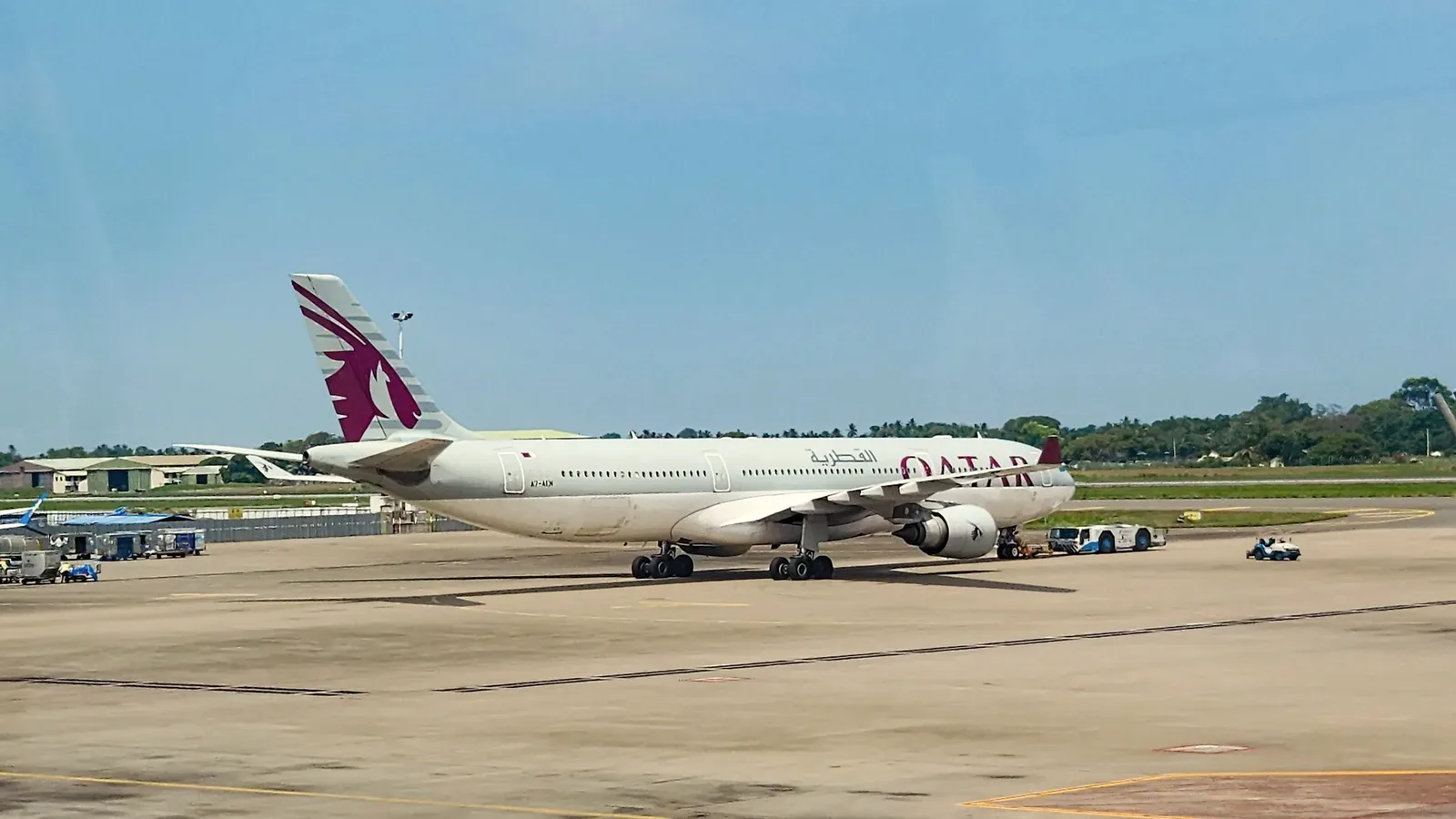
The US, Canada, UK, Australia and New Zealand have all raised travel warnings on the UAE, Saudi Arabia, Qatar, Bahrain, Kuwait, Oman and Jordan within the past week as ceasefire talks broke down — even as Gulf destinations run fare sales and loosen visa rules to prop up demand. Advisors should reassess Gulf itineraries and duty-of-care policy now, not wait for a formal downgrade. The conflict is already showing up in carrier financials: IndiGo swung to a $24.5 million net loss despite raising fares 21% year-over-year, as fuel cost per available seat kilometer jumped roughly 80%. That's a concrete warning sign for further fare increases or capacity pullbacks on India-Gulf-Europe routings, not just a regional headline.
- Advisories raised on: UAE, Saudi Arabia, Qatar, Bahrain, Kuwait, Oman, Jordan
- IndiGo: $24.5M net loss despite 21% YoY fare hikes
- Fuel cost per ASK up ~80% amid the escalation
American Grows Capacity as Rivals Pull Back, Even as Profit Falls 88%
American grew Q2 capacity 5.4% and is guiding to 3-5% more in Q3, even as profit fell 88% year-over-year to $71 million and full-year guidance widened toward a possible loss. That's a contrarian bet against Delta and United, both of which are cutting capacity to defend pricing power. American says it offset roughly half its higher fuel costs with fare increases, but still cut its profit outlook. For advisors, the divergence matters commercially: American fares and seat availability could stay softer than Delta's and United's into fall, making it the carrier most likely to have open inventory — and the most exposed if the pricing gap doesn't close.
IATA Picks an Outsider to Lead Global Ticketing Standards Body
Saadia Zahidi, currently at the World Economic Forum, will succeed Willie Walsh as IATA director general on November 1 — the first non-airline-insider and first woman to hold the post. Walsh departs to become IndiGo's CEO on August 3. IATA sets the BSP settlement, ticketing and interline standards that advisors and TMCs rely on every day, so a leadership change of this kind is a structural signal rather than a personnel footnote. It's too early to know Zahidi's priorities, but a leader drawn from outside airline management, with a policy and economics background, could shift how the body balances carrier interests against distribution and settlement reform. Worth watching for early statements once she takes the seat.
Former United CEO: Investors Are Circling Cheap US Airlines
Oscar Munoz says sophisticated investors who long ignored airline stocks are newly engaging with depressed-valuation carriers, naming American, Alaska and JetBlue specifically, and expects visible activity soon now that Q2 earnings are out. That's speculative, but it comes from a credible industry insider, and it raises a real possibility: an activist stake or a take-private move at a major supplier. Advisors with heavy exposure to any of the three named carriers should treat this as an early flag rather than a done deal — supplier ownership changes can mean renegotiated corporate contracts, loyalty program shifts, or route rationalization down the line. Nothing to act on yet, but worth tracking as Q3 unfolds.
United Ties Full MileagePlus Value to Co-Brand Card Ownership
United cut base mileage-earning for members without a co-brand card — general members now earn 3 miles per dollar spent, down from 5 — while boosting cardholder earning rates and giving cardholders 10-15%+ off award redemptions. In effect, a United credit card is now close to mandatory for getting full value out of a MileagePlus account. Advisors presenting United loyalty value to corporate travelers need to update that pitch: travelers who fly United loyally but don't carry the co-brand card are getting a materially worse program than they were last quarter. This is a concrete commission and value-proposition shift, not a marketing tweak, and it's worth flagging proactively to frequent United clients before they notice the difference themselves.
Southwest Confirms Lounges, Premium Co-Brand Card Coming
CEO Bob Jordan confirmed Southwest has signed leases for its first-ever airport lounges, in Austin, Dallas, Nashville, Denver and Honolulu, tied to a planned premium credit card expected to carry a $395-$650 annual fee. Co-brand card acquisitions are already up 28% year-over-year ahead of the launch. This is a real repositioning for a carrier that has never offered lounge access, and it signals Southwest is chasing the premium corporate traveler it has historically ceded to legacy carriers. Nothing is bookable yet, but advisors should start flagging the change to corporate clients who fly Southwest for domestic routes and have previously ruled it out for premium perks.
Hotel Chains Reshape Corporate Inventory and Connectivity
Wyndham cut its US economy room count 3% to 216,600 rooms while growing midscale-and-above inventory 2%, with CEO Geoff Ballotti explicit about chasing higher fee revenue per available room. That means the cheapest corporate lodging options in the Wyndham system are shrinking as the chain deliberately moves upmarket — a direct hit to budget-tier corporate rate programs. Separately, Hilton and Marriott are reportedly exploring corporate travel connectivity between their two systems. Details are thin, but if it proceeds, it could change how TMCs and corporate travel programs access negotiated rates and inventory across both loyalty ecosystems. Both are early-stage but worth flagging to clients who rely on Wyndham's budget tier or negotiate rates across Hilton and Marriott separately.
American Adds 12 Airports for Q3, Drops Doha
American will serve 361 airports in Q3 2026, versus United's 375, adding new points including Staunton/Waynesboro and Vero Beach while cutting service to Doha. These are schedule-confirmed changes, not aspirational network talk, so advisors should reflect the additions and the Doha loss in booking options immediately rather than waiting for a broader network announcement.