Gulf advisories snap back as ceasefire talks collapse — and the fare pain isn't over
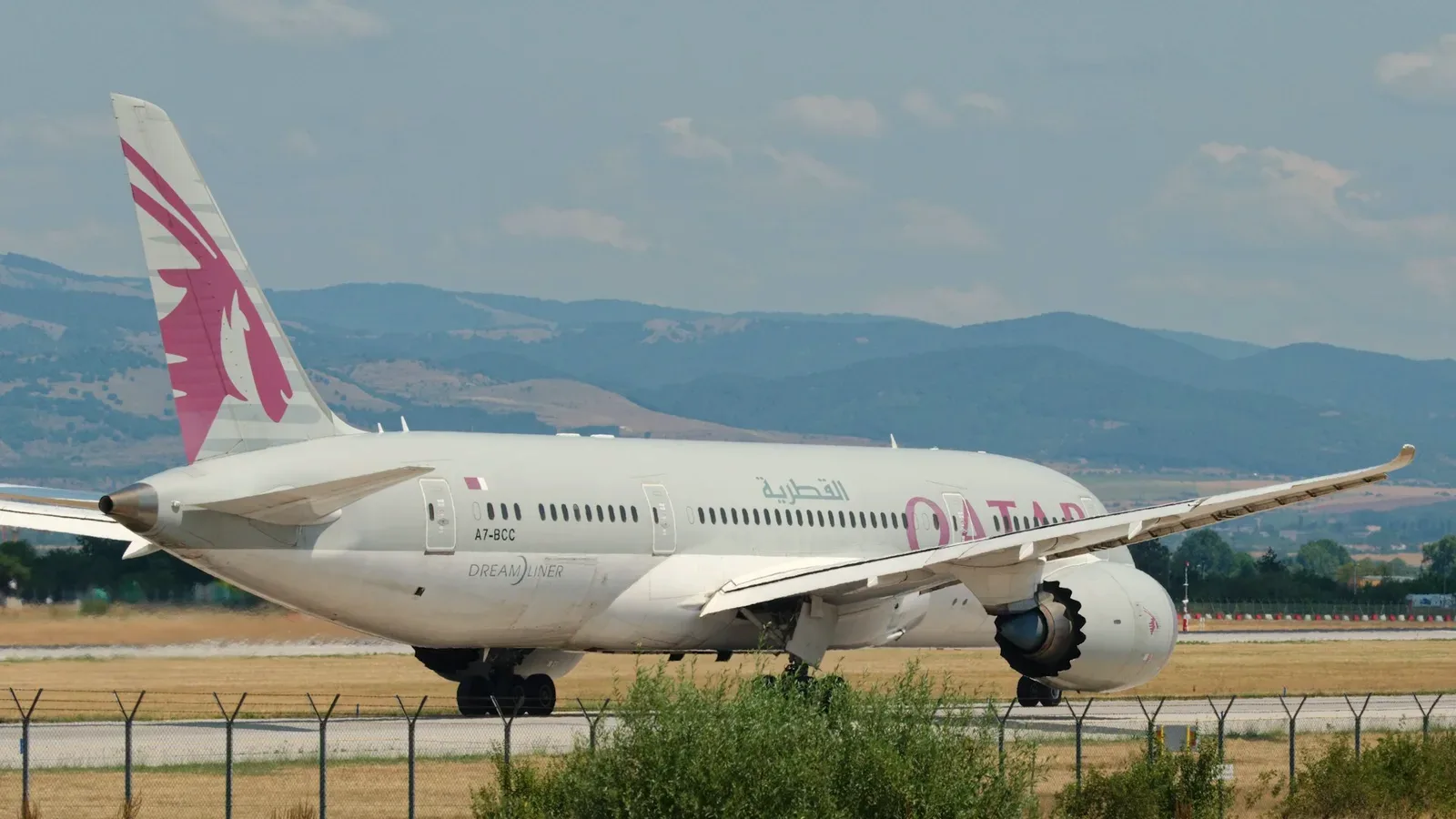
The US, UK, Canada, Australia and New Zealand have re-escalated travel advisories for the UAE, Saudi Arabia, Bahrain, Qatar and Kuwait to non-essential-travel levels after Middle East ceasefire talks broke down, forcing a fresh look at corporate T&E duty-of-care policies for anyone routed through the Gulf. Carriers are countering with fare sales and easier visas to offset the occupancy hit, but the underlying cost pressure is real: IndiGo just swung to a $24.5 million net loss despite raising fares 21.3% year-over-year, as fuel costs per ASK jumped roughly 80% amid the regional flare-up. That combination — advisories up, fuel costs up, fares still climbing — suggests corporate rates on Middle East-adjacent and long-haul routes have further to run before they stabilize. Advisors should revisit Gulf itineraries now rather than wait for advisories to lift.
IATA skips the airline veterans, hands the top job to a WEF economist
IATA has named the World Economic Forum's Saadia Zahidi as its next director general, passing over a bench of airline-executive contenders, as Willie Walsh departs to run IndiGo. It's a first on two counts — the first non-operator and first woman to lead the trade body that sets global standards for interline agreements, settlement, safety and sustainability policy. A leader without an airline P&L background could shift how assertively IATA pushes carrier-side positions on issues like distribution costs, emissions rules and slot policy, all of which filter down into how airlines price and structure the products advisors sell. Nothing changes operationally today, but the appointment signals a broader tone shift at the industry's standard-setting body worth watching over the next year.
American grows the network, but profit craters 88% — and Wall Street is skeptical
American Airlines posted record Q2 revenue and says it offset roughly half its fuel costs with fare increases, while flying more capacity as rivals pull back. Yet profit fell 88% year-over-year and the carrier is now expected to lose money for full-year 2026, prompting analysts to openly question whether American should be shrinking its network rather than growing it. That growth is concrete: American added 12 new destinations, bringing its Q3 2026 total to 361 airports — second only to United's 375 — including secondary US markets like Staunton/Waynesboro, VA and Vero Beach, FL. For advisors, the near-term picture is more routing options, but the medium-term risk is a course correction: if analyst pressure to cut capacity wins out, expect schedule and fare volatility on AA routes later this year.
United and Southwest both lean on the credit card to carry the loyalty story
United quietly cut MileagePlus base and elite earning rates for members without a co-brand card — by up to 2 miles per dollar — while boosting cardholder earning and redemption discounts, effectively making a United card mandatory for full program value. Flag this to unenrolled frequent flyers now. Southwest, meanwhile, is crediting its revenue "transformation" to new bag and seat fees, but the numbers show most of the gain traces to Chase co-brand card economics rather than the fees themselves — even as the airline confirms its first airport lounges and a new premium credit card are coming. In both cases, the loyalty value proposition is shifting toward the card relationship, not toward fare or service commitments advisors can promise clients directly.
Hotel programs shift: Wyndham trims budget rooms, Hilton and Marriott float a corporate link-up
Wyndham is deliberately shrinking its US economy portfolio — Super 8, Days Inn, Microtel down about 3% — while growing midscale-and-above inventory 2%, chasing higher fee revenue per available room. Headline room counts will look flat, but average nightly rates and fees on next year's corporate hotel programs are set to rise. Separately, Hilton and Marriott are exploring new corporate travel connections, a discussion that — if it advances — could reshape how negotiated rates, RFPs and preferred-property programs work across the two largest chains advisors negotiate with. Neither company has detailed specifics yet, but both moves point the same direction: less budget inventory, more structural change in how corporate hotel programs get priced and packaged. Advisors managing multi-brand accounts should watch both closely heading into 2027 RFP season.
Brussels fines Google $525M over self-preferencing travel search results
The EU has fined Google $525 million, finding it illegally buries rivals like Trivago beneath its own hotel, flight and shopping tools in search results — a Digital Markets Act enforcement action. If it forces changes to how Google surfaces metasearch and OTA results, it could alter the default channel through which clients and advisors compare fares and rates online, a distribution-layer shift worth tracking even though no product changes have landed yet.
New business-class suite doors are being flown locked open
KLM, Lufthansa, United, American and JetBlue are all flying newly delivered business-class suites with privacy doors that can't be closed, because FAA and EASA certification for door-equipped seats hasn't caught up with the hardware. The suites are otherwise in service and marketed as premium, door-equipped products. Advisors booking premium corporate clients onto these newest aircraft deliveries should set expectations accordingly: the privacy-door feature shown in marketing photos may not be usable on the actual flight, regardless of aircraft or carrier.
Former United CEO: investors are circling cheap US airlines
Oscar Munoz says sophisticated investors are newly engaging with depressed US airline valuations and expects a deal to emerge soon following this quarter's earnings, naming American, Alaska and JetBlue as possible targets — echoing the activist playbook Elliott ran on Southwest. It's speculative and unconfirmed, but Munoz has direct insider knowledge of how that pressure builds. Advisors should treat this as an early watch-item: consolidation or activist intervention at any of the named carriers could reshape alliance commitments, elite reciprocity and network plans that corporate travel programs are built around.