AirBaltic Enters Chapter 11 — Flights Continue, But So Does Counterparty Risk
AirBaltic has filed for Chapter 11 bankruptcy protection in the US, citing mounting financial pressure, while securing $404 million in new financing to fund a roughly nine-month restructuring. The Latvian flag carrier says flights, reservations, and existing tickets continue uninterrupted during the process. For advisors, the operative word is continue, not guaranteed. Chapter 11 filings don't halt flying, but they do introduce counterparty risk: corporate accounts, credit balances, and multi-carrier itineraries booked through AirBaltic warrant closer monitoring for refund and rebooking exposure until the airline exits protection. Clients with existing AirBaltic segments should be told the airline intends to keep operating normally, but advisors should hold off extending new corporate credit terms or banking future travel credits with the carrier until the restructuring's shape becomes clearer. Treat this as a watch-list carrier for the next several quarters.
Hyatt Drops American, Realigns Loyalty Ties With Delta
Hyatt has ended its airline loyalty tie-up with American Airlines and realigned with Delta, changing which corporate travelers can cross-earn or status-match between the two programs. For advisors managing elite clients who pair World of Hyatt with airline status, this reshuffles the benefit stack: American-linked perks tied to Hyatt no longer apply, while Delta SkyMiles members gain a new lane into Hyatt elite recognition. Corporate travel policies built around bundling AAdvantage status with Hyatt stays should be revisited, particularly for clients with renewal windows or status-match offers in progress. The practical impact is narrow but immediate — any active promotions referencing the old AA-Hyatt relationship should be assumed void, and advisors should redirect elite-earning strategy for Hyatt loyalists toward Delta itineraries, where cross-program value now sits.
American's Basic Economy Crackdown Now Strips Elite Perks Too
American Airlines' updated Basic Economy rules, taking effect in 2026, strip advance seat selection, upgrade eligibility, and other status perks from AAdvantage elites who book the fare class — benefits top-tier flyers previously kept even in the cheapest bucket. That closes a gap corporate travel policies had quietly relied on: booking Basic Economy for cost control while letting elite status soften the experience. Advisors working with clients whose T&E policy defaults to lowest logical fare should flag the change now, since elite travelers booked into Basic Economy will lose seat assignments and upgrade priority regardless of tier. Expect pushback from frequent-flyer road warriors and more requests to book one class up. This is a policy-economics shift, not a product tweak — it changes the true cost comparison between Basic Economy and Main Cabin for elite corporate travelers.
Delta Bets Its Entire Pacific Strategy on Two West Coast Gateways
Delta is concentrating its Pacific strategy on two gateways — LAX and Seattle — funneling long-haul A350 and A330neo capacity through them alongside its Korean Air partnership's Seoul hub, rather than pursuing the multi-hub Asia expansion United has built. The move comes as Delta faces a reported $4 billion transpacific revenue gap versus United. For advisors booking Asia-bound corporate travel, this sharpens routing logic: Delta connections to Asia will increasingly funnel through LAX or SEA, with Seoul as the secondary hub via Korean Air, rather than the broader West Coast gateway spread United maintains. Clients with flexible origin airports may find better Delta availability and fares by routing through LAX/SEA specifically, while multi-city Asia itineraries needing alternate US gateways may fare better on United. Expect Delta's transpacific schedule to narrow rather than diversify over the coming quarters.
United Opens New Dulles Concourse Mid-Overhaul — Book Connections With Buffer
United has opened Concourse E at Washington Dulles, adding 14 gates as part of a $20 billion overhaul of its second-busiest transatlantic hub, with a $15.5 billion budget increase funding years of additional terminal work still ahead. Dulles carries roughly 70% of United's Washington-area traffic, making it the default connection point for corporate clients routing to Europe via United. Advisors should expect phased disruption — construction zones, shifting gate assignments, and changing walking distances — even as capacity expands. The new concourse adds near-term relief, but with major work continuing for years, connection-time buffers on Dulles itineraries should stay generous rather than get trimmed just because more gates are online. Corporate travelers with tight international connections through IAD should keep extra buffer time until the broader renovation reaches a more finished state.
UK Ministry of Defence Disputes Military Role in NATS Outage — Cause Still Unresolved
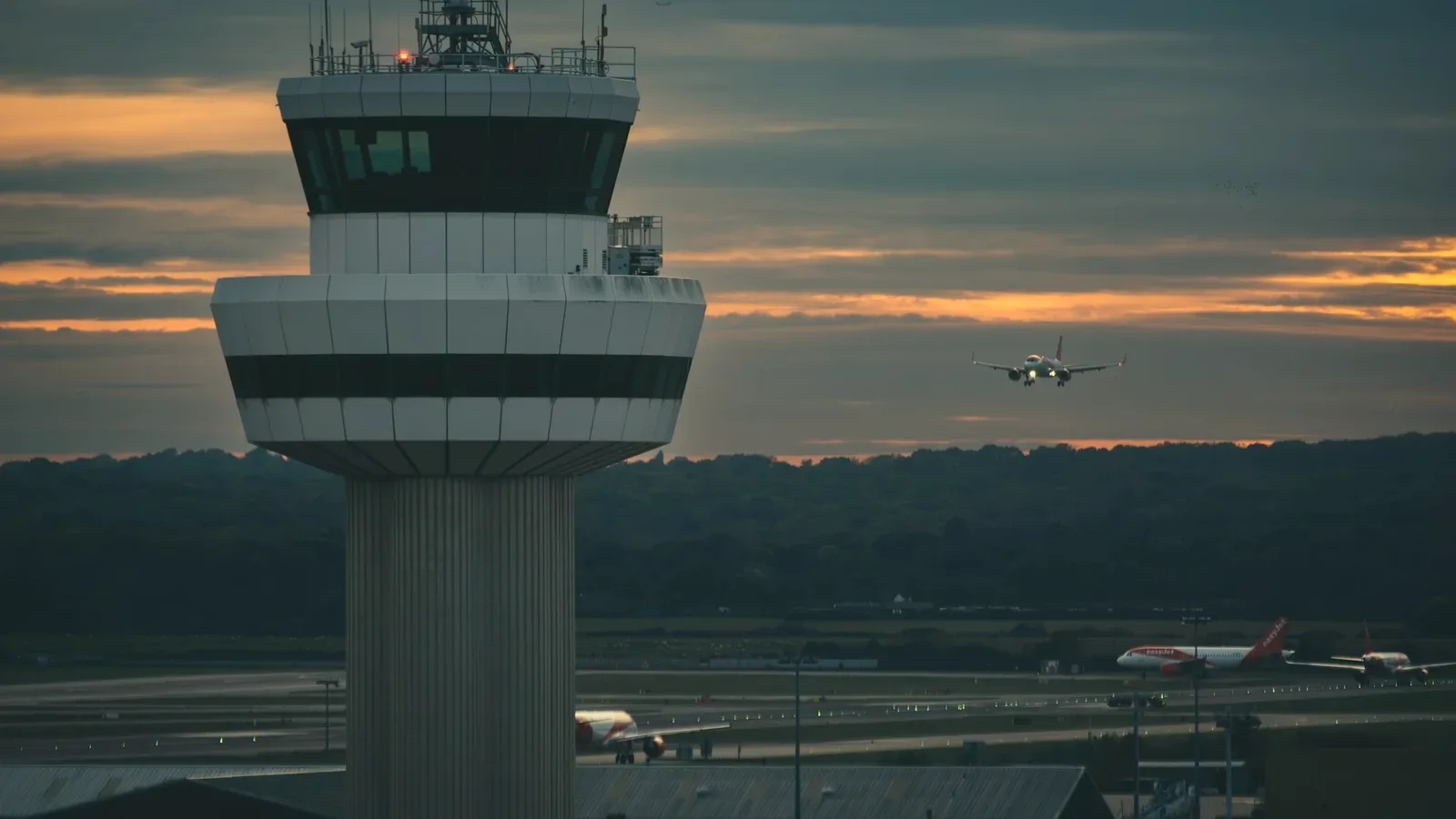
The UK Ministry of Defence has disputed reports that a military jet's flight plan triggered last week's NATS air traffic control outage, which disrupted more than 2,000 flights nationwide. With a cyberattack already ruled out and now the military explanation contested, the root cause of the failure remains officially unresolved. For advisors booking UK-bound or UK-transiting corporate travel, that's the relevant takeaway: without a confirmed cause, there's no confirmed fix, and recurrence risk can't be ruled out. This doesn't warrant rebooking clients away from UK airspace, but it does argue for keeping cancellation and rebooking protections front of mind on itineraries through London and other UK hubs until NATS or the government publishes a definitive account of what happened.