American ends the domestic 'double upgrade' — elites land in premium economy, not business
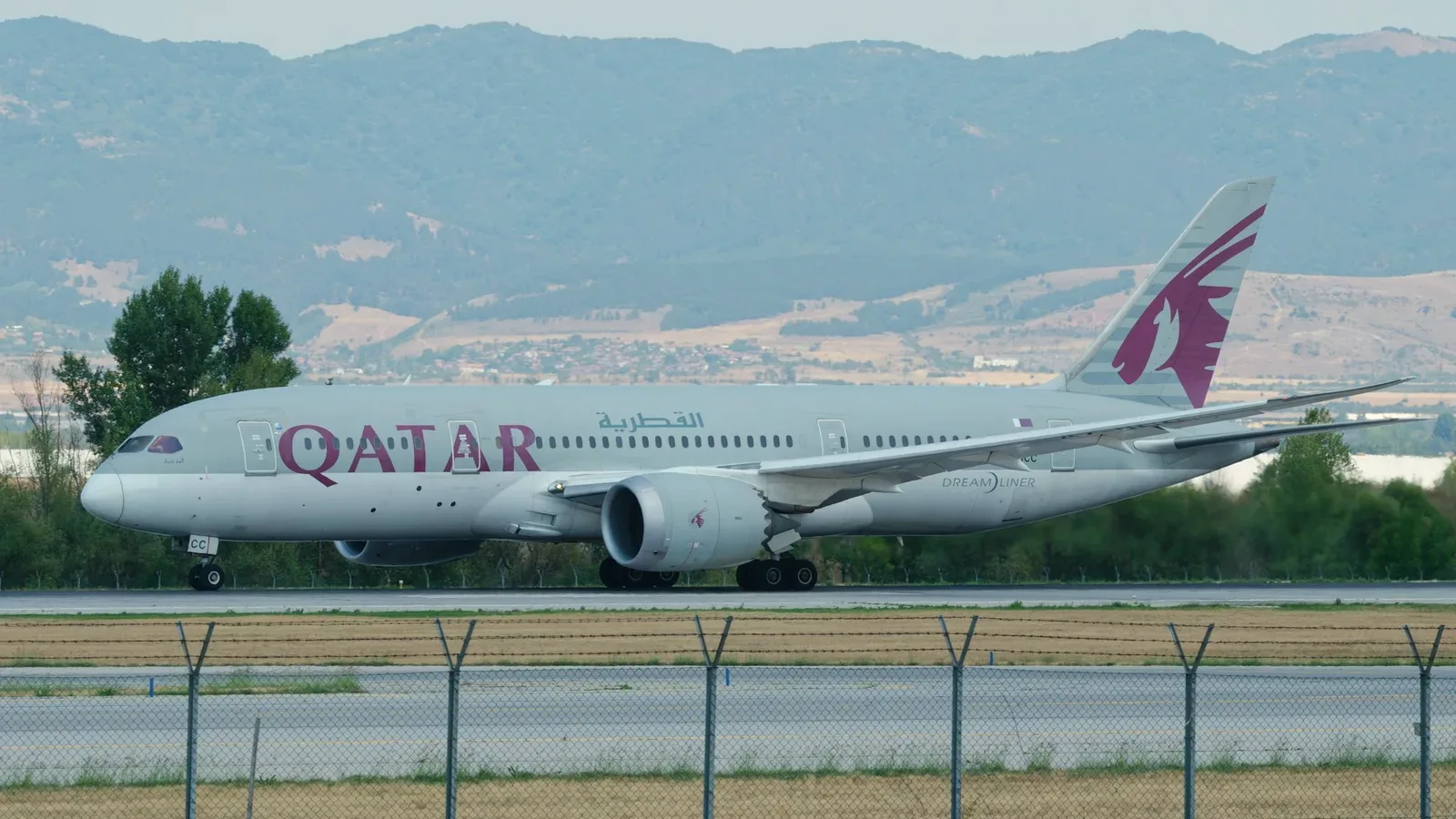
Starting Aug. 25, AAdvantage elites booked in premium-economy-equipped cabins on domestic transcons (A321XLR) and Hawaii routes (777, 787) will clear into premium economy instead of lie-flat business class. The change ends the "double upgrade" that let elites leapfrog straight past premium economy into business — a perk advisors have used to sell status and elite recognition on American's most competitive routes. The window before enforcement is under three weeks, so itineraries already booked with an expected business-class upgrade need review now: elites should confirm which cabin they'll actually occupy and reset expectations with clients who chose American specifically for the current upgrade path. Corporate travel managers with elite-heavy rosters on these routes should flag the change in internal booking guidance before it takes effect, since it changes the calculus on paying for premium economy outright versus relying on upgrade clearance.
American trims flight attendant staffing and fleet deliveries in tandem
American is cutting costs on two fronts. It's offering unpaid September leave to up to 1,205 flight attendants — 36% more than the 779 offered last year — and doing so during peak summer rather than after Labor Day, an early signal that fall schedule reductions are being pulled forward. Separately, internal fleet documents show American trimmed 2026 deliveries by one aircraft, pushed Airbus narrowbody deliveries from 2028 into 2029 and beyond, and slipped a 787 delivery into 2027. Neither move is a service cut yet, but together they point toward slower capacity growth and older aircraft staying in rotation longer. Advisors booking American for September and October, or planning fleet-dependent product for 2027-28, should treat both as leading indicators rather than one-off headlines and build in schedule flexibility.
Delta relaunches Seattle–Narita, opening a second front against Alaska's Tokyo service
Delta will launch daily Seattle–Narita service on an A330neo starting March 27, 2027 — its first Narita flying in seven years — reopening a transpacific front against Alaska Airlines, which has leaned on Seattle-Tokyo connectivity without a joint-venture partner of its own. The move gives Delta's Pacific Northwest corporate accounts a one-stop route into Narita and more onward connections across Delta's Asian network. For advisors booking Seattle-based corporate travel to Japan, expect fare and schedule competition to intensify well before the 2027 launch as both carriers defend share on the route. It's also a reminder that hub strategy keeps shifting years in advance — worth flagging to clients who lock in long-term corporate rate agreements tied to a single carrier's Seattle-Asia footprint.
Hilton and Booking Holdings both restructure how corporate accounts get booked
Corporate hotel and OTA distribution keeps consolidating around fewer, bigger B2B platforms. At GBTA Chicago, Hilton's global sales SVP confirmed accounts are now segmented into three tiers — self-serve digital, hybrid, and white-glove direct-seller — meaning the level of human contact a corporate account gets now depends on account size rather than one sales model for all. Separately, Booking Holdings has begun merging Agoda, Booking.com, and Priceline's B2B units onto one unified "Booking Partner Services" platform, with Priceline's partners migrating first and full migration potentially running into 2027. Advisors and agencies plugged into any of these three brands' B2B APIs should expect a technical transition period, and corporate buyers negotiating Hilton rates should confirm which sales tier their account now falls into before assuming their previous contact remains the point of escalation.
GetYourGuide passes its digital services tax bill to tour operators Oct. 1
GetYourGuide will start surcharging tour and activity operators in France, Italy, Spain, Turkey, and the UK on Oct. 1 to cover digital services tax costs it has until now absorbed itself. Tours and activities booked through GetYourGuide are a common component of corporate incentive trips and group programs, so operators in those five markets should expect either a direct surcharge or a quiet price increase passed through to the booker. Advisors sourcing activities in those countries for corporate groups have about seven weeks to lock in current pricing before the change lands, or to flag the added line item to clients budgeting incentive travel. It's a small policy shift but a preview of how OTAs are handling rising European digital tax bills — worth watching for whether other platforms follow with similar supplier pass-throughs.
Google's agentic hotel booking moves from roadmap to live US test
Google has moved from roadmap to live test: a limited US rollout now lets Ask Maps handle end-to-end agentic hotel booking, not just search, and Booking Holdings' CEO referenced the partnership on this week's earnings call as an early integration rather than a rumor. For advisors, it's an early but concrete signal that a major search platform is testing itself as a booking layer for hotel stays that would otherwise route through an advisor or a corporate travel tool. The test is limited in scope for now, but the direction — search platforms closing the loop into transaction — is the thing to track, particularly for simple, low-touch hotel bookings most exposed to disintermediation if the test expands nationally.
Carriers disclose how much of the fuel spike hit customers versus margin
IATA now pegs 2026 jet fuel at roughly $152 a barrel, up from $90, and has cut its global airline profit forecast in half as a result. Q2 earnings from a dozen carriers now show, airline by airline, how much of that cost got passed through to fares versus absorbed into margin. For advisors, it's a usable data point rather than an anecdote: when clients ask why corporate fares keep climbing, the fuel-cost pass-through rate by carrier is now documented and comparable, and it offers a defensible basis for flagging further fare increases as fuel costs stay elevated into next year's T&E budget conversations.
Air Canada adds Montreal–Tenerife and two other long-haul routes for winter
Air Canada added three long-haul routes for winter 2026/27: Montreal–Tenerife, the airline's first-ever nonstop to the Canary Islands, launches Oct. 31 with a second weekly frequency already added ahead of the season on strong forward bookings, alongside new Sapporo service and additions in Central America, the Caribbean, and Mexico. For advisors building winter leisure and ski itineraries out of Montreal, the Tenerife route is new inventory with an early demand signal worth flagging to clients planning ahead. The broader pattern — Air Canada leaning into leisure long-haul for winter rather than pure business routes — is worth watching for how it reshapes connection options on advisor-booked winter programs more broadly.