Dulles and Gatwick Both Clear the Way for More Capacity
Two of the busiest transatlantic gateways moved decisively to add capacity this week, though on different timelines. United and the Metropolitan Washington Airports Authority signed off on a $22.5 billion master plan for Washington Dulles that will add roughly 5 million square feet of terminal space, a 14-to-16-gate extension of Concourse A, and entirely new Concourses B, C and D, phased through the 2030s — a long-term bet on Dulles as a growing hub for government and corporate travel. In London, Gatwick cleared its last major hurdle: the Court of Appeal rejected an environmental challenge to the airport's Northern Runway plan, unlocking room for up to 100,000 additional annual flights. The ruling also sets legal precedent ahead of a year-end parliamentary vote on Heathrow's own third-runway expansion. Neither project changes near-term availability, but both point toward looser capacity — and potentially softer fares — on two key business corridors over the coming years.
Delta Discounts Riyadh While Teasing a Bigger Bet on Austin
Delta's first-ever Saudi Arabia route is off to a slow start: with the Atlanta-Riyadh nonstop still ten weeks from its October 23 launch, the airline is already discounting economy awards to as low as 25,500 SkyMiles round-trip and has pre-announced a step-down from daily to three-times-weekly service after October 30. Advisors should treat early ATL-RUH bookings as fluid and watch for further schedule adjustments. Meanwhile Delta is teasing a considerably more ambitious network move: an announcement expected August 13 is widely believed to confirm Austin-Paris nonstop service for summer 2027, paired with a new 30,000-square-foot Sky Club and conversion of Austin's existing club into a Delta One lounge. The contrast is notable — Delta is trimming frequency on a route that hasn't proven demand while doubling down on lounge and route investment in Austin, where corporate and tech travel has been growing fast.
Delta's Hiring Spree Squeezes Rivals in Minneapolis
Delta's aggressive hiring of junior pilots is rippling through Minneapolis-St. Paul, where Sun Country's pilot base has seen elevated attrition as crews jump to the bigger carrier. The staffing strain is now hitting schedules: Allegiant's leadership says it is cutting off-peak flying out of MSP in response, even though Allegiant isn't the airline losing pilots directly — Sun Country is, and the carriers share the same crew-market pressure in that base. Delta also hubs at MSP, meaning the same competitive hiring push that is trimming rivals' schedules reinforces Delta's own position there. For advisors booking Minneapolis itineraries, the practical effect is tighter off-peak capacity and a firmer pricing environment on competitor flights, even as Delta's own MSP schedule holds steady. It's a reminder that labor-market competition among carriers can show up as a route-capacity story well before it shows up in earnings commentary.
Air India Taps Ethiopian's Turnaround Architect for Next Growth Phase
Air India has named Tewolde Gebremariam, the former Ethiopian Airlines CEO who quadrupled that carrier's revenue and built its Addis Ababa hub into a long-haul powerhouse, to succeed Campbell Wilson. The move is explicitly framed as a shift from turnaround to growth execution — Wilson's mandate was stabilizing the airline after the Tata Group takeover; Gebremariam's is scaling it internationally. For advisors with India-bound corporate accounts, the hire is worth watching closely: Gebremariam's track record at Ethiopian centered on aggressive long-haul network expansion and hub-and-spoke connectivity, and a similar playbook at Air India could mean new long-haul routes, added frequencies, and changed connection patterns through its major hubs over the next few years. No specific route or fleet changes have been announced yet, but the appointment itself signals where Air India's next phase is headed.
ARC Reviews Corporate Accreditation as Amex GBT Talks Platform Strategy
Two developments this week touch the infrastructure advisors operate inside rather than the routes they sell. ARC, the body that accredits corporate travel agencies and clears airline ticketing, confirmed its Corporate Travel Department (CTD) program is under review — with few details yet on scope, but any change to CTD accreditation could affect how agencies qualify for ticketing access or report transactions. Separately, Amex GBT's Chief Product and Strategy Officer Evan Konwiser spoke on record about the company's platform direction; as the largest global TMC, Amex GBT's product roadmap tends to filter down into the booking tools and workflows independent agencies and corporate travel departments rely on. Neither story has an immediate action item, but both are worth tracking: they're the kind of structural shifts that show up later as new compliance requirements or platform changes rather than as headlines.
Loyalty Programs and Premium Cards Get More Expensive to Use
Three supplier moves this week quietly raise the cost of using loyalty programs and premium cards. Marriott's CEO confirmed the company is cutting the loyalty charges it bills hotel owners by about 5%, funded — analysts expect — by further devaluation of Bonvoy award charts, meaning corporate travelers redeeming points for upgrades or free nights should expect less value ahead. Citi is raising the AAdvantage Executive Card's annual fee from $595 to $695 effective August 23, offsetting the increase with a new $500 credit split across two $250 American Airlines Vacations bookings — a narrower benefit than a straight fee hike suggests. And starting September 15, Lufthansa will charge up to €170 per sector for preferred business-class seats (window and bulkhead) on its A380s, waived only for HON Circle/Senator elites or Business Flex fares. Advisors should flag all three before booking corporate travelers into standard fares or point redemptions.
Holiday Fares Already Running 13-19% Ahead of Last Year
Holiday airfares are already running well ahead of last year, and airline executives are signaling no relief is coming. Thanksgiving domestic round-trips are pricing about 13% above 2025, year-end domestic fares are running roughly 18% higher, and international fares are up about 19%, with the increases attributed largely to cost pass-through rather than a one-time spike. For advisors managing Q4 corporate travel budgets, the practical takeaway is to lock in holiday-adjacent bookings now rather than waiting for a seasonal dip — this year's pricing trend suggests waiting will cost more, not less.
- Thanksgiving domestic round-trip fares: +13% YoY
- Year-end domestic fares: +18% YoY
- International fares: +19% YoY
Distribution Channels Shift: Expedia Broadens B2B, Qatar Tightens Award Sharing
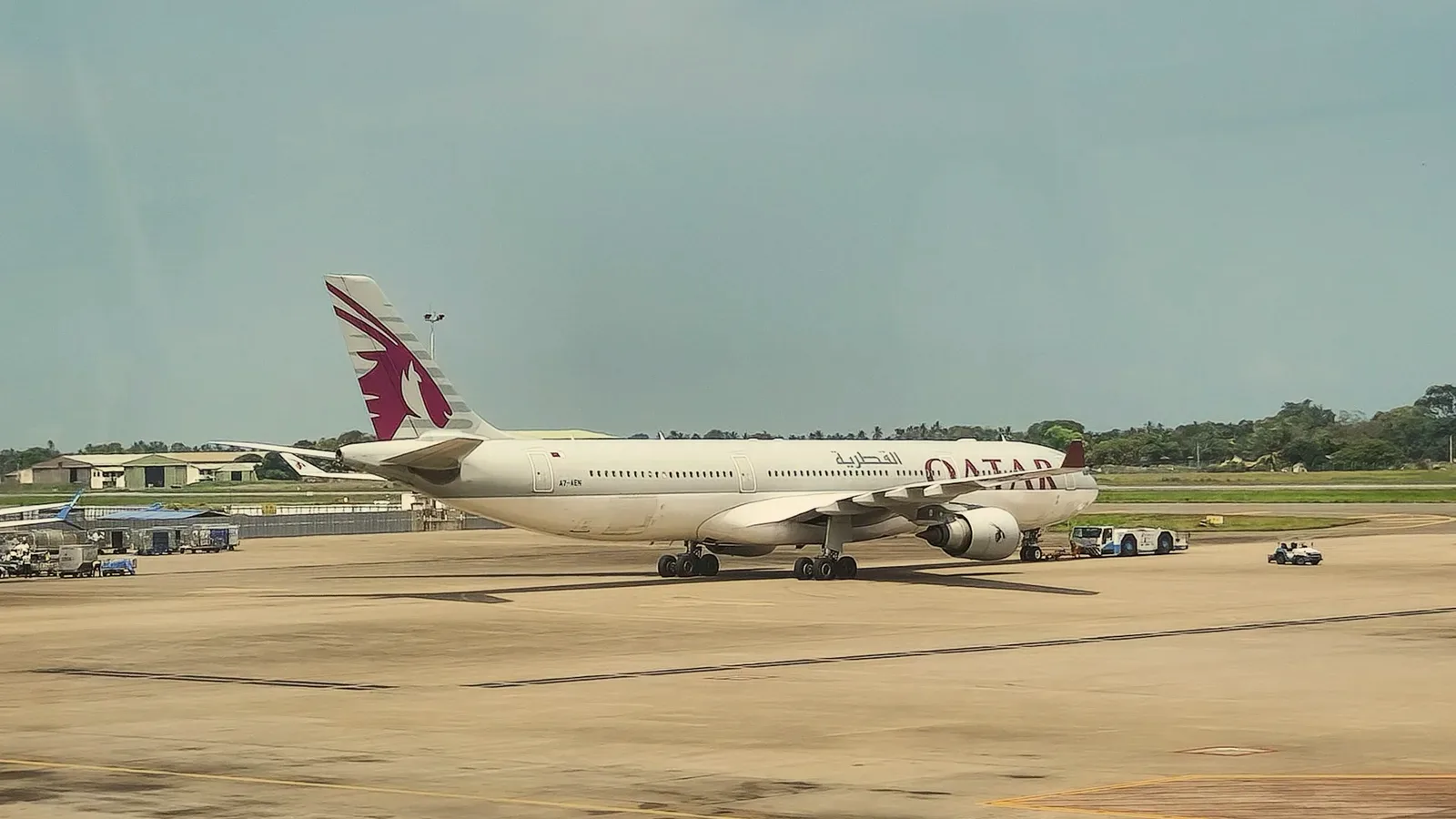
Two distribution-side changes affect how advisors source corporate inventory. Expedia's B2B unit — historically a hotel-only wholesale product serving roughly 75,000 partners — grew revenue 23% year-over-year and is now expanding into flights and ground transport as it aims to become a one-stop wholesale shop, a direct response to Booking Holdings consolidating its own B2B brands. Separately, Qatar Airways' Privilege Club cards now earn 3 Avios per dollar on up to $50,000 of Bilt-processed rent payments, a meaningful new earn channel for corporate travelers paying rent. But Qatar has simultaneously tightened award redemption rules, restricting bookings to the account holder or pre-added members with six-month lock-in periods — meaning advisors booking premium Qatar awards on a client's behalf need to plan further ahead, since last-minute additions of beneficiaries are no longer straightforward.