Gulf Advisories Snap Back as IndiGo Feels the Fuel Shock
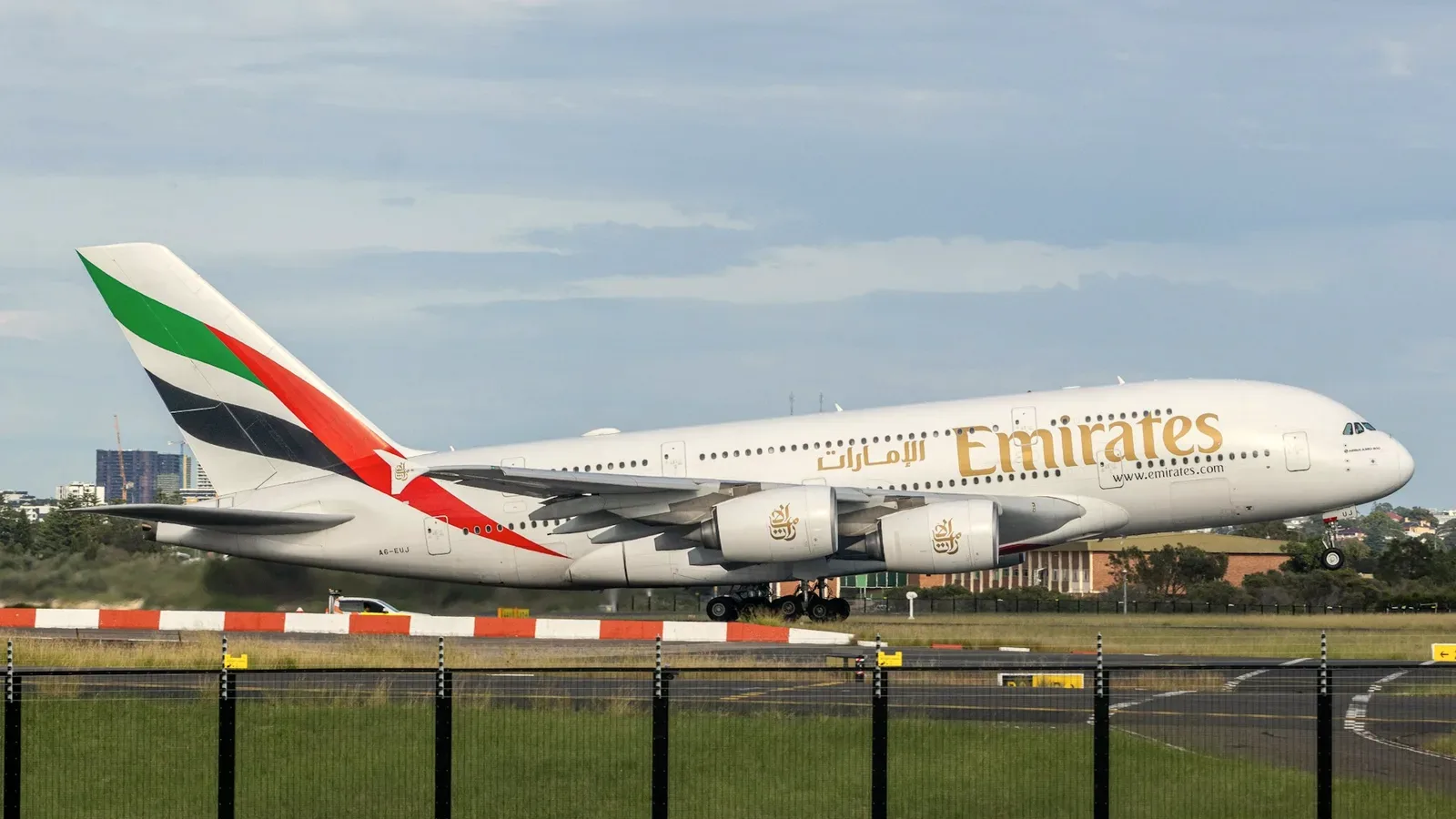
Ceasefire talks in the Middle East broke down this week, and the US, UK, Canada, Australia and New Zealand have reinstated Level 3 advisories for the UAE, Saudi Arabia, Bahrain, Kuwait, Qatar and Oman. That reopens the duty-of-care question for any account with Gulf itineraries on the books, even as destinations there counter with fare sales and eased visa rules to keep bookings moving. The fallout is already visible in carrier balance sheets: IndiGo, India's largest airline, swung to a net loss despite a 21.3% yield increase, as fuel costs per available seat kilometer jumped roughly 80% year over year. Expect continued fare pressure and capacity discipline on South Asia and Gulf routes as long as the flare-up persists. Flag Gulf trips for policy review now, and set client expectations that fares on affected corridors may firm before they ease.
American Bets on Growth While Its Margins Shrink
American Airlines posted a $71 million profit for the quarter, down 88% year over year, even after offsetting roughly half its higher fuel costs with fare increases — and Wall Street isn't convinced the turnaround is real. Yet American is doing the opposite of Delta and United, growing capacity 5.4% while rivals pull back, and it just added 12 new destinations for the third quarter, including Staunton/Waynesboro and a brand-new market in Vero Beach, pushing its network to 361 airports. That's a bet that share gains now outweigh near-term margin pain, putting American at odds with the industry's more cautious capacity posture. For advisors, it means more nonstop options on American in the near term, but also a carrier whose pricing and network stability bear watching if 2026 profitability doesn't materialize as promised.
United Makes the Co-Brand Card the Price of Full Earning
United has quietly cut mileage earning for MileagePlus members who don't carry a co-branded credit card — by up to 2 points per dollar — while boosting earning rates and award discounts for cardholders. It's a clear signal that United now treats the card relationship, not flying alone, as the core of the loyalty program. Alongside the change, United extended its 110,000-mile Business Card offer, sweetening the incentive to convert. Advisors managing United-heavy corporate accounts should factor this into T&E card guidance: employees without the co-brand card are now earning meaningfully less on every United dollar spent, which changes the calculus on which corporate card to recommend for United-loyal travelers.
Southwest's Lounges Are Real — Its Fee Turnaround Story Is Less So
Southwest CEO Bob Jordan gave his clearest confirmation yet that airport lounges are coming, with leases reported in Austin, Dallas, Nashville, Denver and Honolulu, tied to a new premium credit card expected to run $395–650 a year. That's a real new option for accounts that have avoided Southwest for lack of a premium product. But the same earnings call undercuts Southwest's narrative that its move to bag and seat fees is driving results: the accounting shows the improvement is mostly co-brand credit card economics and expiring retention credits, not organic demand for the new fees. Advisors should welcome the lounge and card news as a genuine upgrade to Southwest's corporate offering, while treating claims about fee-driven revenue strength with some skepticism.
Hotel Groups Rework the Corporate Rate Map
Wyndham is deliberately trimming its economy inventory — down 3% — while growing midscale-and-above rooms by 2%, swapping lower-fee budget properties for higher-FeePAR ones. That's a direct hit to the cheap end of negotiated corporate rates in markets where Wyndham's economy brands have been the fallback option. Separately, Hilton and Marriott are reportedly exploring new corporate travel connections between their platforms — thin on public detail so far, but worth tracking given how directly any integration could reshape corporate booking-tool connectivity and negotiated rate access across the two largest hotel portfolios. Neither story is fully resolved, but both point the same direction: hotel groups are actively reworking how corporate rate programs plug into their inventory, and advisors should expect rate structures to shift under existing agreements.
IATA Passes Over Airline Veterans for Its Next Chief
IATA has picked World Economic Forum executive Saadia Zahidi as its next Director General, passing over airline veterans to fill the seat Willie Walsh vacates when he becomes IndiGo's CEO on August 3. A trade-body leader without an airline operating background is a departure from IATA's usual succession pattern, and it raises real questions about how the organization will engage governments on distribution standards, interline agreements and sustainability rules that underpin day-to-day agency operations. It's early to say what changes in practice, but a leadership shift at the body that sets the technical standards behind ticketing and settlement is worth watching over the coming months rather than filing away as a personnel note.
Brussels Fines Google $525M Over Travel Search Bias
The European Commission has fined Google $525 million, finding it illegally favored its own hotel, flight and transport results over rivals like Trivago and Expedia under the Digital Markets Act. Beyond the fine, the ruling could force Google to change how it surfaces travel search and comparison results in the EU — a shift that would ripple into how both clients and advisors shop for fares and rates online. It's a regulatory story rather than an operational one for now, but distribution rulings like this tend to move slowly and then change search behavior all at once. Advisors relying on Google-surfaced pricing for client research should watch for interface changes in the coming months.
Premium Doors That Won't Close, Economy Seats Now For Sale
Two unbundling stories, same theme: carriers reworking what premium and economy actually mean. KLM, Lufthansa, United, American and JetBlue are flying new business suites whose privacy doors are locked open because FAA and EASA certification hasn't caught up with enclosed-suite designs — travelers paying for a closed-door suite aren't yet getting one. Meanwhile Lufthansa Group (Lufthansa, SWISS, Austrian, Brussels Airlines) rolled out paid economy tiers as of July 22, including a 'back seat' fare and a 'first row' seat category no longer reserved for HON Circle and Senator elites. Both changes affect what advisors should tell clients to expect for the price paid: business class doesn't yet mean full privacy, and front-row economy is now for sale rather than an elite perk.