American Grows Capacity While Profits Collapse — And Adds 12 Airports
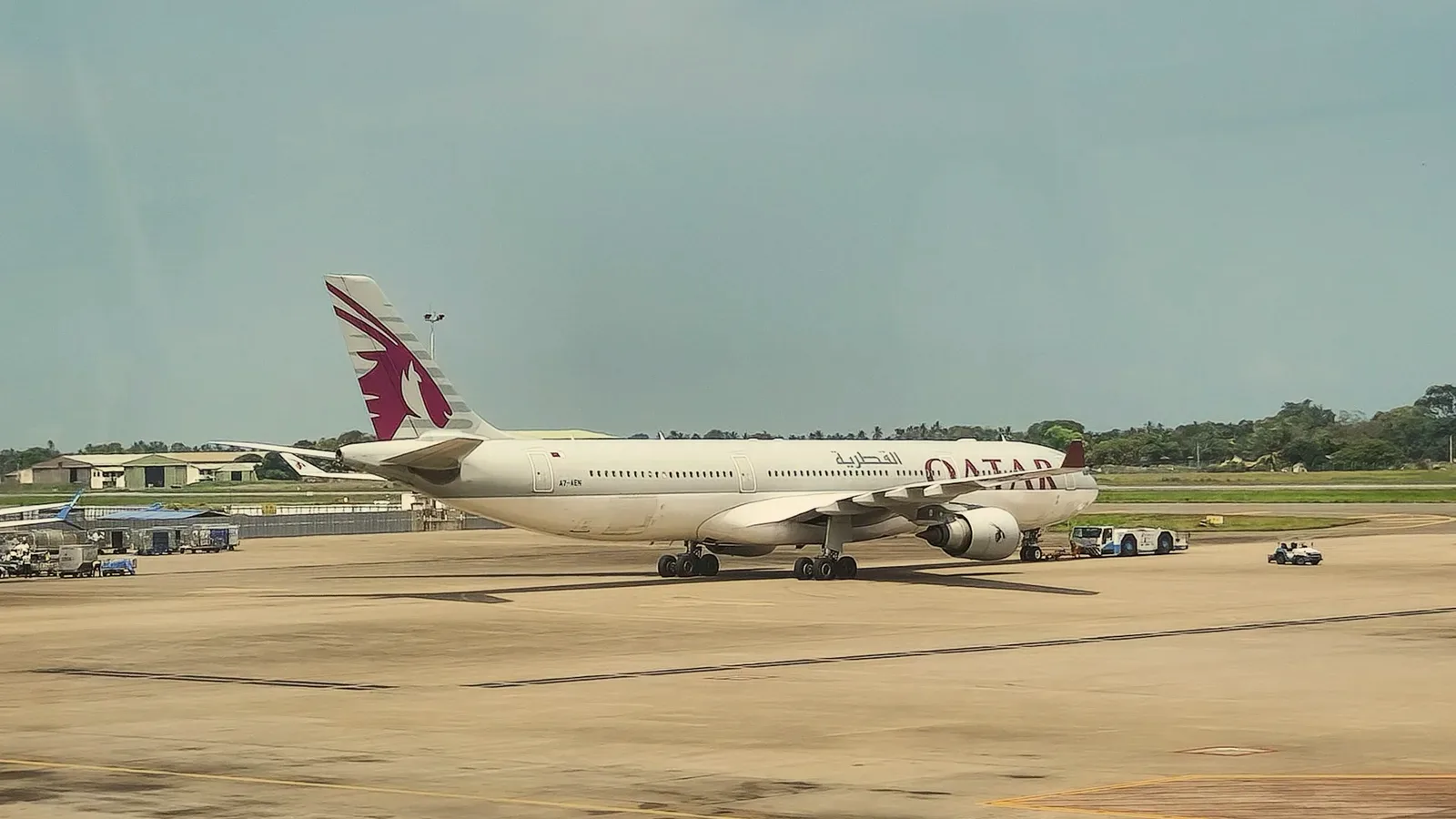
American is diverging sharply from Delta and United's disciplined capacity approach, growing Q2 seat capacity 5.4% and guiding to 3-5% more in Q3, even as quarterly profit collapsed 88% to $71 million and fare hikes offset only half the airline's higher fuel costs. Wall Street is openly questioning whether American should be cutting capacity rather than adding it, a tension that likely means continued fare and availability swings on North America's largest oneworld carrier. The airline is backing its growth push with network expansion: 12 new destinations for Q3 bring its total to 361 airports, second only to United's 375, including six new US markets and international additions — while dropping Doha from the map. Advisors booking American should expect more capacity and softer fares on growth routes, but also volatility if the airline reverses course later this year.
IATA Skips Airline Veterans, Names WEF's Zahidi as Next Director General
IATA has named World Economic Forum executive Saadia Zahidi as its next director general, taking over Nov. 1 and passing over airline-industry veterans after Willie Walsh's widely regarded tenure ends; Walsh becomes IndiGo's CEO on Aug. 3. IATA sets global settlement systems, distribution standards and advocacy positions on fees and taxation that touch every advisor's back office, so a leadership change of this kind is worth tracking even before concrete policy signals emerge. Zahidi's background is in economic and social policy rather than airline operations, which could shift IATA's tone on regulatory engagement, sustainability mandates or distribution modernization, including NDC. No concrete policy changes have been announced yet, but the appointment itself suggests IATA may be positioning for a broader stakeholder role rather than a narrower airline-trade-association one — a shift advisors should watch as it takes shape over the fall.
United Quietly Cuts MileagePlus Earning for Non-Cardholders
United has cut base mileage earning for non-cardholders by 2 miles per dollar while raising earning rates for United co-brand cardholders and extending them cheaper award redemptions plus mileage earning on basic economy fares. In effect, travelers who don't carry a United credit card now earn meaningfully less and get worse award access than before, while cardholders came out ahead. For corporate travel programs that don't mandate a co-brand card, this is a real devaluation of loyalty value on a program many rely on for status and awards; for programs that already issue the card, it strengthens the case for continuing to. Either way, this is a mid-year rules change worth flagging to travelers and T&E policy owners now, since it affects how MileagePlus balances should be valued in program comparisons and whether a co-brand mandate makes more sense going forward.
Southwest's Lounges Are Real. Its Fee 'Turnaround' Story Is Mostly Chase.
Southwest CEO Bob Jordan confirmed the airline is finally moving on airport lounges — with leases reported in Austin, Dallas, Nashville, Denver and Honolulu — alongside a new premium credit card priced between $395 and $650 annually, both aimed at the higher-spending business traveler Southwest has historically underserved. But the same earnings call undercuts Southwest's turnaround narrative: the fee-revenue gains being touted are driven largely by industrywide fare inflation, a larger Chase co-brand payment, and an accounting adjustment for expiring travel credits, not actual new bag or seat fees changing customer behavior. Advisors should read the lounge and card news as a genuine, multi-year push toward corporate travelers, but treat Southwest's current earnings framing with some skepticism until fee revenue reflects real changes in flyer behavior rather than bookkeeping.
Middle East Advisories Escalate as Fuel Costs Spike, Even as Beirut Reopens
The US, UK, Canada, Australia and New Zealand have re-escalated travel advisories on the UAE, Saudi Arabia and neighboring states as regional ceasefire talks have broken down, a direct trigger for duty-of-care review and rebooking flexibility on any Gulf itineraries booked now. The same flare-up is already hitting airline financials: IndiGo's fuel costs jumped roughly 80% year-over-year and pushed the carrier to a quarterly loss. In a partial counter-signal, the Trump administration lifted the 41-year US ban on flights to Beirut, though no US carrier has yet announced Lebanon service. The region is simultaneously getting riskier for near-term bookings and, in one narrow case, more open for future ones — treat Gulf itineraries as advisory-sensitive right now while watching Beirut as a possible new entry point later this year.
Hotel Suppliers Reshape Corporate Inventory: Wyndham Trims Budget, Hilton and Marriott Talk Connectivity
Wyndham is deliberately shrinking its budget-tier inventory, with US economy room counts down 3% while midscale-and-above counts rose 2%, as CEO Geoff Ballotti confirmed the company is replacing lower-fee economy properties with higher-fee midscale ones. Programs that rely on Wyndham's budget brands for compliant low-cost stays should expect negotiated and per-diem rate assumptions to drift upward as that inventory shrinks. Separately, Hilton and Marriott — the two largest hotel companies — are reportedly exploring new corporate-travel connectivity, per trade outlet The Company Dime, though details remain thin. If it advances, this could touch negotiated-rate loading, GDS/TMC integration or broader program consolidation for advisors juggling multi-brand hotel programs. Both are early-stage signals rather than finished changes, but both point the same direction: hotel suppliers are actively reshaping how, and at what price, they want corporate volume.
Premium Cabins: Doors That Won't Close, Seats That Now Cost Extra
Two supplier-side product changes affect what premium-cabin travelers actually get. New business-class suites from KLM, Lufthansa, United, American and JetBlue are flying with privacy doors locked open, because FAA and EASA certification for door-equipped seating hasn't caught up with the hardware — so travelers booking these routes for the marketed privacy feature won't get it yet. Separately, Lufthansa Group carriers (Lufthansa, SWISS, Austrian, Brussels Airlines) began charging for seat position within cabins on July 22, introducing a cheaper 'Back Seat' economy category and a paid First Row business option. Neither change affects base fares broadly, but both change what's actually delivered versus what's marketed or previously included, so T&E managers should update seat-selection guidance for travelers on these carriers rather than assume prior product expectations still hold.
Former United CEO: Investors Are Circling Cheap US Airlines
Former United CEO Oscar Munoz says outside investors who long avoided airline stocks are now circling undervalued US carriers, naming American, Alaska and JetBlue as the kind of names sophisticated capital could target for activist stakes or takeover interest. Airlines have historically been treated as uninvestable given thin margins and cyclicality, so Munoz's read — that low valuations paired with improved balance sheets are drawing serious money — is notable if it holds. For corporate travel buyers with multi-year contracts at any of the named carriers, this is a watch item rather than an action item today: an activist stake or take-private move could eventually affect route networks, service levels or contract terms, but nothing concrete has happened yet. Worth flagging to procurement teams managing long-term airline agreements.