Gulf advisories jump to Level 3 as ceasefire talks collapse
The US, Canada, UK, Australia and New Zealand all raised warnings on the UAE, Saudi Arabia, Qatar, Bahrain, Kuwait, Oman and Jordan to Level 3 (avoid non-essential travel) within days of each other, as Middle East ceasefire talks broke down. For advisors, this means immediate duty-of-care review and trip-approval holds on any client itinerary touching the Gulf, a compliance obligation that doesn't wait for a formal client request. Gulf governments are simultaneously rolling out fare sales and easier visa terms to offset the hit, which will tempt price-sensitive travelers, but the advisory status, not the deal, should govern approval decisions right now. Expect this to be a live conversation with any corporate account holding Q3/Q4 Gulf itineraries; document the hold-and-review process now rather than after a client books around it.
IATA skips airline veterans, hands the top job to a WEF economist
IATA named Saadia Zahidi, currently at the World Economic Forum, as its next director general, succeeding Willie Walsh effective November 1. Walsh departs to become IndiGo's CEO on August 3. Zahidi is both the first non-airline-insider and the first woman to lead the body that runs BSP settlement, agency accreditation and the industry standards advisors work under every day. A leadership change at this level is a structural event, not routine supplier news: it can reshape how accreditation, settlement and consumer-facing standards evolve over the coming years. Advisors won't see immediate operational impact, but the appointment signals IATA's board wants outside perspective on issues like sustainability and stakeholder relations rather than another airline-industry lifer. Worth flagging to agency principals watching BSP and accreditation policy direction.
American grows into the storm as Wall Street loses patience, and investors start circling
American Airlines grew Q2 capacity 5.4% and is guiding 3-5% growth in Q3, even as Delta and United pulled back. It offset roughly half its higher fuel costs with fare increases, yet profit still fell 88% year-over-year to $71 million, and the carrier is now guided to lose money in 2026. Analysts are openly questioning whether American should be shrinking its network rather than growing it. Adding to the pressure: former United CEO Oscar Munoz says investor interest in cheap US carriers, including American, Alaska and JetBlue, is picking up, hinting activist or take-private activity could be near. For advisors, this is a supplier-stability signal worth tracking on two fronts: possible capacity and fare volatility on AA routes, and ownership uncertainty for corporate accounts concentrated with a single struggling carrier.
Southwest's premium pivot is real, but the reported turnaround is a credit-card story
CEO Bob Jordan confirmed signed airport lounge leases in Austin, Dallas, Nashville, Denver and Honolulu, tied to a forthcoming premium co-brand card priced at $395-650 annually, a genuine strategic shift for a carrier built on no-frills positioning. But the accounting behind Southwest's celebrated 'transformation' tells a narrower story: the reported gains trace largely to a change in travel-credit expiration assumptions, with breakage dropping from an assumed 15% to 12%, plus Chase card revenue, not new bag and seat fee demand. Advisors fielding client questions about Southwest's turnaround should separate the two threads: the premium ecosystem build-out is worth watching for future corporate positioning, but the current earnings narrative rests more on accounting and card economics than on operational improvement.
United quietly makes its co-brand card mandatory for good MileagePlus value
United cut base mileage earning by 2 miles per dollar for travelers without a co-brand card, eliminated earning entirely on basic economy fares for non-cardholders, and now offers cardholders 10-15%+ off award redemption pricing on top of boosted earning rates. Together these changes mean a United-branded card is no longer a nice-to-have for frequent flyers on the carrier; it's the difference between a functional loyalty program and a materially worse one. Advisors managing United-heavy corporate accounts should flag this now: travel managers may need to revisit whether enrolling frequent travelers in a business co-brand card is the only way to preserve MileagePlus value that used to come standard, particularly for accounts that lean on basic economy fares for cost control.
Hotel chains recalibrate the corporate rate ladder
Two separate hotel-side moves point the same direction. Hilton and Marriott are reportedly exploring new corporate travel connectivity that could change how negotiated rates and RFP data flow to TMCs and advisors, though details remain thin. Meanwhile Wyndham confirmed a deliberate portfolio shift: US economy-tier rooms (think Super 8, Days Inn) fell 3% while midscale-and-above inventory grew 2%, even as total room count held flat, part of CEO Geoff Ballotti's stated strategy to trade lower-fee rooms for higher fee-per-available-room product. Individually neither is dramatic; together they suggest less budget-tier inventory and upward pressure on corporate per-diems across major chains. Advisors heading into rate renewal season should expect these conversations to skew higher and budget-tier options to keep shrinking.
American adds 12 destinations for Q3, expands to 361 airports
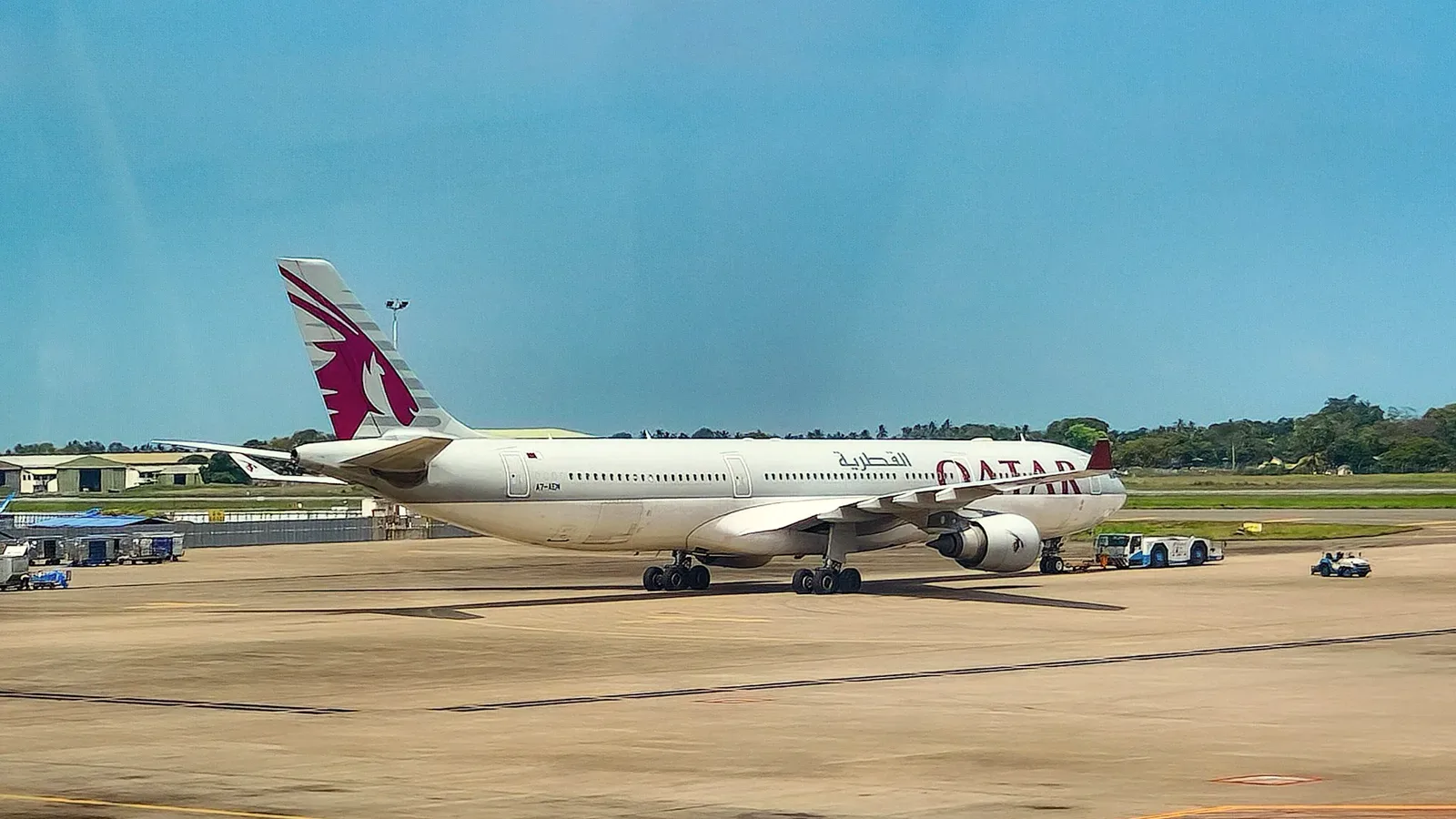
American Airlines added 12 destinations for the third quarter, growing its network to 361 airports, according to Cirium schedule data. New-to-network additions include Staunton/Waynesboro, Virginia and Vero Beach, Florida, alongside other domestic and international markets, while Doha is being dropped from the route map. Advisors with clients in the newly added markets gain fresh nonstop options worth checking against existing corporate routing agreements and negotiated fare structures. The Doha cut is worth flagging separately for any accounts with Middle East itineraries that relied on that routing, especially alongside this week's Gulf travel advisory escalation. Route network changes like this move fast relative to corporate travel policy updates, so it's worth confirming which of the 12 markets actually intersect with active client itineraries before the next booking cycle.
New business class suites are flying with the privacy doors stuck open
The newest business class suites on KLM, Lufthansa, United, American and JetBlue are flying with privacy doors locked open, seats blocked from sale, or doors removed entirely, because FAA and EASA certification hasn't caught up with door-equipped suite designs on the latest aircraft. It's a regulatory snag rather than a design flaw, but it means the marketed privacy feature isn't reliably present in the cabin today. Advisors selling premium product on these carriers should set client expectations accordingly: door functionality may be inconsistent for months, and clients booking specifically for suite privacy could be disappointed on delivery even when the seat map shows the newest configuration. Worth a proactive note to premium-cabin corporate travelers rather than letting them discover it at the gate.