Ben Gurion Congestion Fixed — But the 72-Hour Return Clause Is Real
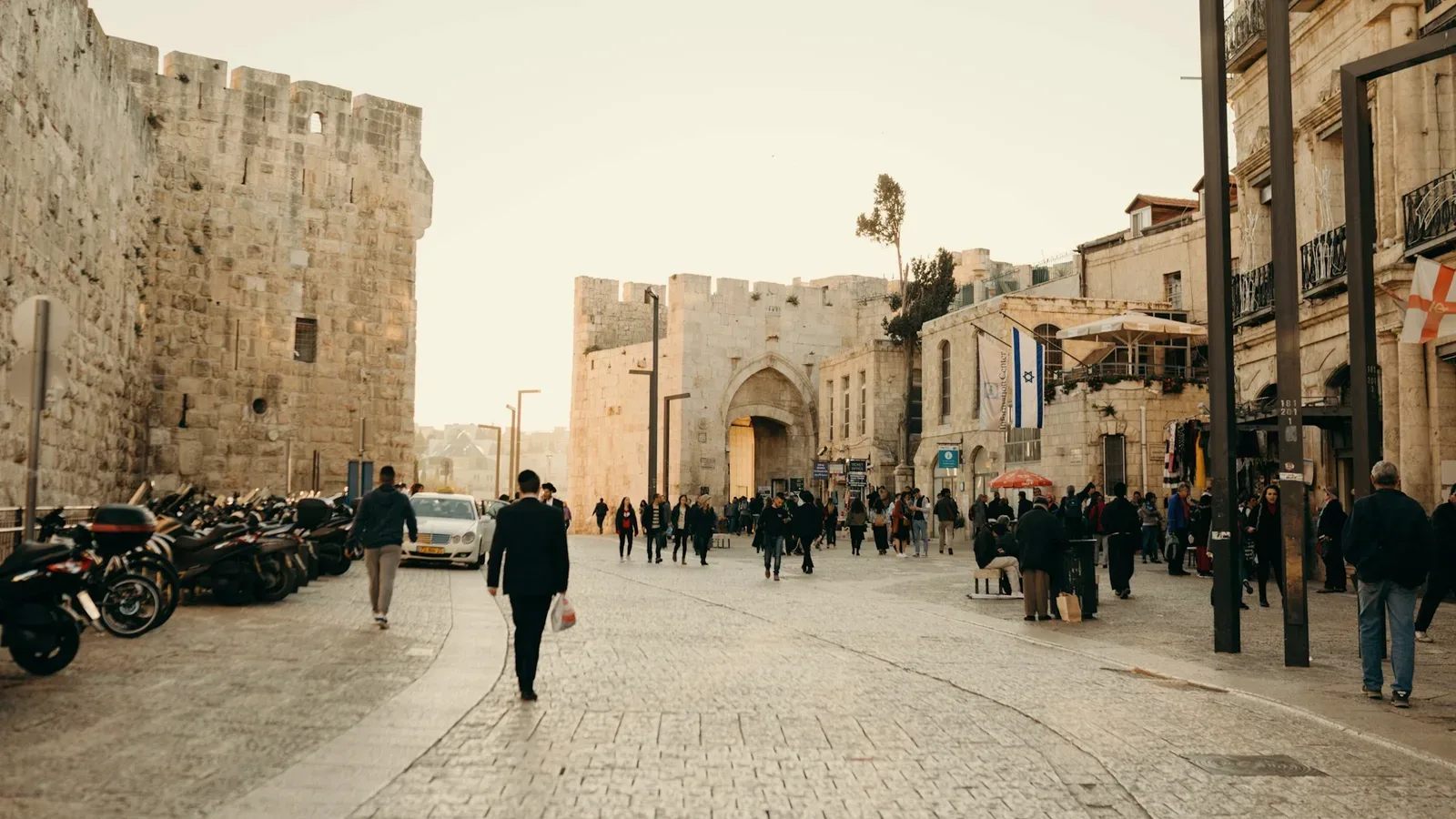
Israel's Transportation Ministry confirmed Friday that 50 US military refueling and cargo jets will vacate Ben Gurion in two tranches: 30 aircraft move to Israeli Air Force bases by Tuesday, with the remaining 20 to follow. Fifteen had already relocated since June 15. The deal resolves an acute crisis: without it, only 65 of 99 civilian parking stands would have been available in July — below the 80-stand minimum — and all 99 would have been blocked in August, threatening roughly 200,000 passenger cancellations as daily loads climb from 65,000 now toward a projected 100,000 in August.
Advisors can now confirm summer departures and release contingency blocks. The critical caveat: jets can return within 72 hours if US-Iran tensions escalate — and that exchange of fire is active (see below). Separately, Washington is weighing redistributing US military assets away from its damaged Bahrain base toward Israeli Air Force facilities, which, if it materializes, would make Ben Gurion's civilian capacity structurally more durable. Monitor daily.
US-Iran Exchange of Fire: The Mechanism That Could Reopen Every Summer Risk
A cascade of strikes now defines the regional security backdrop. Iran drone-struck a Singapore-flagged cargo ship in the Strait of Hormuz Thursday; the US retaliated Friday, hitting Iranian missile and drone storage facilities and coastal radar sites. Iran then struck what it described as "US-linked targets" and launched drones at Bahrain — host of the US Navy's 5th Fleet. Satellite analysis puts damage to the Bahrain base at roughly $386 million, with the command center inoperable and housing for 450 personnel hit. A second tanker was struck by an unidentified projectile over the weekend. Iran warned Gulf states against aiding US operations; the IRGC promised a "swift and decisive" response. The IMO suspended its voluntary ship evacuation program.
For advisors: this escalation is the precise trigger that would send US jets back to Ben Gurion within 72 hours and activate suspension clauses held by reinstated carriers including Lufthansa and Delta codeshares. Daily monitoring is essential through August.
Lebanon Framework Signed — Hezbollah Immediately Rejects It
The US, Israel, and Lebanon signed a trilateral framework in Washington on Friday. The terms: the IDF withdraws only after the Lebanese Army verifiably disarms Hezbollah and dismantles its infrastructure, beginning with two pilot zones. Lebanon's President Michel Aoun called it "a first step to restoring Lebanon's sovereignty." Hezbollah did not concur. Leader Naim Qassem said Israel must leave Lebanon "humiliated and defeated" and that Hezbollah would "hold on to its weapons even more." The group's political bureau called the deal a "gift to the enemy" and warned that enforcement would require civil war.
On the ground, four IDF soldiers were wounded in a grenade attack near Beit Yahoun Thursday, and the IDF chief clashed publicly with cabinet ministers over alleged restrictions on troops. For advisors holding northern itineraries — Haifa, Tiberias, Rosh Hanikra — the signed text is a positive signal, but Hezbollah's stated non-compliance remains the operative risk. Book the north conservatively.
El Al Suspends Tel Aviv–Moscow Route: No Resume Date
El Al canceled LY611 (TLV–Moscow) effective June 25 after Ukraine's largest-ever drone strike on Moscow — approximately 200 drones that temporarily shut all four Moscow airports and forced cancellation of more than 500 flights. El Al cited "developments between Russia and Ukraine and recent aviation incidents" and said a fresh situational assessment would be made next week, with July bookings potentially reinstating. Passengers were notified and offered rebooking options under Israeli law.
This is not the first suspension: El Al pulled this same route for four months following the December 2024 Azerbaijan Airlines shootdown. There is no confirmed resume date, making it impossible to hold space speculatively. Advisors with TLV-Moscow itineraries — particularly for Russian-speaking diaspora clients or tour groups connecting through Moscow — should rebook immediately before demand absorbs remaining alternatives.
Eilat: Shin Bet Warning and Jet-Ski Infiltration — Resorts Open, Navy Patrolling
Approximately three weeks ago, Israel's Shin Bet issued a warning of a potential mass-casualty attack on Eilat. An actual infiltration attempt followed: a jet ski from Jordan entered Israeli territorial waters in the Gulf of Eilat before a Navy patrol vessel intercepted and forced it back. Local officials report that calm has since returned and hotels and businesses are operating normally. The Navy maintains a heightened patrol posture in the Red Sea approaches, and Arava border communities remain on elevated alert.
Eilat hosts flagship properties from Dan, Isrotel, and Fattal, along with diving operators and Red Sea cruise embarkation points. Advisors placing clients here should disclose the elevated but actively managed security environment, verify current hotel-level assessments before booking, and confirm that tour operators have updated local emergency protocols. The threat is documented and being actively managed — it is not preventing normal resort operations.
El Al Enters Hotel Distribution at Scale — 1.5 Million Properties, Agent Access Unclear
El Al has launched a travel-tech platform embedding 1.5 million hotel properties globally into its digital booking ecosystem, stepping directly into OTA and agency territory. The commercial implication runs in two directions. If this inventory remains exclusive to El Al's consumer channels, it becomes a disintermediating tool that captures hotel revenue advisors would otherwise earn on bundled Israel itineraries. If El Al opens it to agents via NDC or its agency portal as a commissionable product, it becomes a potentially competitive distribution channel.
El Al has not publicly clarified the access model. Advisors should contact their El Al account manager now — before clients discover and book independently — to determine whether the content is accessible through professional channels and what the commission structure looks like. Understanding the model proactively is considerably easier than unwinding direct bookings after the fact.
Tourism Ministry's Russia Campaign Draws Formal Ukrainian Diplomatic Protest
Israel's Ministry of Tourism is running an active campaign targeting Russian tourists, working with influencers, wholesalers, travel agents, and airlines. As part of that campaign, the Ministry publicly hosted and promoted Denis Ustimenko — Russian rapper GeeGun, approximately 5 million Instagram followers. Ukraine's embassy filed a formal diplomatic protest with Israel's Foreign Ministry, noting that Ustimenko has appeared on Ukraine's national sanctions list since 2023 for supporting Russia's war effort. The Ministry has not responded publicly.
For advisors: Russia-sourced inbound bookings flowing through Ministry-affiliated campaign channels could face complications if the dispute prompts a policy review. Advisors marketing Israel in pro-Ukraine markets — the UK, US, and EU broadly — should be prepared for client questions about Israel's positioning. Watch Ministry communications for any adjustment to the campaign's public-facing elements.
Peridance in Israel June 29–July 5: A Concrete Normalization Signal for Cultural Bookings
New York's Peridance Contemporary Dance Company — a four-decade institution with credits at Lincoln Center and the Kennedy Center — arrives this weekend for performances in Haifa, Herzliya, and Jerusalem running through July 5. Israeli cultural press describes it as among the first international contemporary performing arts companies to return to Israeli stages since the war began.
The commercial impact of a single company's visit is modest. The value for advisors is concrete: it provides a verifiable, named international arts organization actively choosing to perform in Israel, which is a more credible normalization talking point than general statistics. Use it when nudging fence-sitting clients toward cultural itineraries in Tel Aviv, Jerusalem, and Haifa where hesitation stems from perception of cultural isolation rather than security concerns. The company, the dates, and the venues are all confirmable.