Longevity Biotech Pulls $3.7B in Q1 — Six Senses Crans-Montana Shows the Clinical Payoff
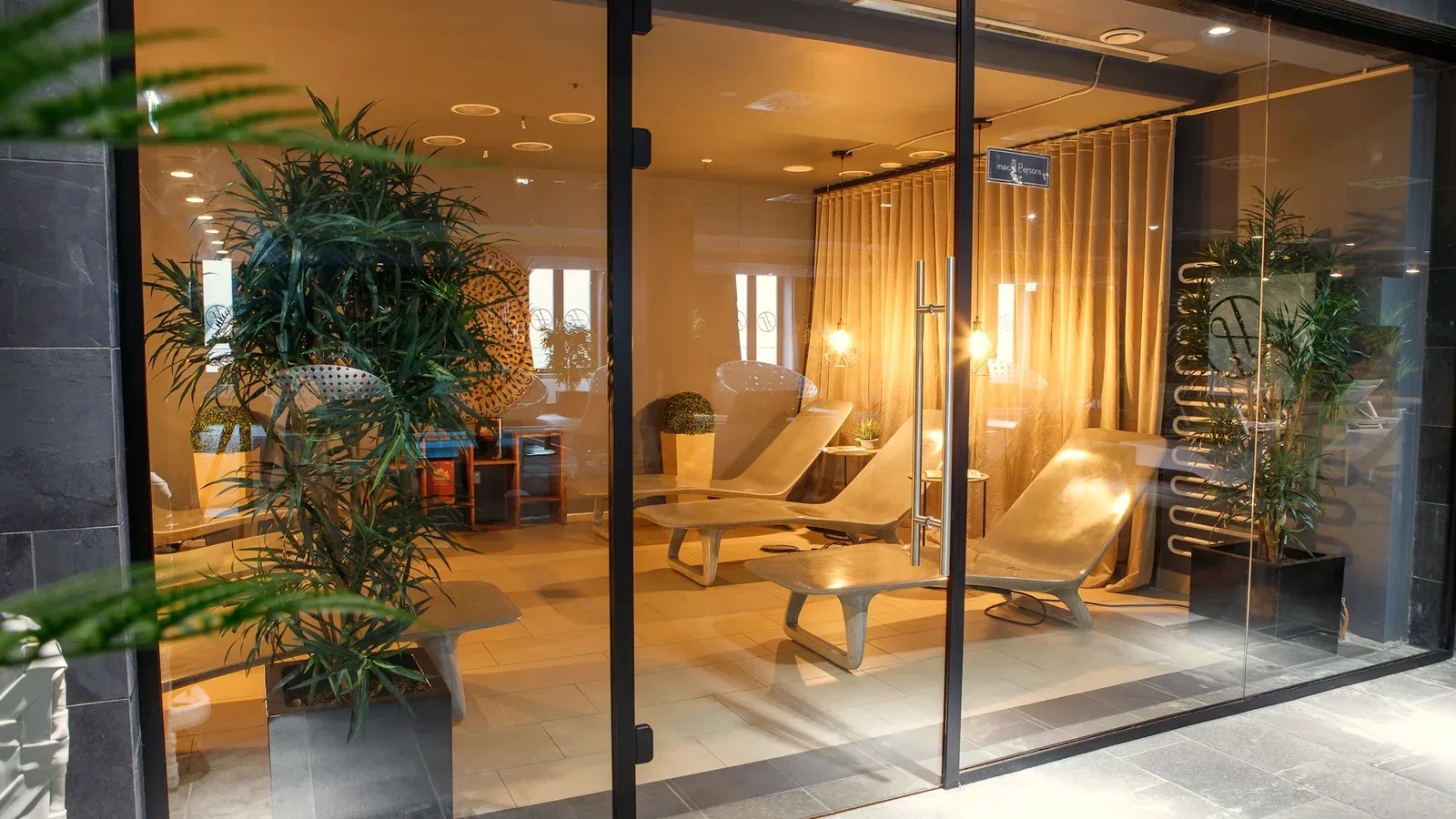
Longevity biotech attracted $3.7 billion in venture and institutional capital in Q1 2026 alone — a figure that dwarfs comparable quarters in recent years and signals that clinical protocols at SHA Wellness, Lanserhof, Clinique La Prairie, and Mayrlife are set to accelerate. The money is already reaching the treatment shelf: Six Senses Crans-Montana has introduced Intermittent Hypoxic-Hyperoxic Training (IHHT), a validated cardiovascular and mitochondrial-efficiency modality previously confined to European medical spas. IHHT alternates oxygen-rich and oxygen-reduced breathing cycles to improve cellular energy production and VO₂ max — outcomes measurable enough to satisfy biohacking-oriented executives. For advisors, the double signal is commercial: clients asking about longevity programs are now operating in a category that capital markets have formally validated, and flagship properties are pricing accordingly. Expect waitlists and per-night rates at IHHT-adjacent programs to move upward within the next two program cycles.
GWI Designates Climate Resilience a Bookable Category — Advisors Have an 18-Month Window
The Global Wellness Summit's June 2026 trend report — "Ready Is the New Well" — moves climate resilience from theoretical to bookable. The GWI names Refugia, a Calgary-based operator running climate-grief immersives, as a lead commercial example, alongside Japan's emerging disaster-prevention tourism circuit and a projected near-term market of nervous-system-repair retreats staffed by eco-anxiety therapists. The structural tailwinds are real: Scandinavian governments already fund eco-anxiety hotlines; Gallup puts U.S. adult concern about climate change at 44%. For advisors, the GWI designation is an early-mover signal — the moment an official trend report names specific bookable operators, institutional supply typically follows within 12 to 18 months and margins compress. Advisors who build a climate-resilience sub-portfolio now — even a short-list of vetted immersives — can command positioning authority with clients experiencing eco-grief, wildfire PTSD, or anticipatory climate anxiety before the category commoditizes.
Maslina Resort Wins Croatia's First National Sustainable Tourism Award
Maslina Resort on Hvar Island has received Croatia's inaugural national sustainable tourism recognition — a government-issued, first-of-kind designation that hands advisors an unusually clean third-party validation against client greenwashing concerns. The property's Pharomatiq Spa (7,000 sq ft) integrates aromatherapy steam, Finnish sauna, cold-water immersion, and a hydropool, supplied by a 75,000 sq ft on-site organic garden whose estate-grown botanicals feed signature treatments directly. That farm-to-treatment supply chain, combined with a heritage olive-grove site, positions Maslina in a different tier from Mediterranean spa hotels carrying only private certification marks. For advisors mapping alternatives to congested Italian and Greek wellness destinations, Hvar offers materially shorter flight times from the UK and Central Europe, competitive nightly rates, and a now government-endorsed sustainability narrative that requires no editorial qualification from the advisor's own desk.
Women's Witchcraft Retreats Cross into Mainstream — Ireland Emerges as Lead Destination
Guardian-level coverage of coven and sisterhood retreats drawing U.S. women to Ireland's woodlands confirms that spiritual/witchcraft retreat travel has crossed the threshold from subcultural niche to bookable market segment. The retreats are week-long, immersive, and counter-institutional by design — participants explicitly seek experiences outside conventional therapy and organized religion, which means mainstream resort spas will not absorb this demand. Ireland has emerged as the primary destination geography, with established operators working from woodland and rural settings. For advisors specializing in women's wellness group travel, the opportunity is to identify and vet Irish retreat operators before supply normalizes and before OTA aggregators create category pages. The client psychographic — U.S. women's groups, roughly 30–55, with high transformational-travel intent and willingness to pay for week-long programs — ranks among the highest-revenue group formats in the wellness travel segment.
TRYBE Overnights Enables Single-Checkout Spa, Room, and Dining Packages
TRYBE Software has launched TRYBE Overnights, allowing guests to book treatments, accommodation, and dining in one transaction. Current integrations cover Guestline and Mews, with Oracle Opera Cloud access planned for later in 2026; ResDiary and Sevenrooms are also named. The commercial case is direct: pre-arrival spa booking gaps are among the most common causes of advisor-referred clients arriving at properties without secured treatment time. TRYBE's platform data shows an average upsell value of £266 per booking, and beta properties report measurable reduction in front-desk conversion friction — which typically translates to higher treatment uptake and stronger client satisfaction. The immediate advisor action is to verify whether preferred spa properties have adopted the system and to add a TRYBE Overnights pre-booking prompt to standard pre-departure client briefings.
- Live PMS integrations: Guestline, Mews, ResDiary, Sevenrooms
- Oracle Opera Cloud integration coming later in 2026
- £266 average upsell value per booking on existing TRYBE platform