EU Mandates Carry-On Default Fares and Reinforces EC261 — Two Pro-Traveler Wins in One Week
The European Parliament reached final agreement on two separate passenger-rights measures this week. First, airlines operating EU flights must display fares inclusive of a full-size carry-on bag (≤100cm, 7kg) and a personal item by default before booking begins; travelers may opt out for a discount, but the bare-fare presentation that has obscured LCC true costs on GDS and corporate booking platforms is structurally prohibited. Ryanair has already called the rule "regulatory nonsense" — its ancillary-revenue model faces the most direct disruption when implementation arrives in 2027. Brief procurement teams now so booking-tool logic and fare-comparison policy can be updated ahead of the mandate. Second, after a 13-year stalemate, EC261 cash compensation tiers of €250–€600 are confirmed intact and modestly strengthened — airline lobbying to raise delay thresholds and cut payouts failed entirely. Existing disruption-claim workflows need no revision.
Marriott Owner Revolt Threatens Bonvoy Award Economics — Transfer Deadline Is June 30
A bloc of 51 property owners representing roughly 1,000 Marriott hotels is demanding OTA-parity reimbursement for Bonvoy award stays, pointing to Marriott's co-branded card fees — up approximately 35% to around $1 billion in 2026 — as proof the program monetizes their inventory without fair compensation. If owners prevail, award prices rise and redemption inventory tightens, particularly at peak periods. The threat makes the current Chase→Bonvoy 55% transfer bonus acutely time-sensitive: this may be the most favorable conversion window before structural devaluation arrives. Corporate clients with summer Bonvoy redemptions should execute transfers before June 30.
- Chase → Bonvoy: 55% bonus through June 30 (1,000 pts → 1,550 pts)
- Amex → Bonvoy: 20% bonus through June 30
- Bonvoy → United: 25% through June 30 for multi-step optimization
Chase Cuts Sapphire Preferred's Hyatt Transfer Ratio — First Sub-1:1 Move in Chase History
The Chase Sapphire Preferred refresh introduces the program's first-ever sub-1:1 transfer ratio: World of Hyatt drops to 4:3 on the Preferred, effective immediately for new applicants and October 1 for existing holders. The Sapphire Reserve personal and business cards retain 1:1 parity. For advisors who have positioned the Preferred as a sufficient Hyatt-funding vehicle — particularly for clients staying at Park Hyatt, Andaz, or Alila on executive itineraries — that guidance changes now. The refreshed card adds a doubled $100 hotel credit, new 3x earning categories, and a 100,000-point welcome bonus, but none of those offset the Hyatt redemption math for point-stay arbitrage users. Clients who rely on Chase→Hyatt pathways should migrate accumulation to the Reserve or diversify into alternative Hyatt earning channels before October 1.
Riyadh Air Clears DOT Permit — US–Saudi Fare Competition Moves From Theoretical to Imminent
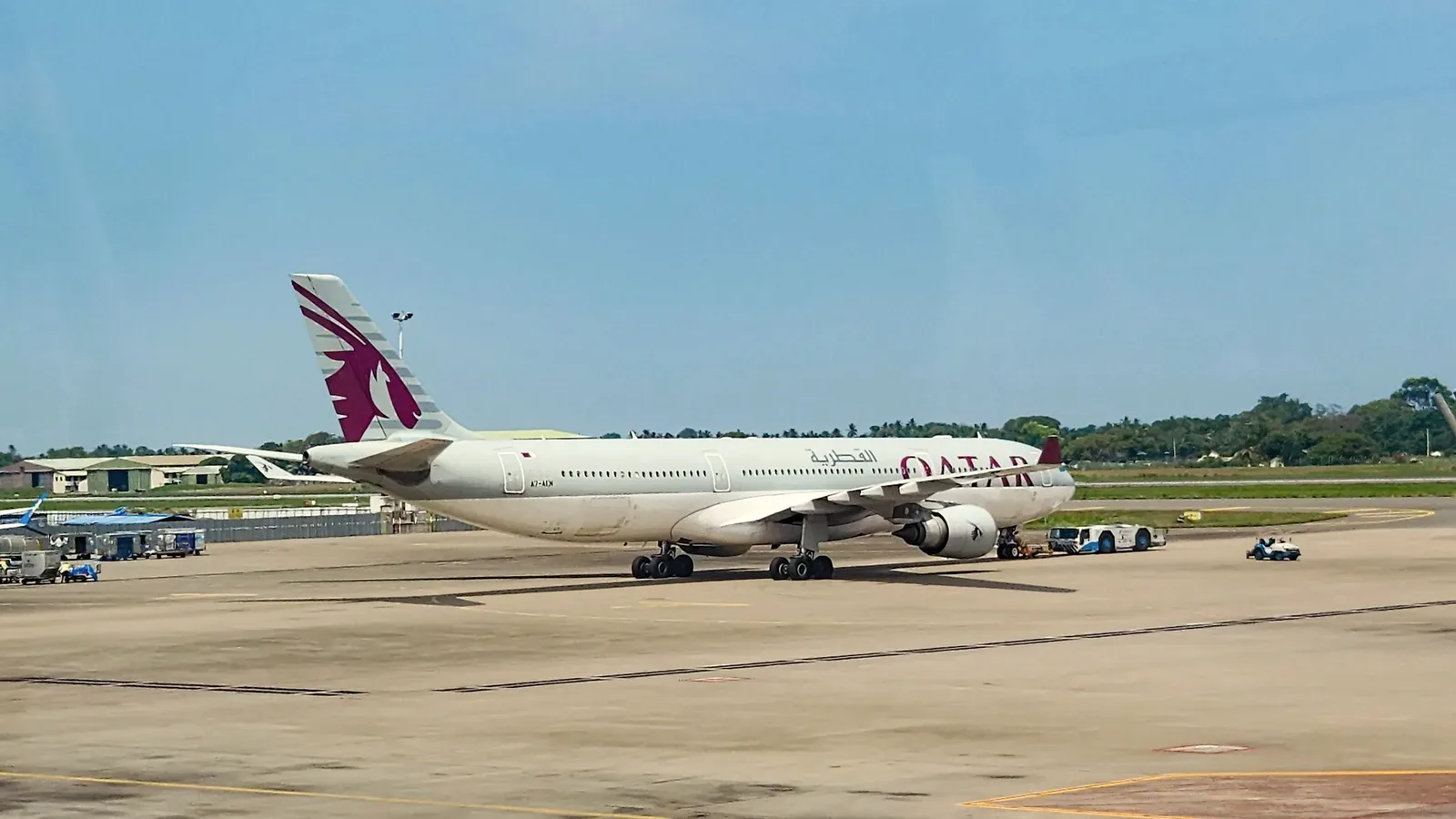
Riyadh Air received its U.S. Department of Transportation foreign air carrier permit on June 16, removing the primary regulatory barrier to US–Saudi Arabia passenger and cargo service. The Saudi sovereign-backed carrier holds a commercial partnership with Delta and has 72 Boeing 787-9s on order, with East Coast US cities among its stated targets for a planned 100-plus-destination network by 2030. No inaugural schedule has been published, but fare competition on Qatar Airways and Emirates US–Gulf corridors is now a near-term probability rather than a distant prospect. Advisors with energy-sector, defense, or government clients routing through Riyadh should monitor launch timing closely. Watch also for introductory pricing on competing carriers as Riyadh Air's entry draws closer.
IAG Forces Aer Lingus Cuts Despite Record Margins — Dublin Pre-Clearance Routing at Risk
Aer Lingus posted an 11.1% operating margin — its second-best result on record — yet faces imminent route and headcount cuts imposed by parent IAG, whose 12–15% portfolio-wide margin mandate overrides relative outperformance. The cuts carry outsized significance for US corporate travel: Aer Lingus is the only carrier offering US Customs and Border Protection pre-clearance from Dublin, enabling transatlantic passengers to land as domestic arrivals and bypass US immigration queues at East Coast hubs. Route reductions will directly shrink that pre-clearance routing pool; surviving service will likely see fare hardening from reduced capacity. Advisors with clients who use Dublin as a transatlantic transit hub should identify backup itineraries now and flag this exposure to procurement teams ahead of the formal announcement.
Delta Drops 14 Florida Non-Hub Routes — Smaller Markets Lose Nonstops, Fares Will Firm
Delta is eliminating 14 point-to-point Florida routes that bypass its hub structure, affecting roughly 1.2 million annual passengers on corridors where the airline held thin competitive positions. These are not Atlanta- or JFK-fed markets — they are direct city-pairs where corporate clients built nonstop itineraries or avoided hub connection times altogether. Affected travelers face a forced shift to hub-routed connections or a carrier change to American or Southwest where alternatives exist. On Delta's surviving Florida network, the capacity reduction will apply upward pressure on fares. Advisors should audit Florida travel across their client base immediately, identify impacted routes using Delta's published change list, and initiate rebooking or preferred-carrier updates before inventory adjustments take hold.
Thai Airways Standardizes Widebody Cabin on VantageNOVA From Mid-2027 — First Class Eliminated
Thai Airways will deploy Thompson Aero's VantageNOVA business-class suite — the same hardware Delta is installing on its A350-1000 fleet — across its entire 777, 787, and A350 widebody fleet beginning mid-2027. The change resolves Thai's longstanding cabin inconsistency, which has complicated premium-cabin advisory on Southeast and South Asia itineraries for years. Star Alliance mileage redemption values and upgrade economics shift when the product goes live; advisors placing clients on Bangkok connections or Thai's broader network should factor the 2027 cabin upgrade into current itinerary conversations.
- First class eliminated across the full widebody fleet
- Front-row premium tier introduced as a business-class-plus product replacing first
- Premium economy added across all three aircraft types
- VantageNOVA is the same Thompson Aero product Delta deploys on A350-1000s
JAL Bans All 6,000 Cabin Crew From Layover Alcohol After Third Incident in Twelve Months
A May 23 incident in which two Japan Airlines flight attendants drank past the 12-hour pre-duty cutoff caused a 42-minute delay on Hiroshima–Haneda — the third alcohol-related operational incident at JAL in under a year. The airline has responded with a blanket layover alcohol ban for all 6,000 cabin crew; the CEO has now taken a third consecutive 30% pay cut; and Japan's Civil Aviation Bureau issued a formal stern warning, signaling potential regulatory enforcement ahead. For advisors managing corporate clients on tight JAL connections through Tokyo, this is a pattern — not an isolated event — and constitutes a measurable operational reliability risk. Routing time-sensitive itineraries through ANA or another Star Alliance partner on Tokyo connections is a conversation worth having with clients now.