Six Senses Vana: Physician-Led Program Architecture Confirmed Post-Acquisition
CN Traveller's detailed review confirms the 2023 Six Senses acquisition left Vana's clinical structure entirely intact. Mandatory arrival medical consultation, physician-prescribed multi-modal programming (Ayurveda, Tibetan medicine, TCM, natural therapies), a seven-night minimum stay, and a public-space phone ban all remain in force. Guests receive two daily therapies plus structured movement and contemplative practice — a cadence closer to SHA Wellness or Ananda than to a standard branded resort.
For advisors, this is the green light to position Vana as a medically supervised integrative program at Himalayan luxury rates, not a hotel with a good spa. Minimum-stay bookings at current room rates make it one of the highest-commission-value opportunities in South Asian wellness. The Alchemy Bar, specialty workshops, and evening talks provide upsell anchor points during client consultation. File Vana alongside Clinique La Prairie and Lanserhof in your medically supervised program category — not in your branded resort column.
Harvard's Longevity Report and NewLimit's $435M Raise Cross a Credibility Threshold
Harvard Health Publishing released its first report dedicated entirely to longevity science, bringing geroscience, biological aging clocks, and preventive medicine to a mainstream consumer readership. In the same news cycle, longevity biotech NewLimit closed a $435M raise to advance its first anti-aging therapeutic toward clinical trials in 2027.
The commercial implication is timing, not education. HNW clients who subscribe to Harvard Health newsletters will arrive at advisor conversations already primed — no longer needing to be sold on the category's validity. That compresses the sales cycle and raises the stakes for which operators advisors have front-loaded in their proposals. Clinique La Prairie, Lanserhof, SHA Wellness, and Mayrlife are the properties most likely to see waitlist tightening as mass-market longevity awareness builds. The NewLimit clinical timeline also signals that within 12–18 months, medical-longevity travel will face direct budget competition from clinic-based therapeutic interventions — raising the urgency for property operators to deepen their experiential differentiation now.
Largest Menopause Exercise Study Yet: 84% Improvement, and Retreats Without a Hormonal-Health Track Are Now Behind
A 267-person Peloton/Respin study — the largest real-world clinical dataset on exercise and menopause — found 84% of participants aged 40–65 reported meaningful symptom improvement, with fatigue, brain fog, and memory issues improving 26–41% and sleep quality rising. Simultaneously, Pvolve launched a six-week Menopause Strong Plan developed with Hers' chief medical officer, establishing a medically designed program template that retreat operators can benchmark against.
For advisors, the implication is structural: wellness operators without dedicated perimenopause and menopause programming — covering muscle preservation, hormone-linked sleep disruption, and metabolic health — are now measurably exposed to competitive pressure from properties that offer physician-guided women's health tracks. Female clients aged 40–65 are a core wellness travel demographic. Audit your portfolio now: which properties have documented clinical protocols for this cohort, and which are offering generic spa services? The clinical framing also gives advisors a fact-based upsell that moves the conversation from relaxation to evidence-backed outcomes.
Cold Plunge and Sauna Become Gen Z Social Identity — Not a Spa Amenity
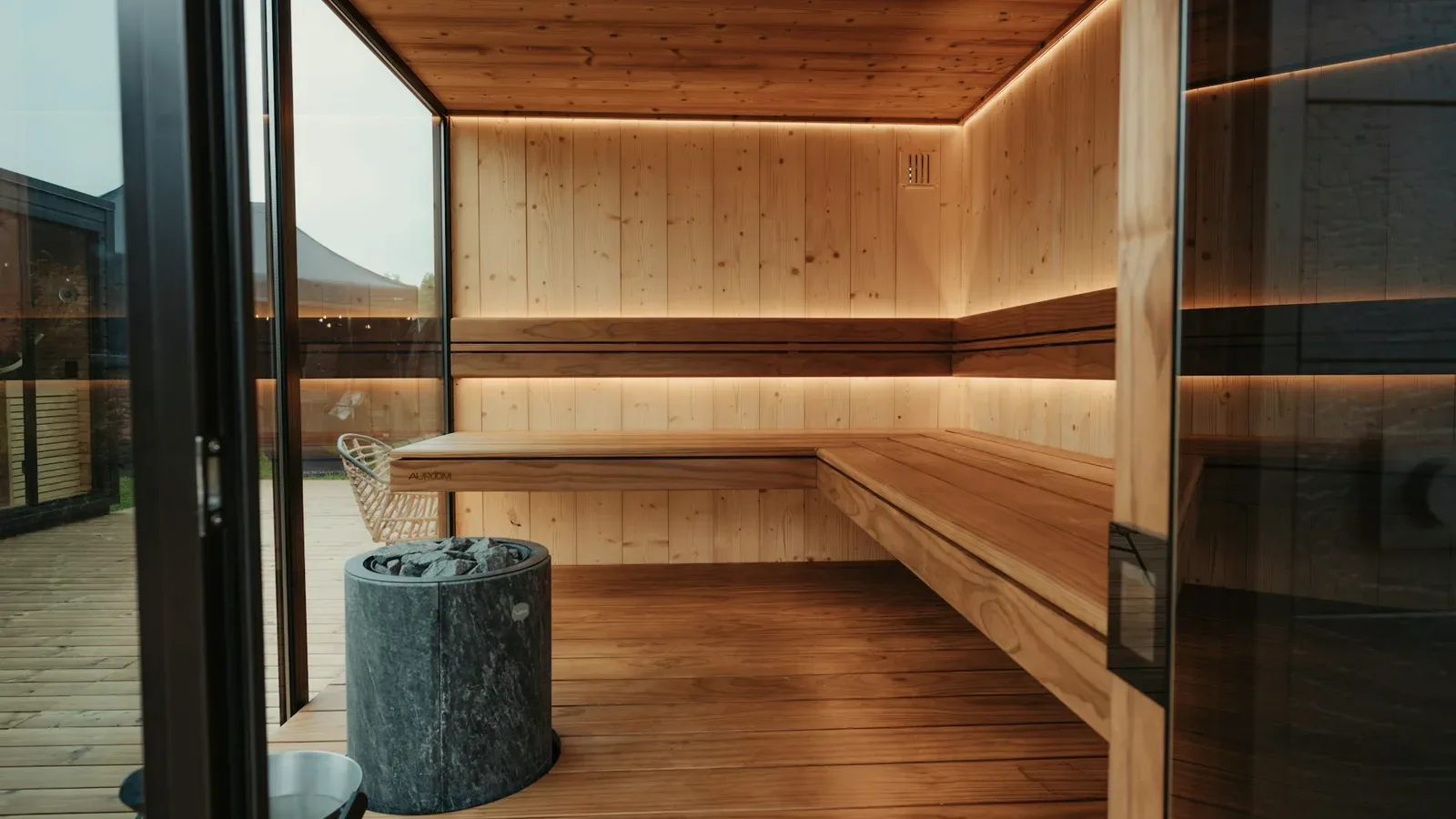
Global Wellness Summit reporting confirms cold plunge and sauna circuits are shifting from recovery tools or spa add-ons to primary social experiences for Gen Z. Affluent younger consumers are holding birthday events and group gatherings at premium thermal facilities — choosing the experience as a statement of identity and community, not as a wellness outcome.
For advisors working with under-35 HNW clients, this changes the qualifying question. Properties whose thermal offering is a footnote in the spa menu risk irrelevance with this cohort; properties with dedicated Nordic-format circuits — outdoor plunge pools, contrast therapy suites, social sauna formats — gain a booking rationale that bypasses the traditional wellness pitch entirely. Lefay Resort's thermarium and newer Nordic-concept spa properties are positioned to benefit. The trend also puts quiet product-development pressure on operators who have not upgraded thermal infrastructure in recent years. Surface thermal circuit depth as a specific matching criterion when positioning properties to younger clients.
Explora Journeys: Fleet Doubling to Six Ships by 2028, Wellness Cited as the Conversion Driver
Explora Journeys president Anna Nash — previously at Aman, Rosewood, and Orient-Express — confirmed fleet expansion from two ships to six by 2028 and disclosed that 30% of current guests are first-time ocean travelers. Nash identified the spa, indoor/outdoor gymnasium, and ocean wellness programming as the primary reasons first-timers say they wished they had booked sooner.
The positioning is deliberate and advisor-relevant: Explora is not a cruise line with a spa but a floating wellness hotel — MSC Group-backed, operating in brand language that maps directly to Six Senses and Aman conversations rather than Celebrity or Viking. The 30% first-timer share is a clean signal that cruise-resistant wellness clients can be converted; the pitch is a hotel stay that relocates. Fleet doubling through 2028 also means current inventory constraints on the first two ships will ease materially, reducing urgency pressure advisors now face when presenting Explora. Priority is building familiarity with the product before availability opens up demand.
Two Institutional Reports Confirm Luxury Is Decoupled From Macro — Premium Wellness Pricing Holds
Colliers' 2026 hospitality outlook and HVS's NYU IHIF takeaways reach the same conclusion from separate data sets: ultra-high-net-worth travelers are driving luxury and resort performance with near-zero price resistance, while overall U.S. lodging demand grows at a modest 1.3%. Colliers explicitly documents bifurcated consumer spending with the luxury tier operating independently of macro conditions.
For wellness advisors the practical effect is twofold. First, there is no institutional basis for rate hesitation when booking destination spa and longevity programs at Canyon Ranch, Miraval, Chiva-Som, or SHA — the data supports holding or raising program rates without client justification. Second, the same premium demand compressing occupancy at top-tier properties also compresses availability. Early-booking advisories and waitlist management conversations are appropriate now, not at the standard 90-day horizon. Use the Colliers and HVS data points directly in operator rate discussions: the evidence is in, and it runs in the luxury segment's favor.