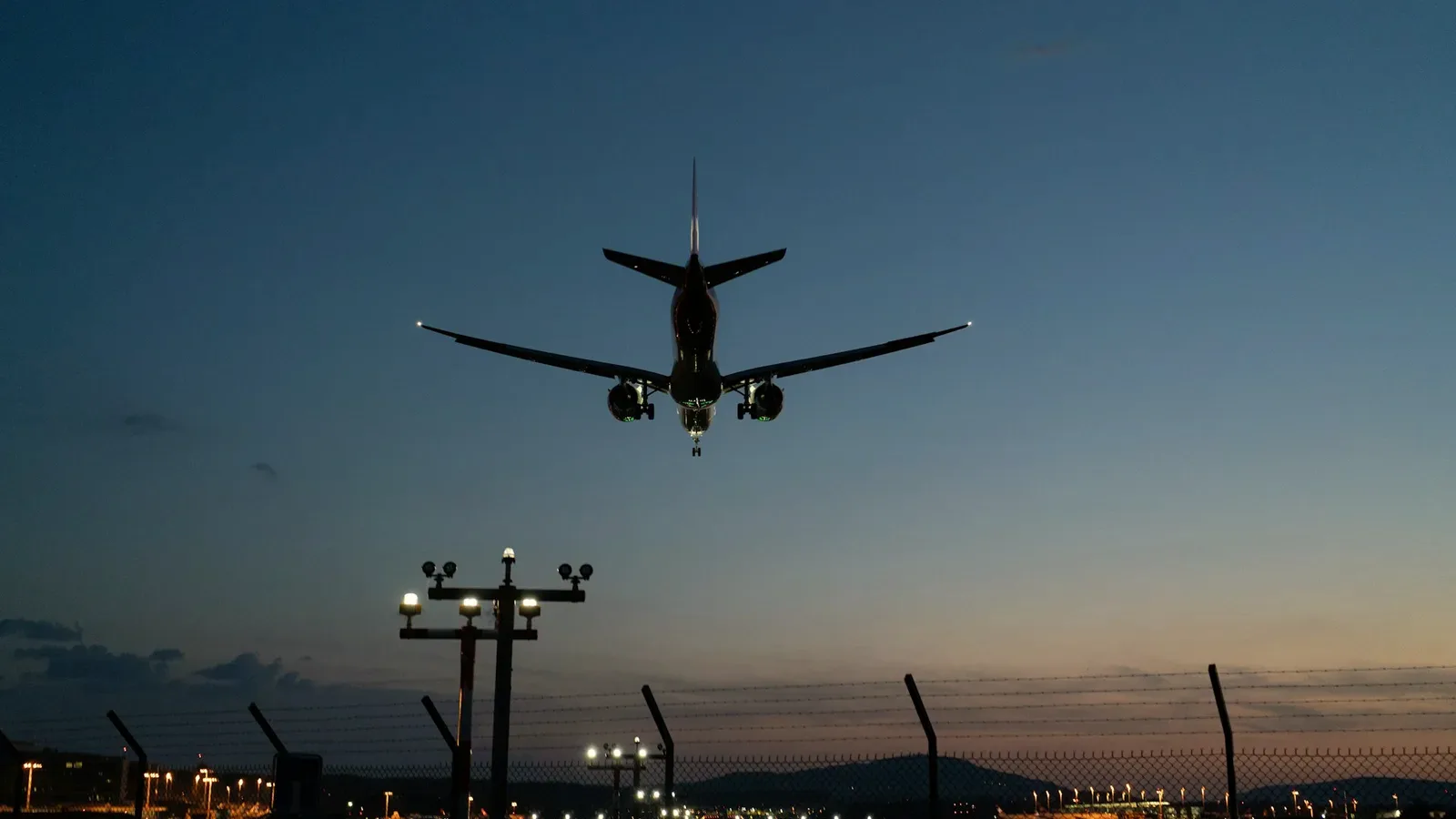
FAA ground stop strands travelers; root cause remains open
The FAA halted departures nationwide from 3:54pm to 8:15pm ET on Nov. 13, the largest US grounding since 9/11. Cancellations passed 12,500 across Friday and Saturday, with Saturday alone near 6,500, and knock-on delays ran into Sunday, which is today.
Officials have pointed to overloaded switches and asked Congress for roughly $50 billion in ATC funding. Their press conference drew criticism for conflicting accounts, so the underlying fault is not settled.
For advisors: rebook stranded corporate travelers now, check each carrier's waiver terms before changing tickets, and build buffer into Thanksgiving-week itineraries, since the system has shown it has little slack.
- Confirm each airline's waiver window and fare-difference rules
- Protect tight connections and same-day meetings on Thanksgiving-week trips
- Expect disruption risk to persist until the ATC cause is addressed
American reshapes LAX and courts local corporate demand
American announced a nine-route LAX shakeup, with new and expanded service and two cuts, and promised a stronger hub there. It describes the plan as a "compelling offering".
The airline is also shifting strategy in other big cities. Its commercial chief says Chicago's opportunity is corporate traffic, and that winning back local customers has improved LaGuardia margins.
For advisors: this is leverage and an opening in corporate contract talks for Los Angeles, New York and Chicago. Check whether the two cut routes affect any client programs, and ask about schedule quality on the expanded ones.
Kirby says a United–American merger would be approved
United CEO Scott Kirby repeated that a merger with American would be "100%" approvable, with divestitures. American has rejected the idea, and state attorneys general and foreign regulators remain obstacles. One analyst says he is only 99% sure Kirby is wrong, which is a fair gauge of how speculative this is.
The near-term probability is low. Still, consolidation would affect corporate contract leverage, loyalty program stability and alliance alignment. Treat it as a long-range watch item, not a reason to change current client agreements.
United's card changes tilt earning toward cardholders
United raised its card bonuses to 100,000 miles. It is also cutting mileage earning for non-cardholders, while cardholders earn more on flights and pay less for awards.
The gap between holders and non-holders is now wider, which strengthens the case for frequent United business travelers to carry the card. Advisors counseling clients on loyalty should rerun the earning and award-pricing math for their heaviest United flyers.
Beond suspends flights through year-end, with no relaunch date
Maldives-focused Beond Airlines has suspended flights for the rest of the year. It missed its own Nov. 12 deadline for an update and has deleted its rebooking guarantee.
For advisors: clients booked on Beond face refund and credit risk. Check for affected bookings, pursue refunds through the original payment method where possible, and review Maldives resort cancellation penalties, which could leave clients out of pocket if flights do not resume.
Airlines add first-class seats on the 737 MAX 10
American and Delta plan 24 first-class seats on their 737 MAX 10s. Alaska plans a lie-flat business subfleet to compete on transcontinental routes. United and Alaska deliveries start in early 2027.
The change is a way off, but it affects premium cabin supply and fare options on domestic routes. Corporate travel policy teams revisiting cabin rules for 2027 should factor it in.
Delta lets members spend SkyMiles on trip protection
Delta is letting SkyMiles members redeem miles for trip protection through an Allianz partnership. It widens redemption options and puts an airline-sold product alongside the travel insurance advisors offer.
The scale looks modest, and the report comes from a sponsored session. After this week's mass cancellations it is still a useful prompt to review how you position insurance against airline ancillaries.