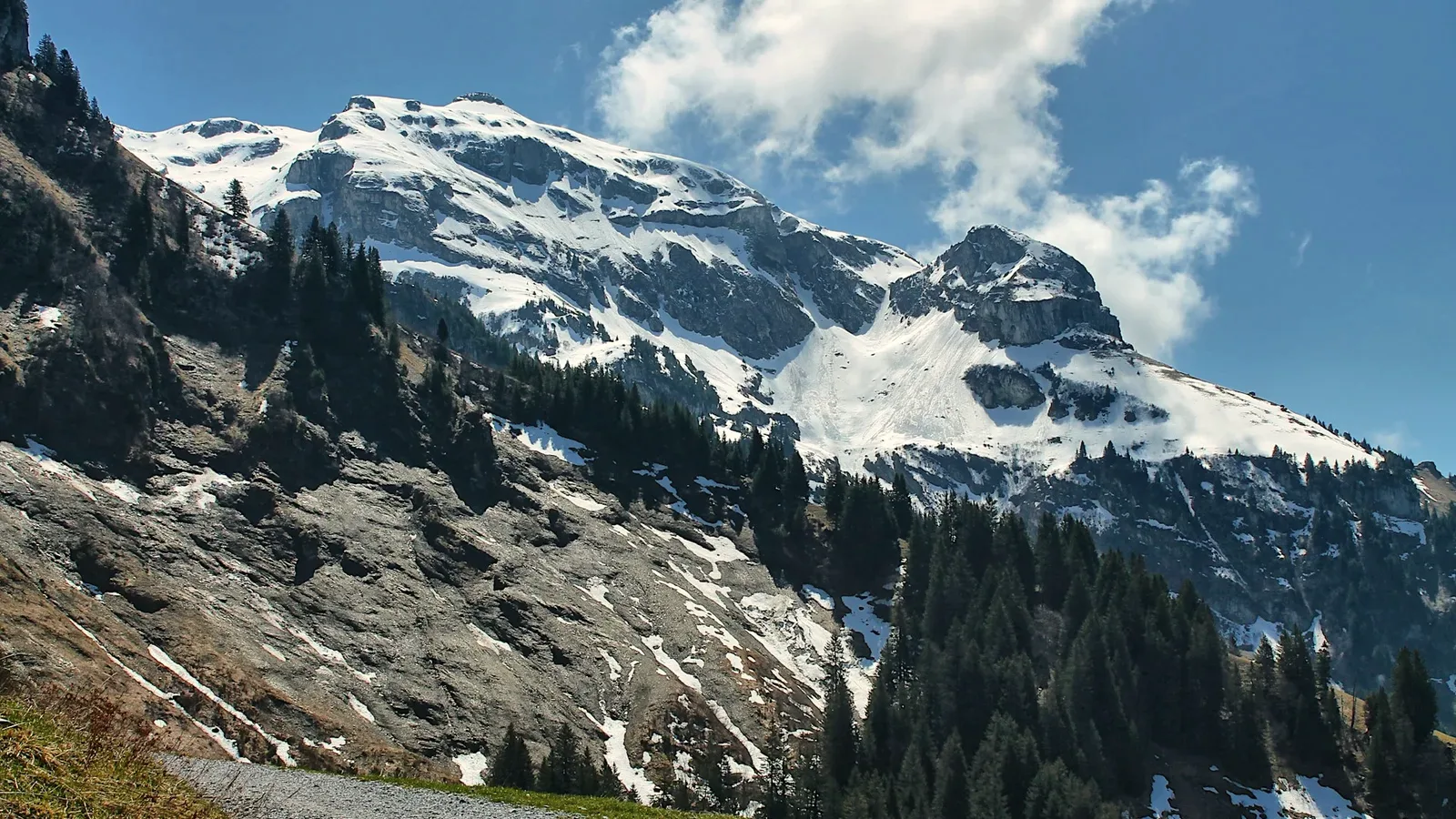
Dhaulagiri: rope-fixing stops above Camp 3, clients head down
Rope fixing on Dhaulagiri has halted for reasons that remain unclear. Clients at Camp 2 have retreated to Base Camp with the season nearly over. The reported cause is that Seven Summit Treks stopped fixing the route above Camp 3 after its VVIP clients quit, leaving roughly 20 other clients without a route to the summit.
For advisors, this is a departure-level service failure, not a weather story. Before booking any 8,000m expedition, ask:
- Who is contractually responsible for fixing ropes, and does that change if one group leaves?
- Are rope-fixing costs shared across operators, and what happens if a partner withdraws?
- What are the refund and rebooking terms if a summit window fails for operational reasons?
The details are still emerging, so treat the account as reported rather than confirmed. Clients already booked with this operator should get a direct question to the supplier now.
ATWS 2026 puts Indigenous partnerships and guide standards on the agenda
About 800 industry leaders gathered at the Adventure Travel World Summit in Québec City, where Indigenous-led tourism and the Adventure Travel Guide Standard were central themes. Sessions covered community-owned tourism in Namibia, Australia and Brazil, along with guide training standards.
This is a retrospective with little hard commercial detail, but it gives advisors usable vetting questions. Ask suppliers whether Indigenous or community partners own, co-manage or simply host the experience. Ask how benefit-sharing works, and whether guides are trained to a recognised standard. Clients increasingly ask these questions, and a supplier with concrete answers is easier to recommend than one relying on general sustainability language.