Fuel Costs Force American, United and Southwest to Pull Back Capacity
A sharp rise in jet fuel prices is reshaping fourth-quarter and 2026 capacity plans across the big three. American is absorbing an estimated $7 billion annual fuel hit, with its CFO warning of another $1 billion in Q4 alone. United has already dropped planned December flights, and Southwest has cut its 2026 capacity growth roughly in half. This is a coordinated, cost-driven pullback rather than a single carrier's problem, and it matters for booking strategy right now: less capacity typically means firmer pricing and thinner availability on the routes and dates clients care about most. Advisors should lock in Q4 and holiday-period fares and premium cabin space earlier than usual rather than waiting for late deals, and flag to corporate clients that schedule reductions may affect connection options on previously reliable routings.
Flying Blue Strips Perks From Base Business Awards
Air France-KLM's Flying Blue has restructured its business-class award chart as of September 8: the base 60,000-mile redemption no longer includes lounge access, checked bags, or flexible changes, and travelers now need 75,000 miles to buy back the full package that used to be standard. That's a roughly 25% effective devaluation for anyone booking award travel without checking the fine print. It fits a wider pattern of airlines introducing "Basic Business" tiers across the US, Europe, and Middle East that keep headline fares or mileage costs steady while quietly stripping out what corporate travelers assume comes with a premium cabin. Advisors handling award bookings on Flying Blue partners should confirm which tier a client is actually purchasing before ticketing, since the difference now shows up at the airport, not on the booking screen.
British Airways Pulls A380s From Seven Routes for Cabin Overhaul
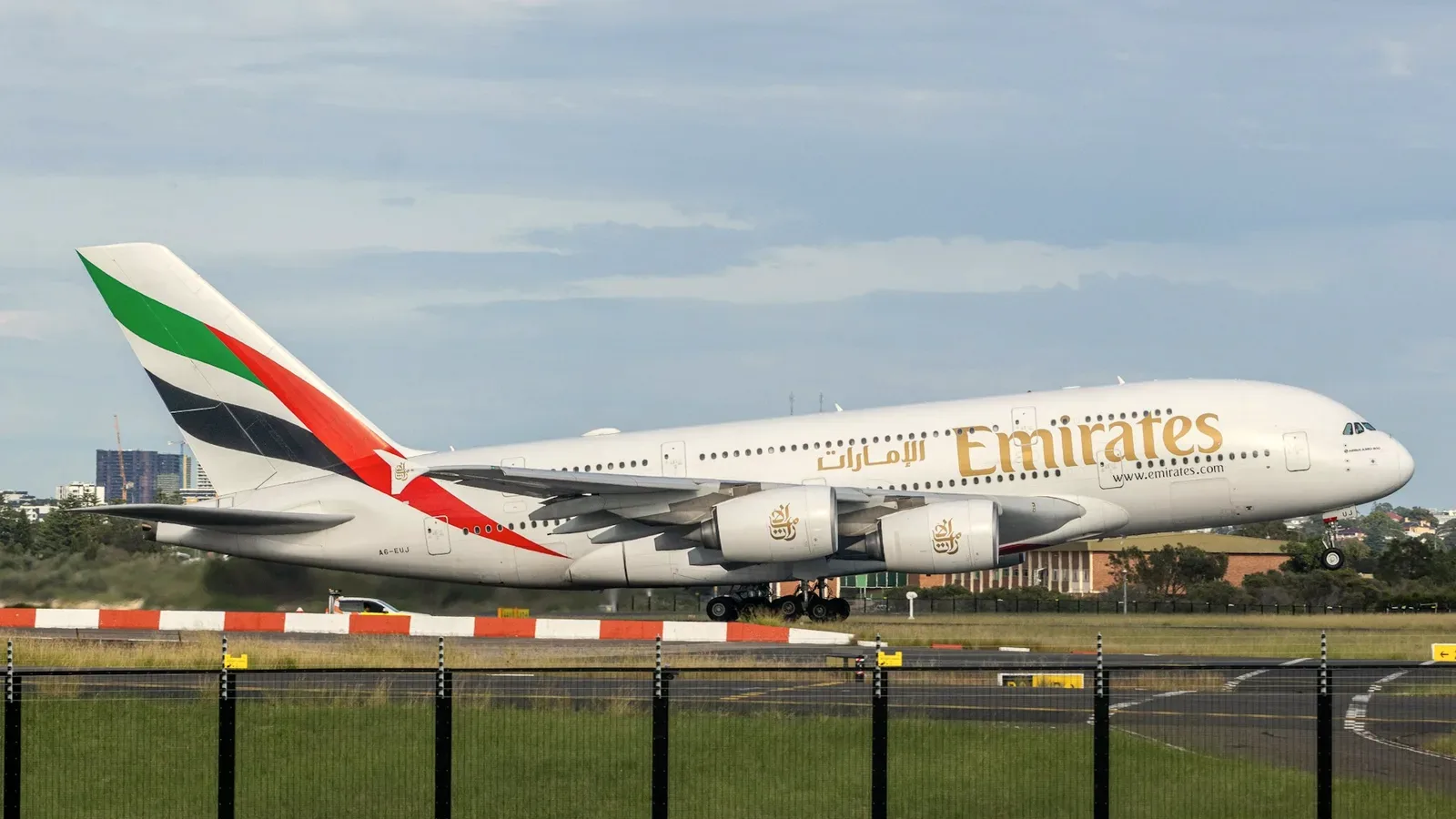
British Airways is withdrawing Airbus A380 service from seven routes as it retrofits the fleet with a new first-class product and what it's calling the largest business-class cabin of any aircraft type. The retrofit means equipment swaps and shifting premium inventory on the affected long-haul routes for the duration of the program, with availability patterns likely to move around as aircraft cycle through the shop. Advisors booking clients on BA long-haul, especially in premium cabins, should double-check aircraft type at ticketing rather than relying on historical scheduling, since a route that reliably flew A380 may now see a different aircraft with a different seat map and business-class footprint. Expect this to play out over multiple scheduling seasons rather than resolve quickly.
Midway Atoll's Airport Faces Closure Fight With Transpacific Stakes
Henderson Field on Midway Atoll has no scheduled flights, but airlines are lobbying the FAA to keep it certified as an ETOPS emergency-diversion point for transpacific routes. The airport needs upgrades exceeding $100 million to maintain that status, and its closure would force carriers including Zipair to fly less direct routings between the US West Coast and Asia or Hawaii to stay within diversion-time limits. Longer routings raise operating costs, and those costs tend to flow through to fares on the routes advisors sell. This is a slow-moving regulatory story rather than an immediate booking concern, but it's worth tracking: a decision to let the certification lapse would be a genuine network-planning shock for long-haul Pacific carriers, not a rounding error.
Delta Unlocks Nonstop Aspen Access With E175 Software Fix
A FADEC engine software update developed with Embraer and GE now lets Delta and SkyWest fly the Embraer E175 into Aspen-Pitkin County Airport at full passenger loads, replacing the capacity-constrained CRJ700s previously used on the route. The fix applies to nonstop service from Atlanta and Los Angeles, two of the highest-yield gateways into a notoriously restrictive mountain airport. For advisors booking ski-season corporate and leisure trips, this means more reliable nonstop seat availability into Aspen without the weight and runway-length compromises that have long limited capacity there. It's a rare case of an operational fix directly expanding sellable inventory into a resort market where demand routinely outstrips supply, and it's worth flagging to clients booking early for the upcoming season.
Southwest Tightens Flight Credit Expiration as Customer-Friendly Model Erodes
Southwest's Basic fares now carry flight credits that expire in six months and can't be transferred to another traveler, a sharp departure from the airline's legacy non-expiring credit policy. It's the latest step in a broader shift that already includes assigned seating, bag fees, and Basic economy pricing, moving Southwest closer to the industry norm it once stood apart from. For advisors managing corporate travel banks, this creates real deadline risk: credits issued under Basic fares that sit unused for two quarters simply disappear. Booking under Choice Preferred or Choice Extra fares preserves the old flexibility, and it's worth auditing clients' outstanding Southwest credits now to rebook or use them before expiration rather than after the fact, since there's no indication Southwest plans to reverse the policy.
Avelo Launches Denver and Three More Routes at Dallas's New McKinney Airport
Dallas-Fort Worth's newest airport, McKinney National (DTX), has received its FAA operating certificate, and Avelo Airlines is building it out fast: the carrier now serves eight destinations from DTX, adding Denver, Atlanta, Nashville, and New Orleans starting in November and December. For advisors covering the fast-growing North Dallas corridor, DTX is now a genuine third option alongside DFW and Love Field, worth a cost and convenience comparison for clients based in the northern suburbs. Ground transport times, parking, and fare levels at a new, less congested field can beat the legacy airports for the right traveler, particularly on Avelo's point-to-point leisure and mixed-use routes. Watch for further route additions as the airport ramps up through year-end.
Hilton Weighs a Tier Above Diamond Reserve
Internal Hilton materials reportedly show early work on a new tier above Diamond Reserve, the top status level the company introduced earlier in 2026. If it moves forward, it would continue a pattern of Hilton adding tiers above existing top status, effectively pushing standard Diamond elites further down the benefits ladder. Nothing here is confirmed or dated, and Hilton hasn't announced a rollout, so this is a signal to watch rather than something to act on. Advisors setting client expectations around status matches or credit-card-driven Diamond status should hold off promising specific benefits tied to today's top tier until Hilton clarifies whether and when a new tier launches, since eligibility and perks could shift again once it does.