Hyatt Reportedly Swaps American for Delta as Airline Partner
World of Hyatt appears to be moving its primary airline loyalty partnership from American to Delta, according to a recap item this week — timing and reciprocity terms are still thin. For advisors who route clients toward Hyatt Globalist through AAdvantage elite crossover, or who use Hyatt/American status-match campaigns, this is worth flagging now rather than after a booking is ticketed. A Delta pairing would likely realign which SkyMiles tiers earn Hyatt elite nights and could sunset existing American-linked perks with little notice. Corporate travel programs that built approved-supplier lists around the Hyatt-American bridge should ask account reps for written confirmation before promising status-match timelines to clients. Treat this as an early signal rather than a settled fact until Hyatt or Delta issue a formal announcement — but start the client conversation regardless.
Air Canada's $195 Card Unlocks a Partner-Award Discount and Hyatt Shortcut
Air Canada's redesigned $195 Aeroplan Card carries a mechanic advisors can put to immediate use: booking just one short Air Canada segment as part of a connecting itinerary makes the entire award — including partner-only legs — eligible for a 15% points discount. Family Sharing members reportedly inherit the discount without holding the card themselves, widening its reach across a household or small-office travel pool. The card also functions as a fast-track to Hyatt Globalist, giving clients a shortcut past the usual 60-night qualifying threshold. For advisors structuring multi-carrier award redemptions on Star Alliance metal, this changes the math: a single positioning segment on Air Canada can unlock discount pricing on an otherwise pricier partner award. Worth adding to award-booking checklists now, especially for clients already holding Hyatt loyalty who want a low-effort status boost this quarter.
American's Wi-Fi Sign-Up Surge Isn't the Loyalty Story It Sounds Like
American says AAdvantage sign-ups are up 30%, but its own commercial chief credits free Wi-Fi logins, not renewed brand loyalty, and is already monetizing that data for cobrand card leads. Context matters: industry surveys now show self-described airline loyalty has fallen from 44% to 13% of flyers, meaning a Wi-Fi-gated sign-up is a data-capture event more than a durable relationship. Advisors should read American's growth numbers skeptically when weighing how much status currency to build into a client's airline strategy — a login isn't a commitment. The bigger signal for corporate travel management is that airlines increasingly treat loyalty programs as data and cobrand funnels first, service differentiators second. Expect more free-Wi-Fi-for-email trades across carriers this year, and expect the resulting 'loyal' member counts to keep outpacing any real shift in where flyers actually choose to fly.
Starlink Becomes the Default Corporate Wi-Fi Standard, at $500K a Plane
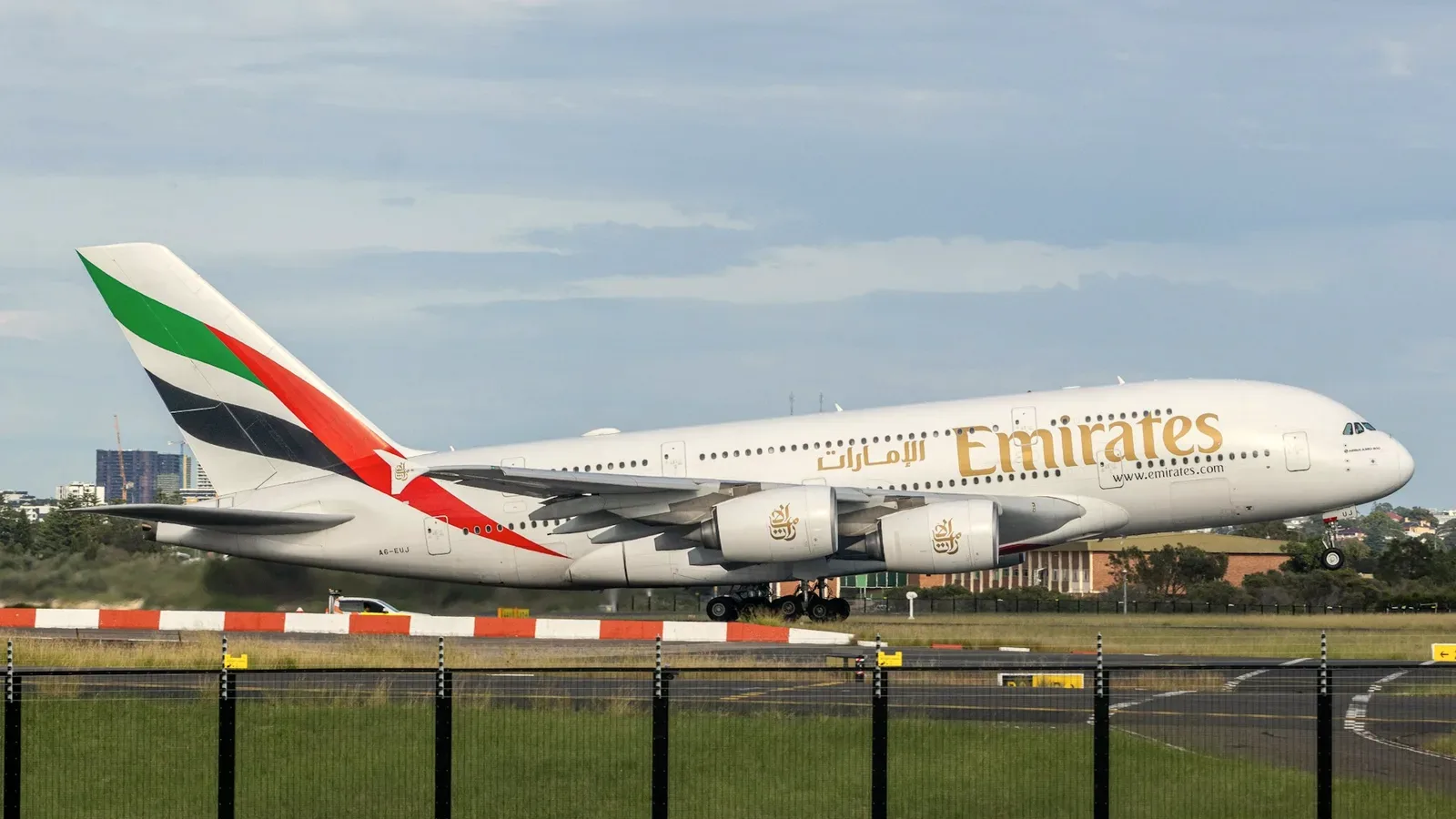
Starlink has gone from novelty to near-standard equipment: most major US carriers other than Delta, JetBlue and Allegiant have now committed, alongside IAG, Air France, Lufthansa, Emirates and Qatar internationally, at roughly $500,000 per aircraft. For T&E policy, that price tag is starting to sort carriers into tiers — airlines with fleet-wide fast Wi-Fi are becoming the default approved choice for productivity-dependent travelers, while holdouts risk quiet deprioritization on preferred-carrier lists. Advisors managing corporate accounts should ask which specific aircraft types and routes have Starlink installed today versus merely promised, since fleet retrofits lag announcements by months or years. The near-term commercial question is who absorbs the cost — higher fares, cabin trade-offs, or airline balance sheets — and that allocation will shape which carriers stay price-competitive on long-haul corporate routes through 2027.
United's Dulles Overhaul Adds Gates Mid-Construction — Pad Connections This Season
United's roughly $20 billion overhaul of Washington Dulles, its second-busiest transatlantic hub and the fastest-growing large US airport last year, is adding a new Concourse E with 14 gates in phases alongside live terminal and tunnel construction. That sequencing means gate assignments, walking distances and minimum connection times at IAD are more likely to shift through this fall and winter than at a hub not mid-build. Advisors booking transatlantic connections through Dulles should pad connection times where possible and confirm gate information closer to departure rather than relying on the itinerary as booked. The upside is real — added capacity should eventually ease the congestion that has made IAD connections tight — but the construction period itself is the near-term risk. Flag Dulles routings to clients as a hub worth an extra buffer this booking season, particularly for tight international-to-domestic connections.
Airlines Carve Out One-Off Nonstops for Marquee Sporting Events
Airlines are opening short windows of unusual capacity around marquee sporting events. United is adding one-off nonstops — Indianapolis-Lincoln and Eugene-Columbus — timed to specific college football weekends, while American is running a 787 charter from Dallas to Rio de Janeiro for the Cowboys' NFL Brazil game. None of these routes are permanent additions; they exist only around the event dates they're built for. For advisors booking fan groups, alumni travel, or corporate hospitality packages tied to a specific game, these are narrow booking windows worth watching on the airlines' own event pages rather than standard fare search, since capacity and pricing behave differently from scheduled service. Expect more of this pattern as carriers treat single marquee games as their own demand spikes — worth building into any sports-travel-adjacent client outreach this fall.
SWISS Trades Legroom for Privacy in New Premium Economy Shell
SWISS's new Senses A350 premium economy trades legroom for privacy: a fixed hard shell around each seat, rather than the cradle-recliner layout used by rivals like Emirates and Air India, which SWISS says improves the sense of enclosure but measurably reduces usable legroom. The cabin is flying now on Zurich-Boston, with further Senses rollouts expected on other long-haul routes. For advisors booking premium economy for corporate clients — particularly taller travelers who prioritize stretch-out room over privacy — this is a product to explain before ticketing, not after a complaint. It's also a deliberate bet against the industry's cradle-seat consensus, so client reactions may be more polarized than usual; some travelers will prefer the enclosed feel, others will find the space trade-off not worth it. Set expectations up front given the seat's non-standard design.