Katz: No Withdrawal from Lebanon Stronghold
Defense Minister Katz said Israel will not withdraw from a Hezbollah stronghold position inside southern Lebanon, a firm public commitment to keep IDF forces in place. For advisors, this confirms the Galilee/Golan/Lebanon border zone remains an active flashpoint rather than one that's de-escalating — current caution guidance for itineraries running near the northern frontier should stay in place, and any client plans touching Metula, the Golan Heights, or upper Galilee border communities warrant a fresh security check before booking. This isn't a new incident but a hardening of Israel's position, suggesting the relative quiet holding through recent months is being maintained by continued military presence rather than negotiated withdrawal. That means the risk profile there is politically decided, not organically resolved, and could shift with little notice if Hezbollah responds.
Netanyahu Leans Into a Widening Iran Conflict
Netanyahu is reportedly pushing to draw Israel deeper into the broader US-Iran confrontation just as Tehran's own leadership appears fractured, with hardliners sabotaging negotiations and Supreme Leader Khamenei not publicly seen in some time. Combined, these signals raise the odds of a fresh escalation cycle — rocket or missile alerts, airspace disruptions, or another round of advisory upgrades — that would touch Israel travel broadly, not just border regions. For now this is a risk trajectory, not a confirmed event: nothing here changes airspace status or entry rules today. But advisors booking Israel in the coming weeks should treat this as the top wildcard to monitor, since an Iran-linked incident remains the most plausible trigger for a sudden advisory shift or Ben Gurion disruption this fall.
IDF Preps to Intercept Late-October Flotilla
The IDF has begun preparations to intercept a new Gaza-bound flotilla set to depart Italy in late October, timed close to Israel's October 27 election. Past flotilla interceptions have drawn heavy international media attention and, as this week's Doha-strike fallout shows, real diplomatic cost — advisors with clients on Eastern Mediterranean cruises or coastal Israel itineraries during that window should watch for updates. A high-profile interception could bring port disruptions or a spike in news coverage that unsettles clients even without any change to on-the-ground safety. Nothing here affects current bookings, but the dated, operational nature of this preparation — as opposed to speculative commentary — makes late October worth flagging on any itinerary calendar touching Israeli ports or nearby cruise routes.
Jordan Protests Temple Mount Visits Over Rosh Hashanah
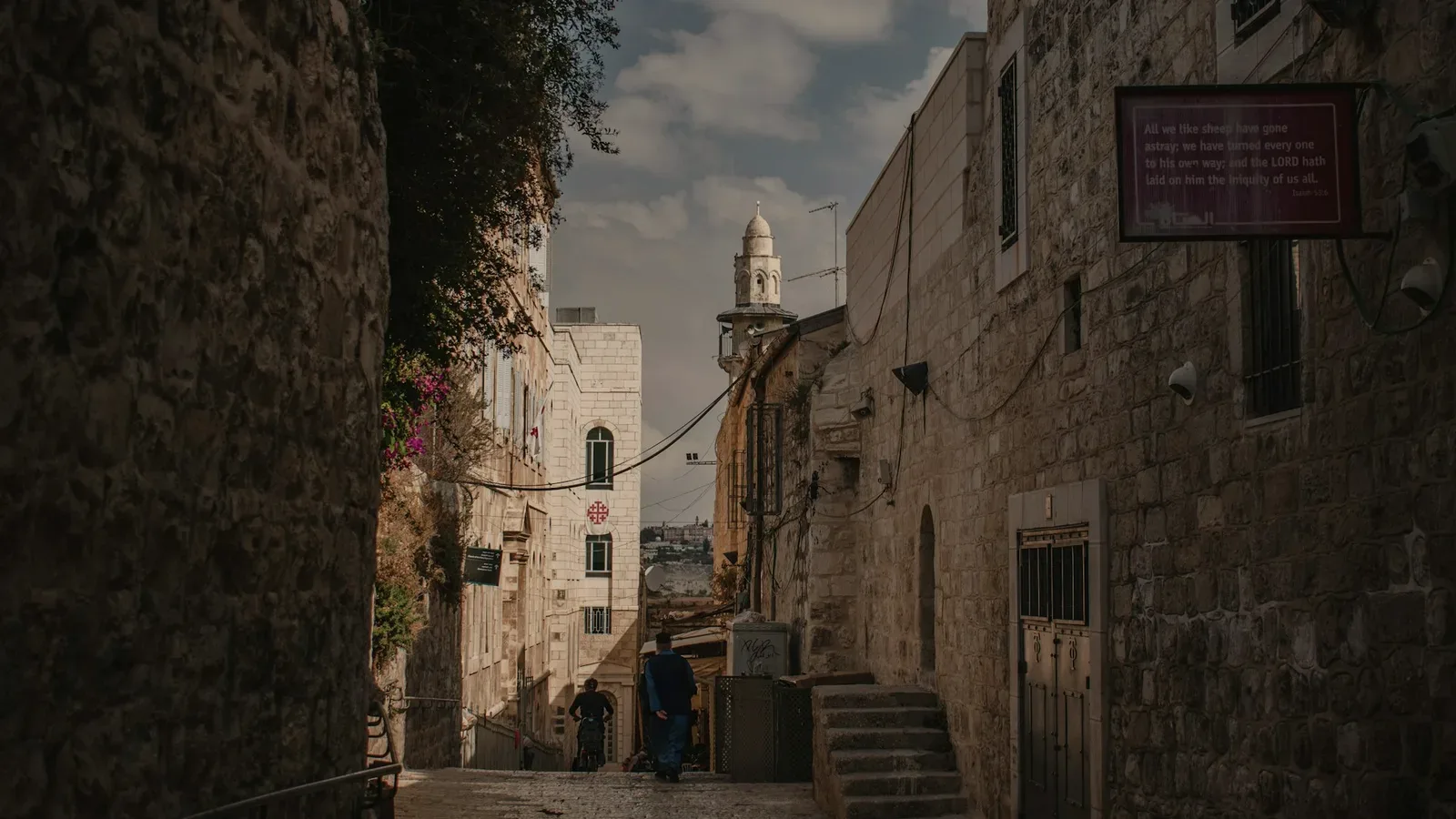
Jordan protested after roughly 250 Jews visited the Temple Mount under police escort on the second day of Rosh Hashanah, saying Muslim worshippers were blocked from access. This is a recurring trigger point — Jordan has historically pushed back hard on visitation patterns at the site, and past cycles of protest have preceded tightened access rules or a heavier security posture at Jerusalem's Old City holy sites. Advisors routing clients through Old City religious-site tours, especially around Jewish holidays, should expect the possibility of shifting access windows or added checkpoints near the Temple Mount/Haram al-Sharif compound in coming weeks. No new restriction has been announced yet, but this is the kind of diplomatic friction that has, in past years, translated into operational changes on the ground with little lead time.
Trump, Kushner Point to a Calmer Gaza
Trump said there is "not a lot of fighting in Gaza" and that Hamas is willing to disarm, while Kushner detailed how the fallout from Israel's Doha strike was leveraged to lock in the ceasefire framework. Together these are the clearest on-record signals yet that the Gaza conflict is trending toward stabilization rather than renewed escalation — a data point advisors can use when gauging whether Israel demand and advisory language are likely to keep easing into the fall booking season. This doesn't offset the Lebanon and Iran items above; the Gaza and northern/Iran tracks are moving in opposite directions right now. For clients asking "is it safe," the Gaza trajectory is the more reassuring half of today's picture — worth citing alongside the caveat that northern border and Iran risk remain unresolved.