Ben Gurion delays turn structural, not a one-off
The Airports Authority is confirming what advisors have been hearing from clients: Ben Gurion is running multi-hour delays with 90-plus flights bunching into three-hour windows and baggage handling breaking down under the load. Officials point to two compounding causes — parked US military refueling tankers occupying stands and taxiway capacity, and separate congestion in European airspace, notably over Greece, slowing inbound routings. Neither cause is expected to clear quickly, and both sit outside the airport's control, which means this reads as a structural condition through peak summer travel rather than a weather-style blip. For bookings on El Al, Israir, Arkia, or any inbound carrier, build in wider connection buffers than usual, flag baggage risk on tight onward journeys, and set client expectations before departure rather than after a missed connection. Nothing here suggests flight cancellations, just persistent, unpredictable ground delays.
Lebanon front heats up as Katz vows to 'settle scores'
Cross-border fighting intensified over the weekend: the IDF says it killed a senior Hezbollah commander in retaliation after an explosive drone attack seriously wounded three Israeli soldiers, part of a broader run of strikes in south Lebanon. Defense Minister Katz has framed the response as open-ended, vowing to settle scores "on all fronts," and Washington is reportedly seeking clarifications from Israel even as it continues backing the military response. This is the sharpest northern escalation in the current cycle and the one most likely to move the needle on advisory language for northern Israel. It hasn't yet translated into new US State Department or UK FCDO guidance, but advisors with clients booked into the Upper Galilee, Golan, or northern coastal areas should monitor closely — an escalation at this pace can outrun trip-planning timelines quickly.
Record August storm shuts Route 90 near the Dead Sea
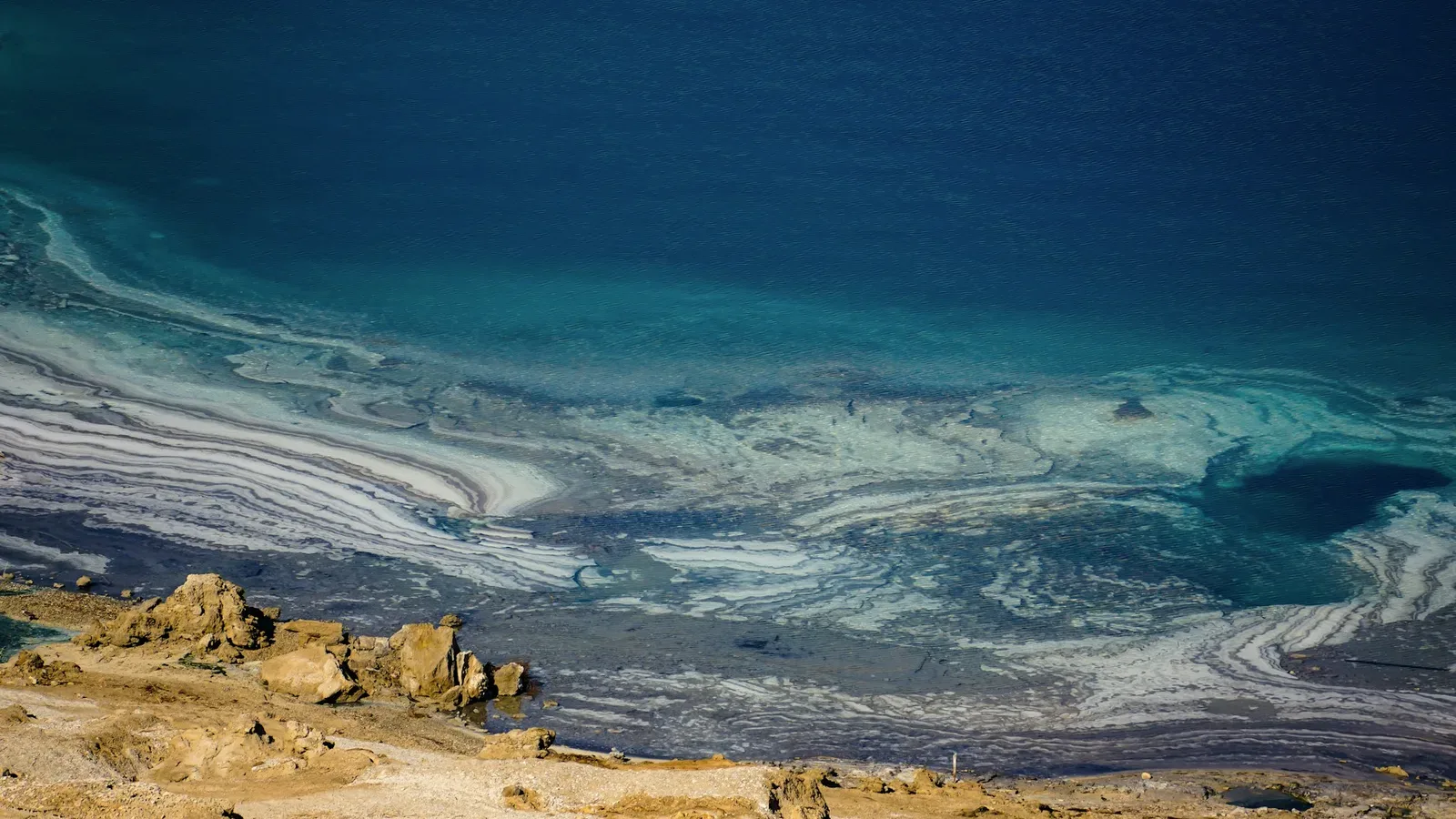
Israel just recorded its highest August rainfall total in over a century in parts of the Judean Desert, and the flash flooding that followed forced a temporary closure of Route 90 near the Dead Sea along with rescue operations in the area. Forecasters flagged additional rain and flood risk for today, so this isn't a closed chapter — road status near Masada, the Dead Sea resorts, and Judean Desert routes should be confirmed the morning of travel, not the night before. This is a genuine weather anomaly for the season, not routine seasonal variability, and it's producing a concrete, verifiable disruption rather than just uncomfortable heat. Advisors with clients holding day-trip bookings to Masada or the Dead Sea this week should have a rebooking or delay plan ready and check with ground operators directly given how fast conditions have been shifting.
Gaza truce frays as Hamas leadership heads to Cairo
An explosive device struck an IDF tank near the Yellow Line in what Israel is calling a "grave" ceasefire violation, though no soldiers were hurt; a related firefight with Hamas operatives was also reported. The incident lands just as Hamas's political chief and senior officials arrived in Cairo for talks with Egyptian intelligence aimed at preserving the truce, with Jared Kushner's visit reportedly looming to press a disarmament roadmap Hamas has so far rejected. Ceasefire durability is the single biggest variable behind current US and UK advisory language on Israel, and this is the freshest sign it's under real strain even as diplomacy continues in parallel. Nothing here points to a return to large-scale hostilities yet, but advisors fielding client questions about southern Israel and general security posture should keep this thread on the radar going into the week.
West Bank unrest stretches IDF bandwidth
Army Radio reports the military has had to cancel planned Palestinian terror-suspect arrests because forces are tied up containing settler violence near Nablus, including in Kusra and Jalud, where residents describe being effectively blocked in and fearing settlers' return. Separately, two Palestinians were hurt by settler gunfire, including a nurse reportedly left paralyzed, and settlers continue moving through villages despite what's described as a heavy IDF presence. Katz is now moving to shift West Bank civilian law enforcement toward police rather than the military. None of this touches mainstream tourist itineraries directly, but it reinforces the security bandwidth strain behind existing US State Department and UK FCDO no-go guidance for West Bank areas — useful context when clients ask general security-posture questions, even for travelers with no West Bank component to their trip.
Red Sea and Hormuz chokepoints stay seized up
More than 25 Houthi missile strikes have forced Yemen's Mocha port to suspend operations, while transit through the Strait of Hormuz has collapsed to a fraction of pre-war volumes after two more ships were attacked; Washington is now redeploying its last East Asia aircraft carrier to the region as its Iran-focused posture stretches forces thin. None of this is an Israel-specific disruption, but it signals a widening regional conflict footprint rather than a narrowing one, and that keeps pressure on fuel costs and Gulf-adjacent airspace routing for carriers serving Israel. It's a slower-moving variable than the airport delays or the Lebanon front, but worth flagging to clients asking why fares or routings into the region feel less stable than usual right now.