WestJet Grounded by Strike, Rebooking Window Open Through Aug. 4
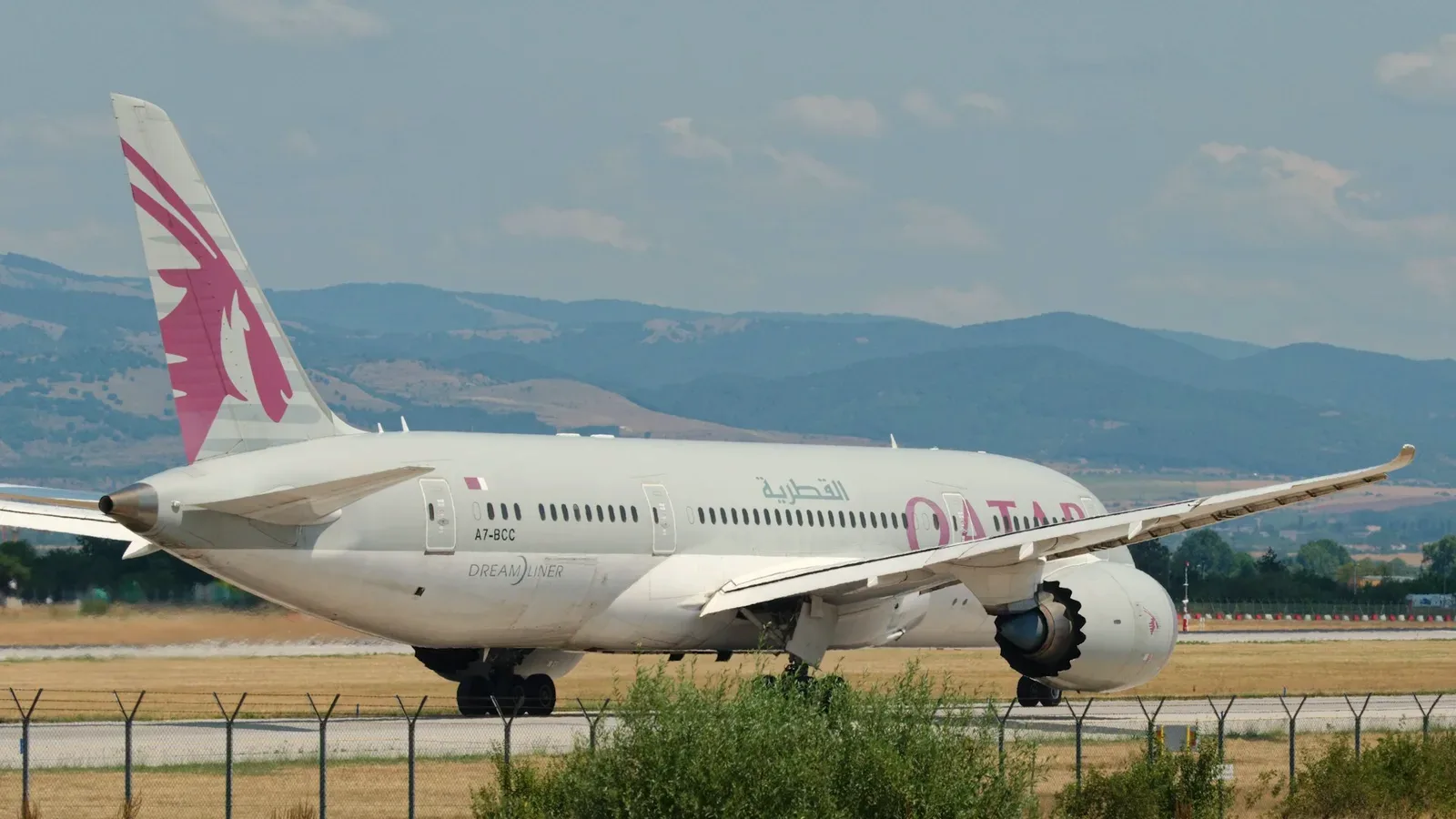
WestJet's flight attendants walked off the job this week, grounding effectively all WestJet-operated mainline flights — the regional Encore operation is still flying — and stranding passengers across the airline's 27 US gateways and its Delta codeshare network. Canada's second-largest carrier is offering fee-free cancellations and rebookings through August 4, but with no clear end date to the strike, advisors should treat any WestJet segment booked through mid-August as at risk. Connecting itineraries booked through Delta or other partners may also see knock-on delays as WestJet's schedule empties out. For clients with active bookings, the immediate move is to lock in the fee-free change now rather than wait, and to line up backup capacity on Air Canada or US carriers for any time-sensitive Canada travel in the next two weeks.
Two New Squeezes on Booking Flexibility: Visa Bonds and Refund Cuts
Two federal-level changes are tightening how much room corporate travelers have to maneuver. Effective August 3, the US visa bond program becomes permanent, requiring B1/B2 applicants from flagged countries to post bonds of up to $20,000, refundable only if they arrive and depart on commercial flights as scheduled — a rule already credited with an 83% drop in visas issued to those countries, and a new compliance flag for advisors booking inbound assignees or visiting executives. Separately, American Airlines has quietly cut its penalty-free 24-hour refund window to the legal minimum, applying it only to tickets bought seven or more days before departure, versus its prior two-day cutoff. Close-in corporate bookings on American now lose that flexibility unless routed through an OTA like Priceline that still honors the broader window — worth building into booking workflows now.
Engine Buys TMC Options Travel, Signals New Push Into Managed Travel
Permira-backed Engine, until now focused on unmanaged business travel, has acquired Options Travel, a traditional TMC with roughly $408 million in gross sales, and says it plans to build proprietary corporate booking software on top of the deal. The move signals consolidation pressure in the managed-travel space and a new competitor building tech-forward tools aimed at corporate accounts that TMCs and independent advisors currently serve. It's early — Engine hasn't detailed what the combined booking platform will look like or how it will price against incumbent TMC offerings — but advisors serving small and mid-market corporate accounts should watch how Engine positions the acquisition over the coming months, particularly if it starts courting accounts currently serviced by traditional agencies.
DOT Weighs Loosening Full-Fare Display Rule
The Trump administration is finalizing a rule giving airlines more latitude in how they display fare totals, and is weighing repeal of the 15-year-old requirement that airlines show the full price — taxes and fees included — upfront in advertised fares. If finalized, quoted airfares could once again lead with a base fare that excludes mandatory add-ons, complicating apples-to-apples cost comparisons for expense reporting and T&E budget forecasting. Nothing has changed yet for bookings today, but advisors and corporate travel managers should watch this closely: a base-fare-first display standard would likely require adjustments to how quoted prices get logged against per-trip caps and preferred-fare policies. Worth flagging to clients now so corporate travel policies can be revisited before any rule takes effect.
Corporate Perks Get More Selective: BA's New Scoring, Chase's Lounge Cutback
Two loyalty changes narrow how corporate travelers access premium service. British Airways has introduced a 'Corporate Individual Score,' an opaque 0-to-105 ranking layered on top of elite tier status that can now influence meal choice, upgrade priority and waitlist standing on oversold flights — advisors booking BA for corporate accounts should understand this new factor sits alongside, not instead of, existing status. Separately, starting August 15, Chase is cutting complimentary and discounted Priority Pass access to its Sapphire Lounges for travelers who hold Priority Pass through other premium cards, such as Amex, Capital One or Citi — though it's widening the connecting-itinerary access window to five hours. Corporate cardholders who've relied on cross-brand lounge access as a T&E perk should be told before the cutoff.
United's Premium 'Elevated' Dreamliner Lands in Houston
United's newest long-haul cabin — Polaris Studio suites alongside a revamped Premium Plus and economy — arrives at its Houston hub starting October 24, launching on IAH routes to São Paulo, Tokyo Narita and Sydney, with IAH–Heathrow following in January. For advisors booking premium international travel out of Houston, this is a concrete upsell opportunity: corporate travelers on these routes get access to United's most current long-haul hard product months ahead of a broader fleet-wide rollout. Worth flagging to clients with recurring Houston-origin international itineraries who care about cabin consistency, since older-configuration aircraft will continue to operate alongside the new cabin on other routes in the interim.
Two Booking-System Headaches to Flag Now
Two unrelated disruptions worth adding to client itinerary checklists. West Palm Beach's airport is being renamed Donald J. Trump International Airport on August 18, with its IATA code switching from PBI to DJT — American Airlines is already emailing booked passengers, and advisors should expect a stretch of GDS, itinerary and travel-policy documentation mismatches around the transition date. Separately, Vietnam's Bamboo Airways has stopped selling individual tickets for August, is showing no available seats on major domestic routes, and is down to a single operating aircraft running charters only through August 22. Any client currently holding a Bamboo booking, or considering one, should be treated as carrying real supplier-failure risk and rebooked onto another carrier without delay.
Hyatt Tells Investors Rates Will Hold Firmer, Upgrades Get Scarcer
Hyatt says new centralized reservation, property-management and AI-driven revenue tools are reducing underpricing across its portfolio, even as the chain leans into more targeted, personalized discounting rather than broad rate cuts. The company also flagged that World of Hyatt membership is growing roughly four times faster than its room count — a mismatch that points toward tighter award availability and scarcer complimentary upgrades for elite members going forward. For advisors negotiating corporate rates or booking flexible, refundable Hyatt stays, the takeaway is to expect firmer pricing at negotiation time and to set client expectations lower on suite upgrades and last-room-availability award redemptions, particularly at high-demand urban and resort properties where the new tools are already live.