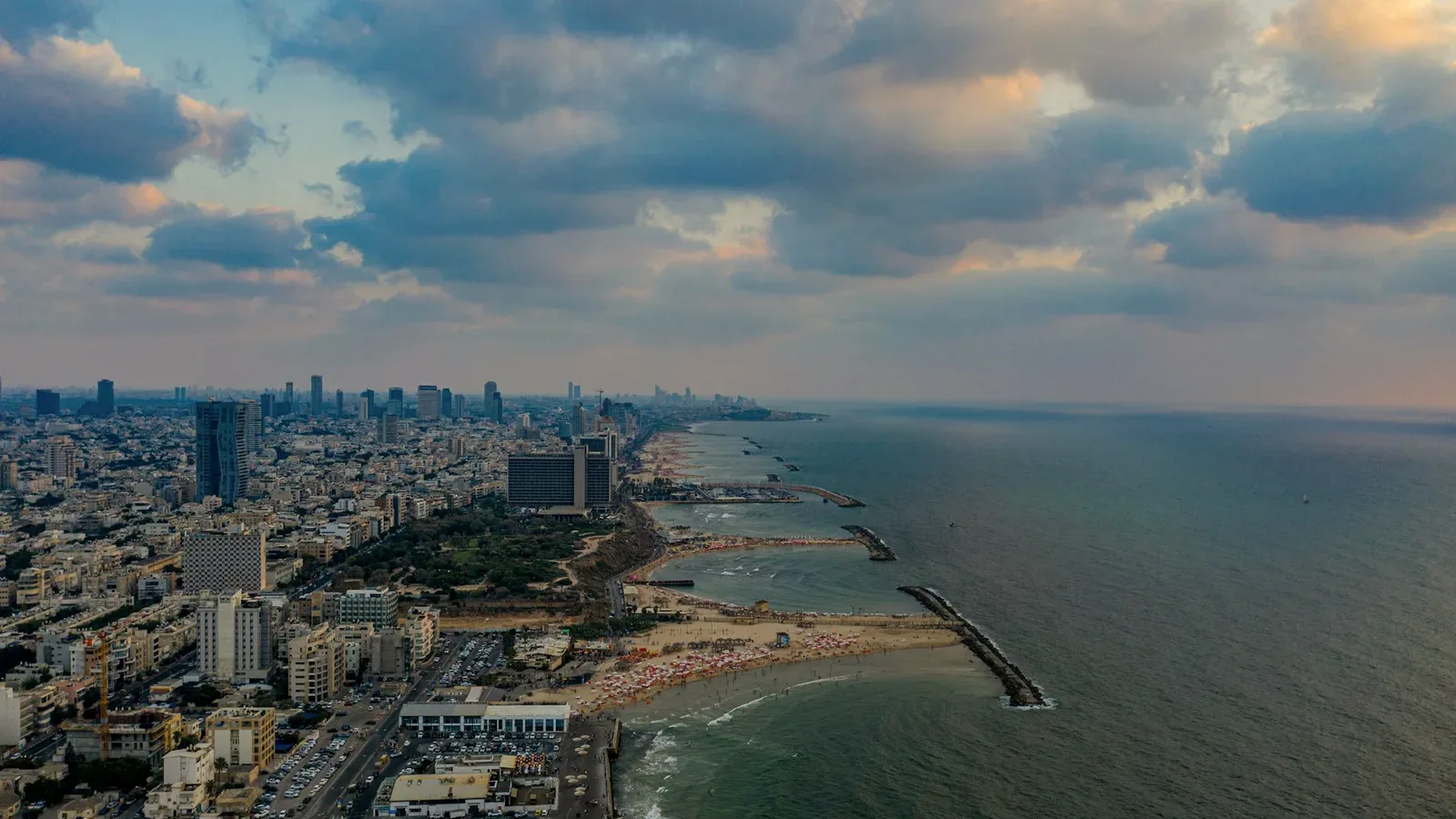
Ben Gurion's On-Time Rate Craters as Military Traffic and Renewed Strikes Collide
Only 1,089 of 3,499 Ben Gurion flights departed on schedule between July 20-27 — a 31% on-time rate, with 83 cancellations and average delays of 40 minutes, peaking near 83 minutes around 2pm. The proximate cause: 33 US military refueling aircraft occupying parking stands past their planned July 21 departure, plus Greek ATC failures rippling across Mediterranean hubs. That military footprint isn't clearing. The US and Saudi Arabia struck pro-Iran militias in Iraq, Iran fired ballistic missiles at a US base in Jordan (five intercepted), and the IDF downed unidentified drones near the Jordan border for a second straight day near the Eilat-Petra corridor — all signs the underlying conflict driving BGN congestion is escalating, not cooling. Arkia's CEO has publicly pushed back on delay complaints, framing them as growing pains from rapid capacity expansion. Advisors: build longer connection buffers on BGN departures and flag delay risk through peak summer, especially for itineraries touching the Eilat-Jordan crossing.
- 31% on-time rate July 20-27; 83 cancellations, avg. 40-min delays (peak 83 min)
- 33 US refueling aircraft tying up BGN parking stands past planned departure
- Jordan intercepted 5 Iranian missiles aimed at a US base; IDF downed drones near Jordan border 2 days running
Israel Rules Out Further Lebanon Pullback, Northern Security Zone Holds
Israel has told mediators it won't agree to additional withdrawals from southern Lebanon at next week's Rome talks — technical teams meet August 4-6 — until Hezbollah disarms. The position hardened just as the IDF uncovered another Hezbollah weapons cache inside the security zone and opened a probe into whether an explosive drone strike on an army vehicle breached the ceasefire deal. For advisors selling Galilee, Golan, or other northern Israel itineraries, the signal is continuity rather than relief: the security-zone posture and associated travel caution near the Lebanon border look set to persist through the fall rather than ease, regardless of how the Rome round lands. No new client-facing restrictions have been announced, but expect the north to stay a slower-moving, watch-and-wait segment of the map for now.