American expands the network while the balance sheet says otherwise
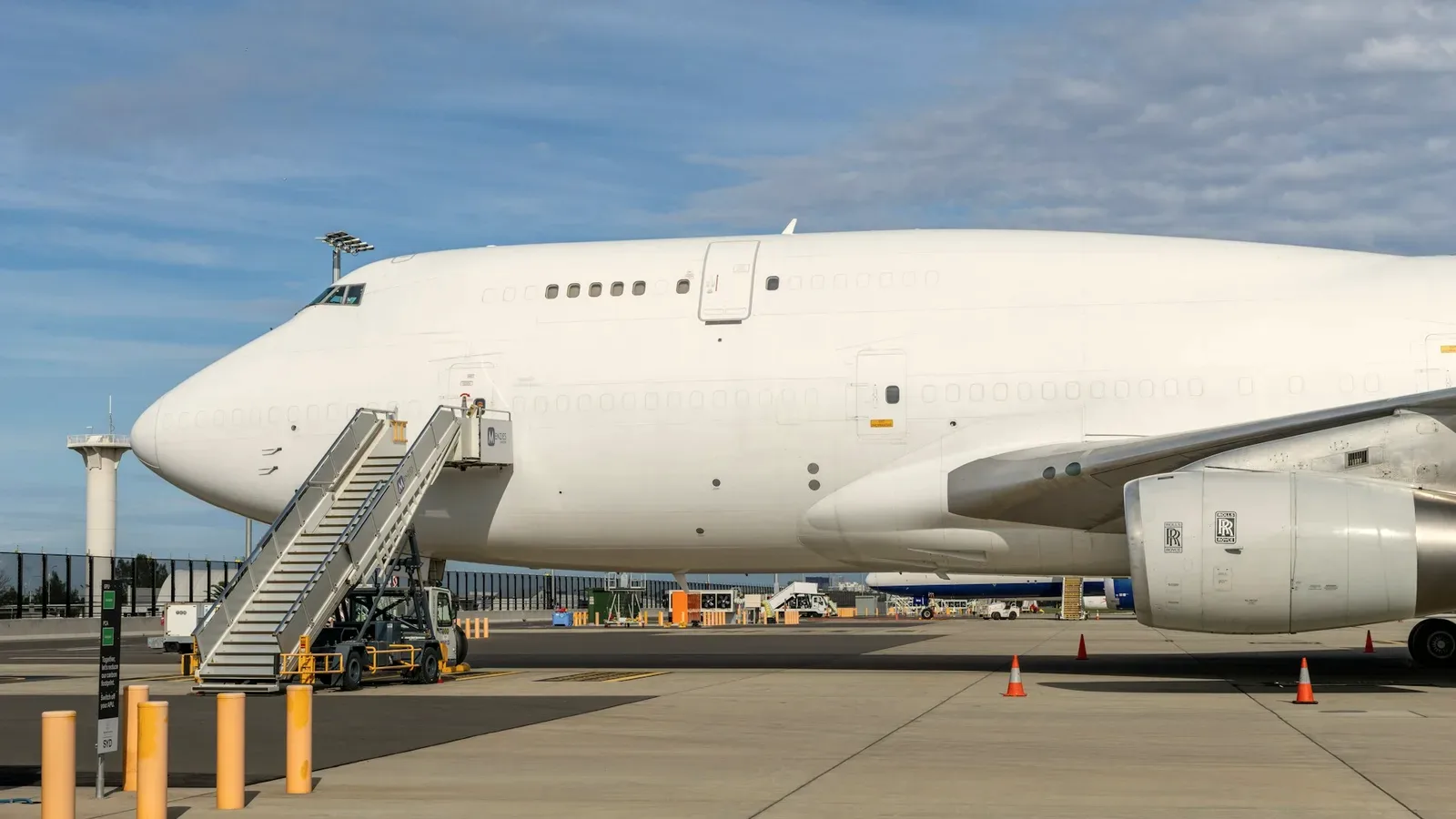
American's second quarter told two contradictory stories. Profit plunged 88% and the carrier now expects to lose money in 2026, even after offsetting roughly half its higher fuel costs with fatter fares — a mix Wall Street isn't rewarding despite management's turnaround pitch. Yet American keeps adding, not cutting: capacity is set to grow 3-5% next quarter while Delta and United hold back, and the airline just confirmed 12 new Q3 destinations, including Staunton/Waynesboro and Vero Beach, pushing its network to 361 airports and closing in on United's lead. The mismatch between shrinking margins and expanding schedules is drawing outside attention — former United CEO Oscar Munoz says investors are "circling" cheap U.S. carriers, and American's depressed valuation puts it squarely in that conversation. For advisors: expect softer AA fares and more availability on new city-pairs, alongside real takeover-speculation headlines worth tracking.
IATA passes over airline veterans for its next chief
IATA has named World Economic Forum executive Saadia Zahidi as its next Director General, skipping airline veterans for the role for the first time in its modern history. She succeeds Willie Walsh, who departs to become CEO of IndiGo on August 3 — a rare airline-to-airline swap that puts one of aviation's most effective trade-body leaders directly into an operating carrier's cockpit. IATA's DG shapes rules advisors work under daily: NDC distribution standards, interline and alliance settlement policy, and BSP/ARC financial plumbing all run through the office. An outsider without airline-operations background brings real uncertainty about priorities — will distribution modernization accelerate, slow, or pivot toward sustainability and data-policy work more familiar from her WEF career? Advisors should watch IATA's agenda over the coming months for early signals on commission structures and agency-facing settlement rules; a change this structural rarely arrives without downstream effects on how bookings get processed and paid.
Gulf advisories return as fighting resumes and fuel costs bite
Travel advisories are back for the Gulf. The US, UK, Canada, Australia and New Zealand have reinstated non-essential-travel guidance for the UAE, Saudi Arabia, Qatar, Bahrain, Kuwait, Oman and Jordan within days of renewed Middle East fighting, even as several of those destinations counter with fare sales and eased visa rules to keep travelers coming. The financial fallout is already visible: IndiGo swung to a loss this quarter as fuel costs surged roughly 80% amid the same flare-up, an early sign that carriers flying through or near the region could face cost pressure that eventually shows up in fares. Advisors with clients booked to or connecting through Gulf hubs should reset expectations now — confirm current advisory levels before ticketing, favor refundable fares where possible, and watch for fuel surcharges creeping into itineraries priced through the region. This is fast-moving; guidance reinstated this week could shift again with little notice.
United widens the gap between cardholders and everyone else
United has restructured MileagePlus in a way that clearly favors co-brand cardholders over unmanaged travelers. Non-cardholders now earn two fewer miles per dollar spent and lose bonus-fare earning entirely, while a new business co-brand card (110K offer, extended) delivers 10%+ discounts on award redemptions plus bonus Premier Qualifying Points. For advisors with clients who book United without holding a United card — common among cost-conscious or card-agnostic corporate travelers — this is a meaningful devaluation that quietly erodes the value of staying loyal without the plastic. Worth flagging proactively: clients who've defaulted to United out of habit may now be earning materially less than they assume, and the gap between cardholder and non-cardholder economics is wide enough to affect program choice on managed accounts. Advisors reviewing corporate travel policy should factor this into carrier comparisons rather than assume MileagePlus value is unchanged.
Southwest signals lounges and a premium card — but read the earnings fine print
Southwest's CEO gave the clearest signal yet that airport lounges are coming — expected in Austin, Dallas, Nashville, Denver and Honolulu — alongside a new premium co-brand card in the $395-650 range, a real pivot for a carrier built on having neither. But the timing invites scrutiny of Southwest's Q2 "success story" framing: revenue gains management credits to new bag fees, seat assignments and expiring credits are, on closer accounting, mostly Chase co-brand card revenue rather than the ancillary-fee strategy itself. For advisors, the product roadmap matters more than the messaging — a lounge network and premium card would finally give Southwest something to offer corporate travelers who've avoided it for lack of premium infrastructure. But don't take the fee-driven-turnaround narrative at face value when explaining recent Southwest changes to clients; the numbers point to card spend, not new fees, doing the work.
Wyndham deliberately trims budget inventory for higher-fee properties
Wyndham is re-weighting its US portfolio away from economy brands toward higher-fee midscale properties, with economy room count down 3% and midscale-and-above up 2% even as total inventory holds flat. This isn't passive drift — a named executive confirmed the strategy explicitly, meaning advisors booking budget-conscious corporate travelers on Super 8, Days Inn or Microtel should expect fewer available rooms at the low end going forward, alongside higher effective rates as Wyndham pushes toward higher-FeePAR properties. For programs with strict per-diem caps, this narrows the reliable-budget-inventory pool in markets where Wyndham has historically been a fallback option. Worth revisiting preferred-vendor lists now, before the shift shows up as booking-time availability friction rather than advance notice.
Hilton and Marriott reportedly in talks on corporate travel ties
Hilton and Marriott are reportedly exploring new corporate travel connections, per trade outlet The Company Dime — a headline light on public detail but heavy on potential consequence, since any direct-connect or procurement-integration move between the two largest hotel companies would reshape how corporate programs negotiate and book rates across brands. Full details remain behind a paywall, but the fact of exploratory talks between rivals of this scale is worth flagging to corporate travel managers ahead of full disclosure. Advisors managing multi-brand hotel programs should watch for follow-up reporting on what "connections" means in practice — a shared distribution channel, a loyalty reciprocity arrangement, or something else entirely would each carry very different implications for how rates get sourced and compared going forward.
EU fines Google $525M for burying travel rivals in search
The EU has hit Alphabet with a combined $525 million in fines, finding that Google systematically buries rival travel, hotel and shopping results — including price-comparison tools like Trivago — beneath its own placements in search. For an industry where organic and paid search remains a primary discovery channel for both OTAs and independent advisors' web presence, a regulator-confirmed finding of self-preferencing is significant even before remedies are defined. The practical question now is what actually changes in EU search results: if Brussels forces genuine rival visibility rather than just extracting a fine, it could meaningfully shift referral traffic toward comparison sites and away from Google's own travel surfaces. Advisors marketing to European clients, or partnering with comparison platforms, should watch the remedy phase closely — fines alone rarely move traffic, but structural remedies would.