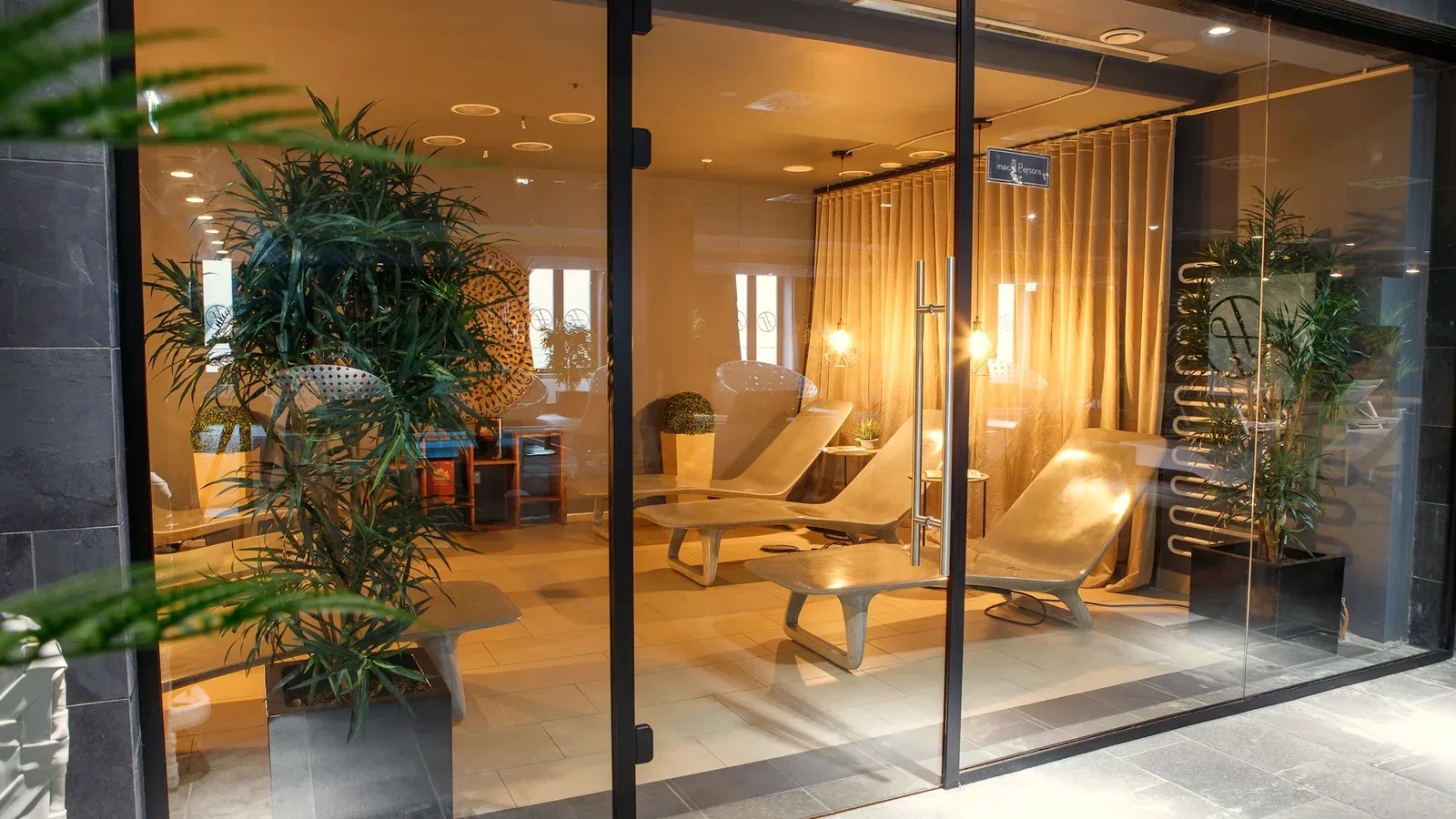
Canyon Ranch Austin: Reservations Open for October Debut
Canyon Ranch has opened reservations for its Austin, Texas resort ahead of an October 2026 launch—the brand's first major full-resort opening in years and its entry into a Texas luxury market where it previously had no footprint. The commission structure is live today. October availability at new Canyon Ranch properties historically tightens faster than public timelines suggest, so advisors who engage now establish credentialed access before the opening media cycle drives general consumer awareness. Texas-based and Southwest clients are the obvious first call, but Austin's cultural identity—food, live music, a design-forward urban scene—will draw coastal and international travelers seeking American wellness with a distinct regional character. This is a first-mover window, not a 'wait and see' situation.
Six Senses Pivots from Biohacking to 'Bioharmonising'
Anna Bjurstam, the executive architect of Six Senses' wellness programming, is publicly reframing the brand's offering away from quantified performance optimization and toward what she calls 'bioharmonising': nervous-system regulation, emotional healing, and community belonging. This is more than a terminology refresh—it changes the optimal client profile. Performance-driven travelers seeking HRV dashboards and IV-drip protocols are no longer the primary audience. The brand's sweet spot is now burnout recovery, perimenopausal health, and clients who are exhausted by the very quantified-self culture they came from. Advisors should revise pre-trip consultation language accordingly: lead with questions about emotional depletion and social disconnection rather than fitness metrics. Group and cohort programming—couples retreats, women's journeys—will likely expand relative to solo optimization tracks as the brand operationalizes this shift.
Evermore Makes Social Health a Credentialed Program Category
Evermore Hospitality has partnered with Harvard-trained social scientist Kasley Killam to formalize a 'relational wellness' program—becoming the first luxury hospitality brand to position social health as a distinct, academically credentialed offering rather than a vague retreat amenity. The commercial implication is immediate: corporate retreat groups, couples, and multigenerational family parties are the target booking units, and the academic affiliation gives advisors a clinical narrative for pitches rather than an amenity list. With the WHO estimating one in six people globally affected by loneliness, the demand-side story is already written. Advisors selling group wellness need a pitch track beyond spa days and meditation sessions; this is the first supplier to offer a genuine credential-backed framework for it. Orlando placement gives it corporate proximity and air-access ease.
APAC Builds Its Longevity Infrastructure: Melbourne and Japan
Two developments signal that the Asia-Pacific region is assembling a credible alternative to European clinical-wellness programs. STILLE, a Melbourne recovery and longevity club, has closed an A$10 million funding round and is targeting a late 2026 opening—introducing social bathing, recovery technology, and health diagnostics under one model in a market without an equivalent. Advisors with Australia itineraries should register interest pre-launch; pre-opening advisor engagement typically yields access and rates unavailable post-opening. Separately, Japan's documented billion-dollar domestic investment in sleep—nap-optimized apparel, corporate sleep medicine, smart circadian infrastructure—is creating cultural permission and physical capacity for inbound sleep-focused wellness itineraries. Advisors can now pitch sleep optimization as a Japan theme distinct from onsen or zen programming, targeting executives and high-stress travelers who already spend on sleep tech at home.
Gen Z Enters Longevity via Aesthetics; Rapalogix Raises $20M on mTOR Science
Two signals from the clinical end of the market point the same direction: longevity medicine is arriving younger and faster than the spa industry planned for. Global Wellness Summit-cited data shows Gen Z's entry into wellness is through injectable medical aesthetics—GLP-1s, Botox, Hydrafacials—not spa or mindfulness. This cohort is reaching programs like Lanserhof, SHA, and Clinique La Prairie earlier than any prior generation; advisors pitching longevity to under-40 clients should lead with aesthetics and metabolic results rather than stress reduction. Meanwhile, Rapalogix has closed a $20 million Series A to commercialize mTOR-pathway skin longevity science—the same biological target as rapamycin protocols. Within 12 to 24 months, mTOR-adjacent treatments are likely to appear on medical-wellness menus, giving advisors a credible 'cutting-edge' answer in client consultations.
Wellness Tourism at $995 Billion: The Number Advisors Need
Global wellness tourism reached $995 billion in 2024, growing at 13.2% annually—a citable, GWI-sourced figure advisors can use in business-case conversations with prospective clients, agency owners, and supplier partners who question the commercial rationale for a dedicated wellness booking practice. The trajectory implies a trillion-dollar market within the current year. The 13.2% compound annual growth rate projects to 2034, providing a defensible multi-year argument for building supplier relationships and investing in wellness specialization now. For advisors making the case to consortia or luxury agencies that wellness commands premium fees and preferred access, this is the statistical anchor the pitch has been missing. Pair it with the Evermore and Six Senses stories above for a sector narrative that is both data-grounded and editorially current.