The Sleepcation Is a Commissionable Category Now
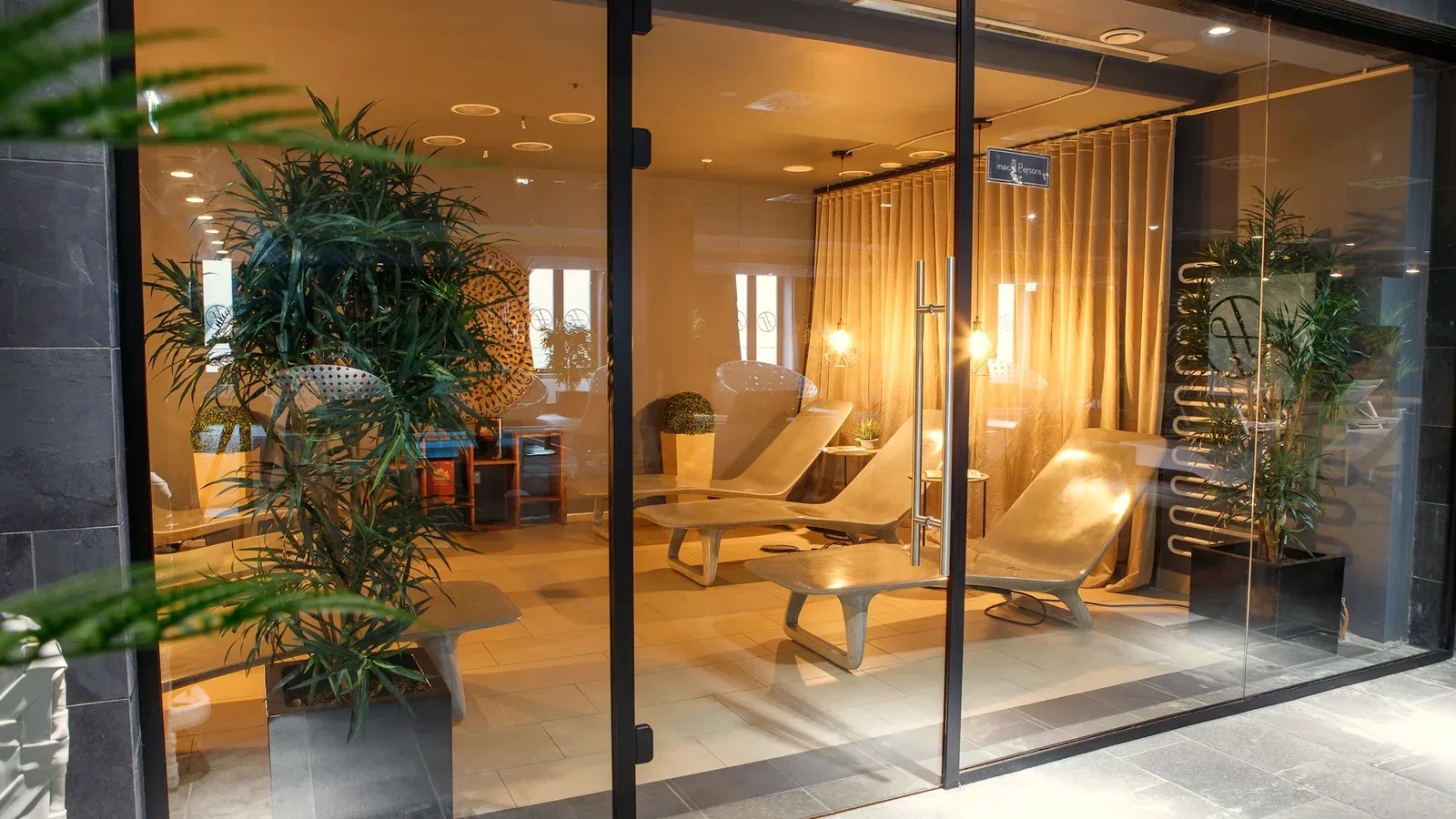
A growing cohort of travelers is booking trips where sleep—not activities—is the stated purpose. Properties are responding with acoustic room engineering, circadian lighting systems, high-specification bedding programs, and dedicated sleep-coaching sessions. The sleepcation is no longer a niche quirk: it is emerging as a distinct, premium wellness category, positioned alongside stress-detox and digital-detox in high-value packages. For advisors, the practical upshot is that sleep programming at Canyon Ranch, Six Senses, and Miraval carries a meaningful wellness-uplift fee and can anchor a booking conversation with clients citing sleep debt, chronic fatigue, or post-burnout recovery as primary motivators—not relaxation in the abstract. Properties with documented protocols—sleep labs, in-room diagnostics, coached follow-up—are the ones worth positioning first. Confirm exactly what each property delivers before adding 'sleep program' to the pitch deck.
GWI Flags Male Loneliness as the Retreat Market's Largest Undersupplied Segment
The Global Wellness Institute has published research identifying a widening male wellness gap: rising loneliness, body dissatisfaction, digital dependency, and the erosion of intergenerational belonging. The prescribed modality is collective somatic movement—rhythm, breathwork, grief rituals—a category the retreat market has largely failed to develop. GWI publications have historically preceded new program categories by 12 to 24 months, making this a forward indicator rather than a current booking opportunity. Corporate executive wellness is the clearest near-term territory: organizations are already sensitized to male mental health, and a curated men's retreat speaks directly to that mandate. Individual clients represent a growing secondary market. Advisors who develop fluency in the modalities now—and identify which operators are piloting men's-specific programs—will be positioned ahead of a segment the industry has left structurally undersupplied relative to the female-skewed retreat baseline.
Khowala's Specificity Test and the Andean Property That Passes It
Aradhana Khowala—advisor to 85-plus governments and architect of Red Sea Global and NEOM projects—has drawn a clear operational line between regenerative washing and the real thing. Advisors selling regenerative itineraries now carry credibility risk when properties cannot meet her specificity test, and clients are catching up faster than most supplier websites are. Sumaq Machu Picchu (62 rooms) is one of the Andean properties that can clear the bar: it sources heirloom potato and amaranth varieties from documented agrobiodiversity programs, integrates Quechua cultural practice into F&B and design, and maintains verified artisan-community partnerships. For advisors building Peru itineraries alongside Inkaterra or Belmond, Sumaq's credentials support a premium, defensible placement. Use Khowala's three-point test as a supplier-vetting checklist before pitching any property as regenerative.
- Named local suppliers with stated percentage-sourcing targets
- Verified hectares of restored land measured against a documented baseline
- Quantifiable community benefit—not a narrative, a number
AI Agents Will Book Wellness Travel. Operators Who Aren't Readable Will Be Missed.
Booking Holdings' stealth AI venture (Lola) and Airbnb's parallel AI lab signal a two-to-three-year horizon at which AI agents will select accommodations on travelers' behalf, bypassing the comparison-storefront model that currently drives discovery. For wellness properties built around complex programming—multi-week longevity protocols, medical-screening requirements, bespoke retreat schedules—the risk is being flattened or missed: an AI agent optimizing on structured data cannot surface program nuance that a trained advisor would translate directly. The implication runs both ways. Advisors who articulate that depth—and help operators encode it in machine-readable formats—gain structural value that is difficult to automate away. Wellness operators should audit how their programs appear in API feeds and structured data now. The operators who solve this first will not be in the category of 'missed by the algorithm' when agent-driven booking becomes mainstream.
Latin America Gets Its First Dedicated Wellness Tourism Summit
The Mexican Hospitality Summit—which drew more than 400 professionals including Virtuoso and Expedia executives—is rebranding as the Latin American Hospitality Summit for 2027 and spinning off a standalone wellness tourism conference. It is the first regionally focused wellness tourism summit for Latin America: a commercial infrastructure moment in a region where supply—Andean retreats, jungle wellness lodges, Mexican destination spas—is growing faster than advisor education resources or organized supplier-advisor connectivity. The standalone wellness conference represents a concentrated FAM and supplier-introduction opportunity for advisors who have been building Latin American itineraries without dedicated trade infrastructure. Watch for 2027 registration announcements and flag the spin-off event as a relationship-building priority. As the summit expands across the full region, it will increasingly function as the Latin American equivalent of the forums that have structured advisor knowledge in European and Southeast Asian wellness markets.