Harvard and a $435M Raise Give Longevity Travel Its Mainstream Moment
Two signals arrived this week that, together, cross a threshold advisors should take seriously. Harvard Health Publishing released its first dedicated longevity report — co-authored by leading geroscientists and aimed explicitly at a mass audience — while NewLimit closed a $435M Series B to bring an epigenetic reprogramming asset into clinical trials by early 2027. The timing is not coincidental: researchers are publishing for public consumption at precisely the moment institutional capital is betting on clinical delivery.
For advisors, the Harvard report is the more immediately commercial event. HNW clients who previously dismissed longevity retreats as fringe will now arrive citing peer-reviewed geroscience. The pitch is ready-made: frame SHA Wellness's 7-Night Longevity & Detox or Clinique La Prairie's Medical Check-Up Week as the accessible entry point, with Lanserhof Tegernsee and Mayrlife as the deeper clinical tier. As NewLimit's asset moves toward Phase I trials, programs at those same properties are best positioned to bridge retreat-based recovery with first-wave therapeutics — brief those suppliers now on client readiness to pay for that bridge.
FDA-Cleared CGM Goes OTC — Retreat Programs That Ignore It Will Fall Behind
Signos has closed a $20M raise backed by Google Ventures, Dexcom, and Blue Cross Blue Shield to commercialize its FDA-cleared, over-the-counter continuous glucose monitor for consumer metabolic health. The BCBS partnership is the key signal: this is no longer a medical device category — it is a wellness consumer product moving toward insurance adjacency.
The practical implication for retreat bookings is direct. Clients will increasingly arrive wearing CGMs and expecting programs to incorporate real-time metabolic data into protocols, not treat the device as a curiosity. Medical-wellness properties that already structure programming around continuous metabolic monitoring — Lanserhof's diagnostic sequencing, SHA's precision nutrition protocols, Mayrlife's gut-and-metabolism work — now have a concrete differentiator advisors can name. This development also validates the 'precision wellness' framing that justifies premium program pricing over standard spa bookings; the data is now FDA-endorsed, not just proprietary.
Gen Z's New Social Ritual Is the Sauna — Properties Without One Have a Product Gap
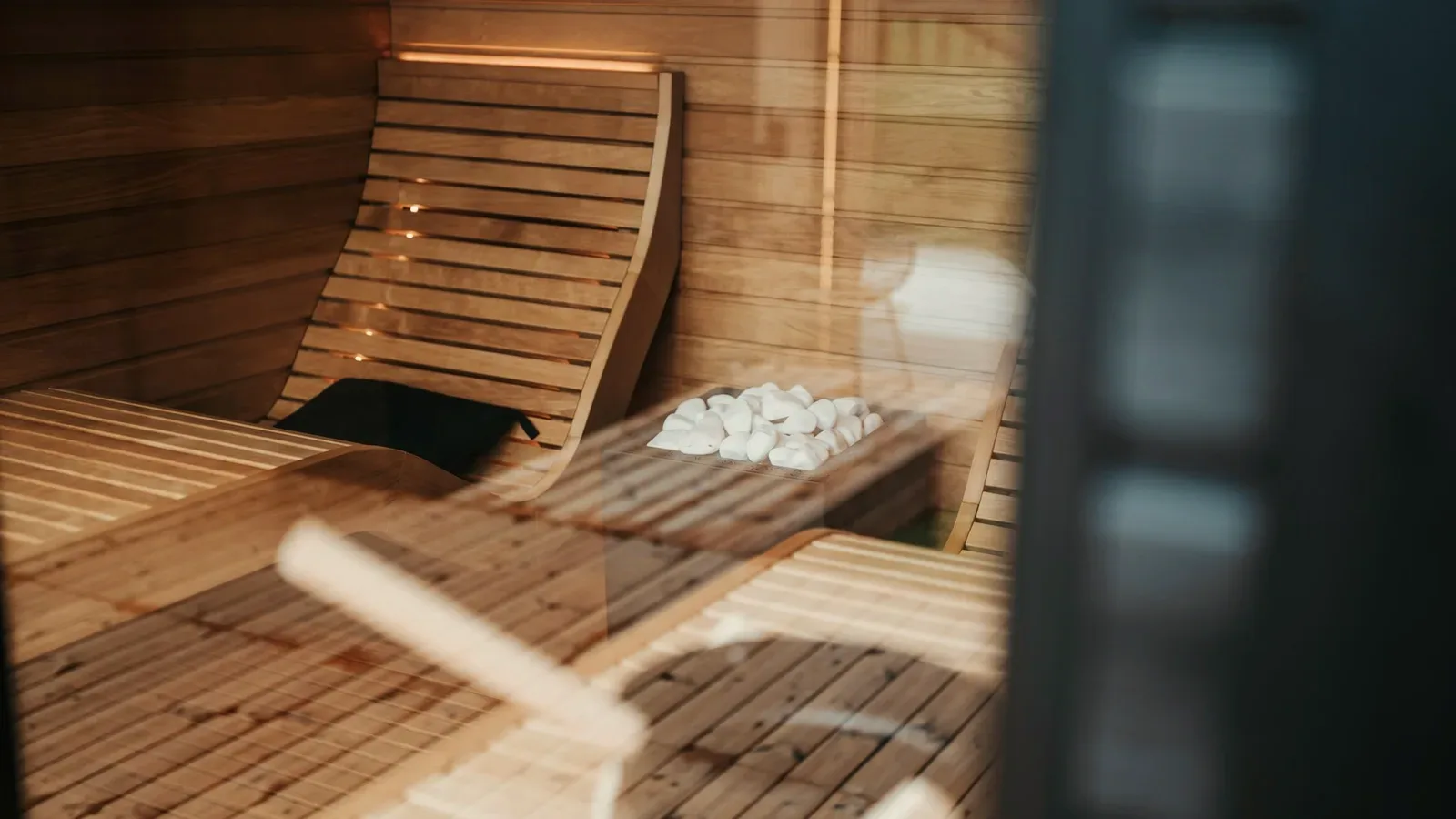
Two converging Global Wellness Summit data points confirm a behavioral shift advisors building younger-affluent itineraries need to act on. Cold and heat contrast therapy has moved from recovery modality to social identity marker among sub-40 affluent travelers, and premium fitness venues are displacing bars for milestone celebrations — birthdays, promotions — among Gen Z specifically. This cohort is not choosing wellness over drinking reluctantly; it is constructing social identity around thermal and recovery rituals.
For property selection, this translates to a concrete filter: COMO Shambhala Estate, Lefay Resort & SPA Lago di Garda, and Kamalaya Koh Samui each offer communal hydrotherapy infrastructure that can anchor a group itinerary, not just individual spa days. Properties with comprehensive treatment menus but no cold-plunge circuit or Finnish sauna face a growing gap with the incoming high-spend millennial and Gen Z traveler — one that a 'coming soon' note in the spa brochure will not close.
Six Senses Kyoto Review Confirms It as Japan's Wellness Anchor — Inquiries Will Follow
A detailed Hotels Above Par editorial on Six Senses Kyoto — 81 rooms, opened 2024, occupying a converted machiya townhouse complex in the Higashiyama district — delivers the specific program details advisors need for client conversations. The sleep protocol is concrete: organic mattresses, temperature-regulating pillows, circadian-aligned room controls, and a pre-sleep ritual drawn from Kyoto apothecary traditions. The spa is drawing wellness-focused guests from outside the hotel, confirming it as a destination spa rather than a hotel amenity. The 'Eat With Six Senses' dining menu rotates with Kyoto's hyper-seasonal market calendar.
Consumer editorial of this depth generates advisor inquiries within days of publication. The commercial architecture is already there: a Kyoto wellness program anchored at Six Senses, layered with Zen temple immersion and ryokan onsen access in the surrounding hills, gives advisors a Japan wellness narrative that competes directly with northern Thailand and Bali alternatives that have dominated the category for a decade.
Institutional Data Settles It: Luxury Holds Rate, Mid-Market Discounts — Stop Apologizing for Premium Pricing
Two independent institutional analyses released this week reach the same conclusion independently. Colliers' 2026 Hospitality Outlook and the NYU International Hospitality Investment Forum recap both find that ultrahigh-net-worth travelers are exhibiting zero price sensitivity, while mid-market demand has become increasingly rate-driven. The divergence is widening.
For wellness advisors, this settles a recurring client conversation. Destination spas and longevity programs serving the UHNW tier will not discount in 2026 — investor capital is flowing into that segment precisely because operators are defending rate integrity. Aman Wellness, Six Senses, Canyon Ranch, and Chiva-Som are backed by capital that is betting on premium positioning over volume. Advisors who frame this proactively — citing the macro data before a client asks — are making an institutional argument rather than a defensive sales pitch, which is a materially different conversation to be having.