72-Hour BA Window and a Live Hyatt Rate Lock — Act on Both Before They Close
British Airways is raising per-ticket cash surcharges on Avios award bookings by 25–33%, effective May 27. A Club World roundtrip LHR–JFK reaches 176,000 Avios plus £499 ($671) in fees — roughly $134 more than today. Coach fares on longer routes take the steepest hit: LHR–Cape Town surcharges jump 33%. BA offered no fuel-cost rationale and published only four illustrative examples, obscuring the full scope. Advisors with clients holding Avios should initiate LHR-originating awards today.
Hyatt's restructured award chart is already live as of May 20, replacing its prior category ceiling with 78 pricing tiers. Category 8 took the hardest hits: Park Hyatt Paris Vendôme's cheapest award night is now 45,000 points; Andaz Tokyo is pricier on 82% of analyzed nights; Cape Town Hyatt Regency averages 59% higher. SVP Laurie Blair confirmed this is a structural preview — mid-tier repricing follows in 2026–2027. Because award prices are now fixed (not dynamic), booking forward dates today locks in current rates before the next round.
Marriott Quietly Rewrote Its Elite Upgrade Guarantee — The 'Best Available Room' Standard Is Gone
A lifetime Titanium member at a UK Delta Hotel was shown third-party bidding prompts — powered by UpsellGuru/UpgradeMyRoom — during online check-in, the exact window when complimentary suite upgrades should surface for qualifying elites. This is documented, not anecdote. Marriott quietly revised Platinum and Titanium upgrade language in 2025: terms now read 'subject to availability upon arrival at hotel discretion,' removing the prior 'best available room' standard. The practical effect mirrors what airlines did with upgrade inventory over the past decade: the contractual entitlement has been replaced with a discretionary courtesy. Corporate programs using Bonvoy status as a retention argument or preferred-property justification should update client briefings accordingly. If upgrade compliance monitoring is part of any TMC reporting agreement, now is the time to reassess whether those commitments can actually be tracked or enforced.
United's Coastliner Brings Full Polaris Suites to Domestic Transcontinental — All Three Network Carriers Now Lie-Flat
United's A321LF program — 40 leased aircraft, internally designated Coastliner — brings Polaris lie-flat suites into the domestic transcontinental market at scale. Each aircraft carries 20 full suites in a 1-1 configuration on Newark–Los Angeles and Newark–San Francisco rotations. This is not a recliner or angled-flat compromise: it is the same door-close suite United sells on transatlantic routes. Delta One and American Flagship Business have operated lie-flat on these corridors for years, but United's entry at scale means all three network carriers now offer equivalent hard product on the highest-yield domestic segments. Corporate programs benchmarking transcontinental premium spend should reassess preferred-carrier logic: upgrade availability, award seat dynamics, and negotiated premium-cabin fare classes will shift as three carriers compete directly for the same road warriors on the same routes.
Dubai Hotels Empty, Government Waives Fees for Second Time; Qatar Staff Get Zero Bonus on $2B Profit
Dubai's hotels are operationally empty. The government's second rescue package in 2026 — Dh1.5 billion ($408M) — this time waives rather than defers the tourism dirham, the 7% municipality fee, and all permit and event cancellation costs, confirming a severe demand shock since February's regional conflict. Waived fees (not deferrals) signal that no near-term recovery is expected. Corporate programs with Dubai volume should open rate renegotiation conversations now; contracted rates set before February no longer reflect market reality.
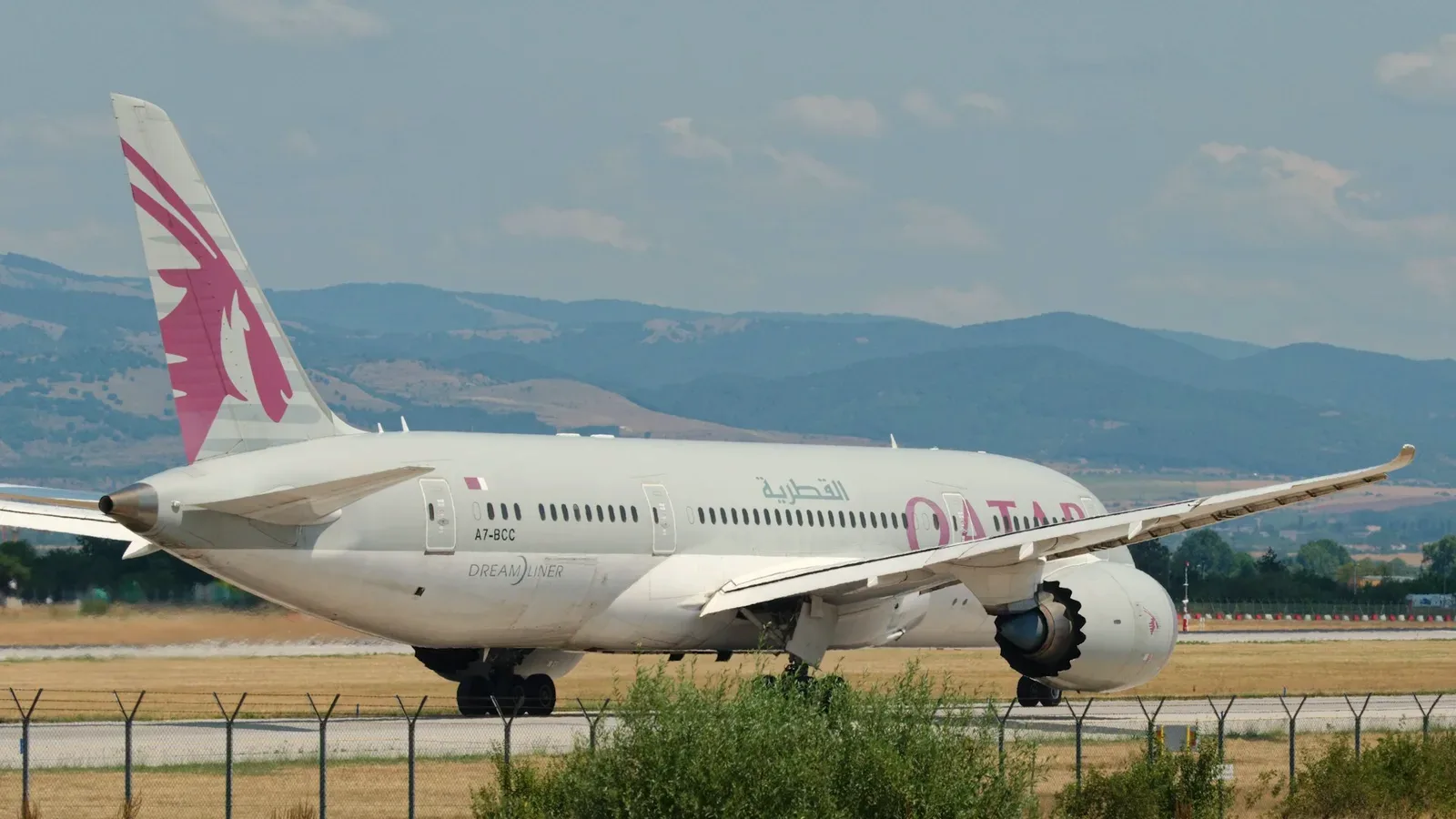
At Qatar Airways, management confirmed via staff memo that no bonuses will be paid despite near-record $2 billion profit, citing forward geopolitical uncertainty. Staff are already earning fewer hours due to route disruptions; Emirates, by contrast, paid 20 weeks of base salary as profit share. The compensation gap between the two Gulf carriers has moved from wide to absolute. Corporate programs with QR on preferred long-haul contracts should build contingency carrier options into their sourcing strategy.
Air India Opens First International Lounge at SFO — Maharaja Lounge Now Live on May 23
Air India's Maharaja Lounge at San Francisco International opened May 23 — the airline's first owned lounge outside India. Located in Terminal A, Level 4 between the China Airlines and Golden Gate lounges, the 3,400-square-foot space holds approximately 80 guests and operates daily from 6 AM to midnight. The layout is tiered: a private zone is reserved exclusively for first class passengers; business class travelers access the main lounge, which includes a bartender-staffed Aviator's Bar and full dining service. For corporate accounts on AI's SFO–Mumbai and SFO–Delhi corridors, this eliminates the previous need to rely on partner lounge access or paid alternatives in what has historically been an underserved section of Terminal A. The space is modest in scale but a meaningful hard-product differentiator as Air India builds its North American premium proposition ahead of continued widebody fleet expansion.
CBP Scales Back Social Media Vetting for VWP Travelers; ATL Joins US Ebola Screening Network
Two duty-of-care developments are moving in opposite directions. On inbound entry requirements: CBP executive director Matt Davies confirmed the agency is scaling back its December 2025 proposal requiring all Visa Waiver Program travelers to submit five years of social media history before entering the US. The revised approach will target 'certain populations' via risk assessment; a new proposed rule is not expected before fall 2026. Advisors managing inbound corporate events or multinational meetings with VWP attendees can deprioritize contingency ESTA compliance workflows for now — but should monitor the fall rulemaking.
On outbound health risk: CDC designated Atlanta Hartsfield–Jackson as a formal Ebola screening point effective May 22, joining Dulles and Houston. The DRC Bundibugyo strain outbreak stands at 82 confirmed cases and 750+ suspected, per Reuters. As Delta's primary Africa hub, ATL handles most East and Central Africa corporate routing. Programs with any DRC-adjacent itineraries should update traveler health briefings and verify medical evacuation coverage.
Airbnb and Expedia Both Enter Car Rental Distribution the Same Day; AI Agents Emerge as Travel's Third Commercial Audience
Two structural shifts in travel distribution converged this week. Airbnb launched boutique hotel inventory and in-app car rental (with a 20% credit on first bookings) on the same day Expedia confirmed a ~$350M acquisition of CarTrawler — the B2B infrastructure powering car rental distribution across hundreds of travel companies. Car rental represents roughly $6 billion in gross bookings at Booking Holdings alone. With both leading OTAs now controlling distribution in this category, corporate preferred-supplier car rental programs face real rate-leakage risk as compliance becomes harder to enforce. TMC car rental program managers should assess CarTrawler contract implications now.
Simultaneously, at Expedia Explore and the Skift Data + AI Summit, a new booking audience crystallized: B2A — business-to-agent. Expedia CMO Jochen Koedijk named AI agents as a distinct commercial tier. TMC operators arguing the same week that AI may eliminate OBTs while amplifying policy-infrastructure value deserve a serious hearing. Audit data and policy API readiness now.
Southwest Launches Denver–Anchorage: First LCC on the Corridor, Fare Compression Expected
Southwest began Denver–Anchorage service on May 15 (WN3094, daily, Boeing 737 MAX 8, ~5h35m block time) through early September — the airline's longest-ever domestic route and the first low-cost carrier entry on the corridor. DEN–ANC has historically been served exclusively by Alaska Airlines and United, with yields reflecting that duopoly. LCC entry — even seasonal — typically benchmarks fares downward as legacy carriers respond defensively on isolated corridors. For advisors with corporate clients in energy, government contracting, or natural resources with Alaska operations, summer 2026 is a window to benchmark current contracted fares against emerging market rates and build a renegotiation case for fall renewals. If Southwest renews service for 2027, the competitive dynamic becomes structural rather than opportunistic.